2026.10.08
Content
For resort investors and campground operators, the choice between space capsule homes and traditional glamping tents usually comes down to three numbers: ROI, lifespan, and all-weather durability. These metrics define how much an asset earns, how long it lasts, and how well it survives the elements.
A space capsule home is a prefabricated, insulated unit that arrives close to move-in ready. A traditional glamping tent is a fabric structure that creates a memorable outdoor experience but needs more maintenance and replacement. Understanding the trade-offs between the two prevents a low initial price from becoming a high lifetime cost.
For a practical introduction to this category, see how space capsule houses differ from traditional structures.
The hospitality market is moving away from shelters that can only operate in mild weather. Guests expect a clean, warm, private space regardless of the forecast. A tent can satisfy that expectation on a calm summer night, but a capsule home can meet it throughout the year.
In most cases, the more extreme your local climate, the faster a space capsule home pays back its higher initial price.
For campsite owners, this comparison matters because it changes the entire business model. With a tent, revenue is limited to the warm season. With a capsule home, booking windows expand, pricing power increases, and the asset can remain in service while tents are packed away.
A traditional glamping tent has a lower entry price. A quality canvas tent with flooring and basic furniture can cost between $2,000 and $8,000, while a fully equipped dome or safari tent can reach $15,000 to $25,000. A space capsule home starts with a higher sticker price, but the number includes the frame, insulation, glazing, electrical system, and often a bathroom. The nightly rate and the number of bookable nights usually reflect that difference.
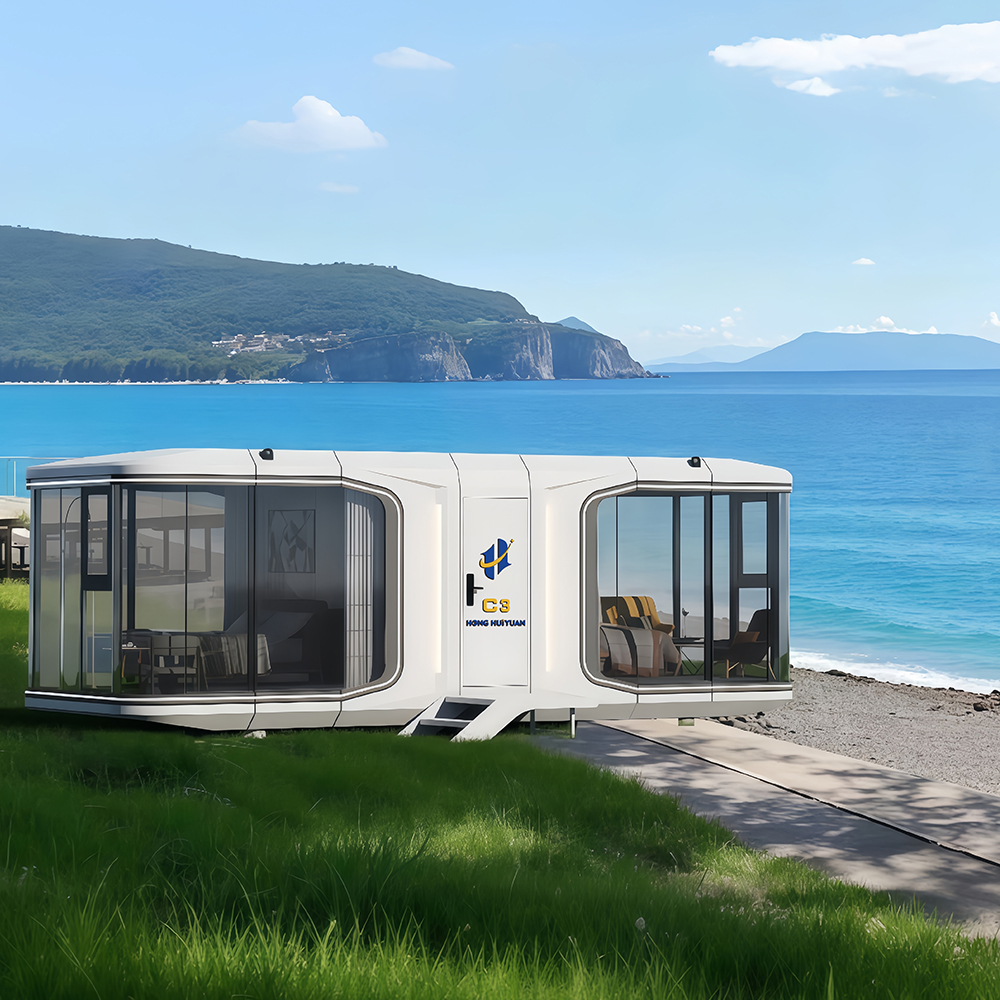 C3 Mobile Luxury Nature Camping Pod with Panoramic GlazingThis 28-square-meter capsule with two bedrooms and a bathroom offers a sturdy hot-dip galvanized steel frame and 270-degree windows, blending scenic openness with manufactured durability for nature-focused glamping operators.View Product →
Operators who want a scenic, nature-oriented look can begin with models such as the C3 mobile luxury nature camping pod, which keeps the visual openness of outdoor lodgings while adding the structural strength of a manufactured shell. The following ROI factors are worth including in any financial model:
A conventional glamping tent usually lasts five to ten years. Ultraviolet light degrades fabric, seams weaken after repeated storms, and zippers or pole joints fail with constant use. A space capsule home is built with steel or aluminum framing, weatherproof composite panels, and sealed thermal layers, giving it a realistic lifespan of 25 to 50 years when properly maintained.
Lifecycle cost is more important than purchase price. A cheap tent that needs frequent replacement can end up costing more over the asset's life than a sturdy capsule home. The table below compares typical profiles for a mid-range tent and a mid-range space capsule home.
| Factor | Space Capsule Home | Traditional Glamping Tent |
|---|---|---|
| Typical lifespan | 25 to 50 years | 5 to 10 years |
| Initial investment | Higher | Lower |
| Annual maintenance need | Low | Moderate to high |
| Usable season | All four seasons | Warm-season only |
| Replacement cycle | Decades | Every few years |
| Guest comfort level | Hotel-like | Rustic |
Weather is the strongest argument for a capsule home. A tent can tear in high wind, sag under rain, and become unusable during snow. A capsule home's rigid shell and sealed envelope protect guests and equipment in conditions that force tents offline.
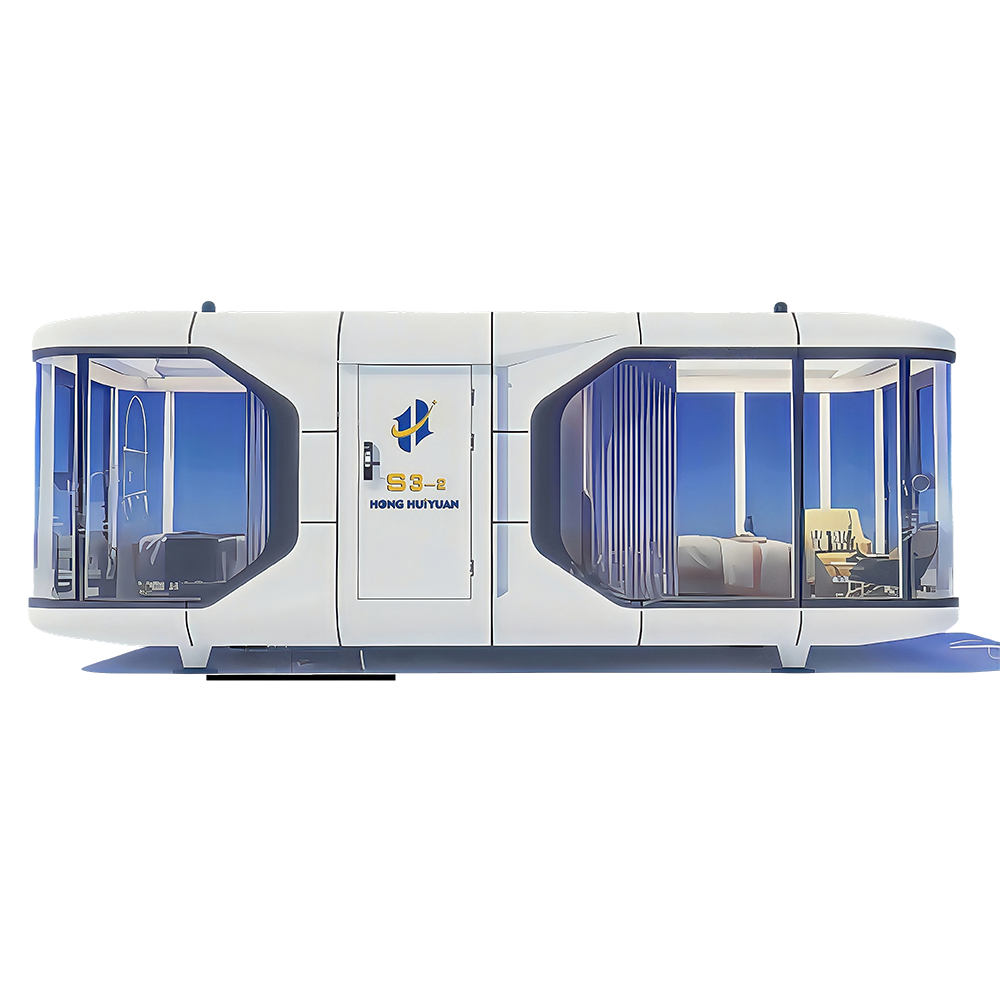
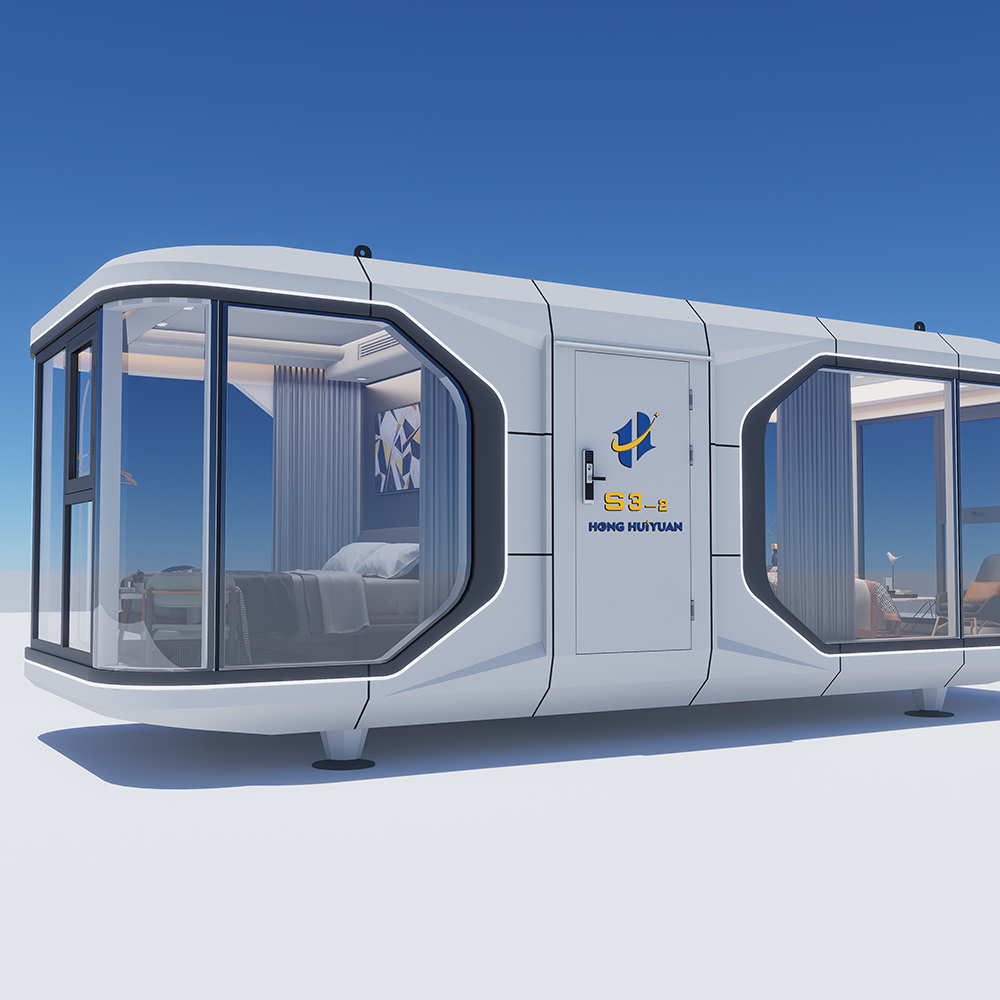 S3-2 Panoramic Modular Capsule Home with 270-Degree ViewsFeaturing a corrosion-resistant aluminum shell, insulated glazing, and intelligent voice control, this two-bedroom unit keeps guests weather-proof while preserving wide landscape views, making it a reliable alternative to tents.View Product →
Panoramic models such as the S32 panoramic modular capsule home add large glazing while retaining a fully insulated shell, so guests still feel connected to the landscape without losing weather protection.
Rigid frames and permanent anchor points allow capsule homes to handle strong winds more predictably than fabric structures. The sealed building envelope reduces the chance of rain being driven through seams, zips, or ventilation panels.
Closed-cell insulation and sealed glazing create a stable indoor temperature. A capsule home buffers outside heat in summer and retains warmth in winter, lowering the energy cost of keeping the unit comfortable.
Canvas absorbs moisture and can develop mildew if not dried regularly. Capsule shells are non-porous, easy to clean, and less vulnerable to humidity. For coastal projects, operators should select corrosion-resistant frames and cladding that can handle salt spray.
In demanding climates, manufacturers such as Zhejiang Honghuiyuan offer an Extreme Climate Habitats series designed with reinforced walls and upgraded insulation for sites that go beyond standard weather loads.
Online reviews determine occupancy more than any marketing effort. A capsule home gives guests a private bathroom, heating, cooling, blackout blinds, and stable Wi-Fi. These features generate better ratings than a tent with shared facilities. Better ratings increase search visibility and justify higher nightly rates.
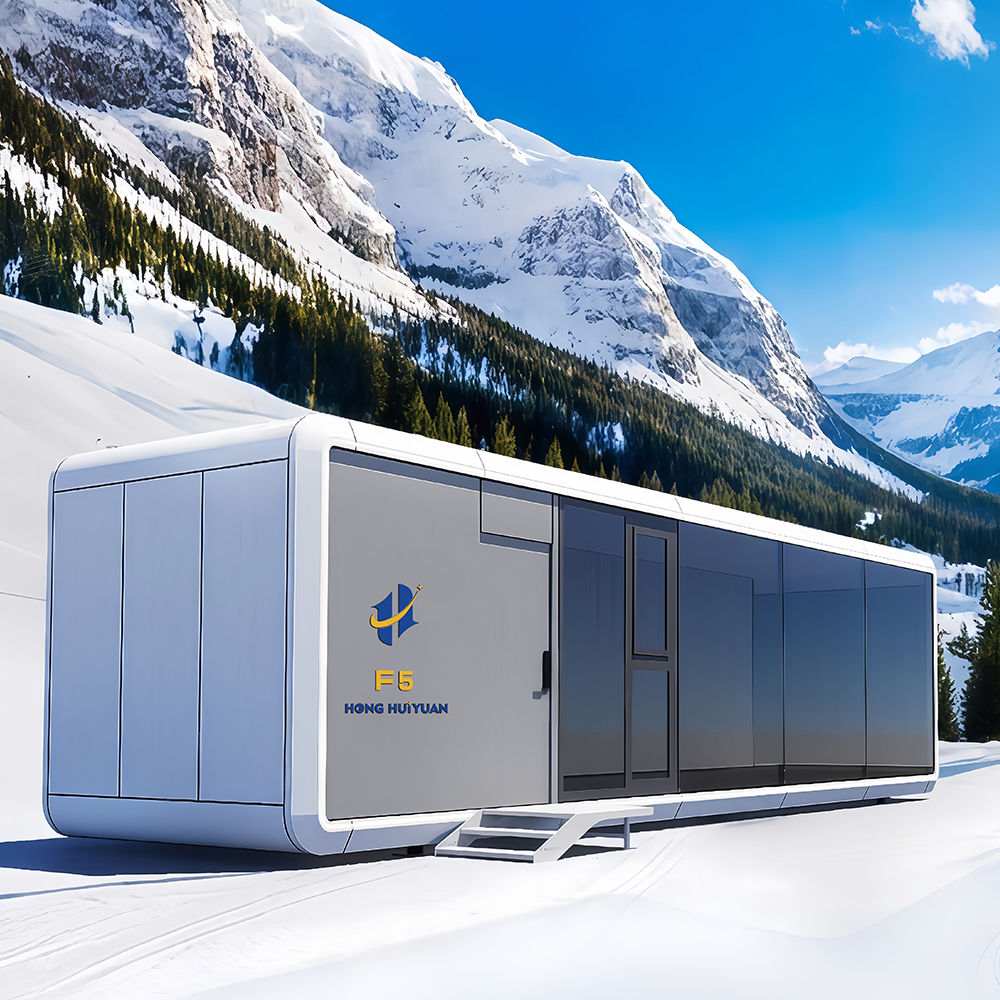 F5 Smart Resort Apple Pod Home with Intelligent ControlsThis 38-square-meter apple-shaped pod includes app-based lighting, climate, and security systems, plus a full bathroom and kitchen. Its smart features enhance guest comfort and streamline post-check-in operations for resort staff.View Product →
Smart models such as the F5 smart resort apple pod home add app-controlled lighting, climate settings, and security systems. These features create a modern hospitality experience and reduce the need for staff to check each unit again after check-in. Guests remember a comfortable bed and warm bathroom far more than the novelty of sleeping in a tent.
Maintenance costs matter over the life of a rental unit. Tents require re-waterproofing, seam sealing, zipper replacement, and frequent drying after rain. Capsule homes need less attention: cleaning, seal checks, and small repairs to doors, windows, and fixtures. The greater installation challenge is the foundation and access.
Check load-bearing capacity, access roads, and local zoning before ordering. A capsule home may require a concrete pad, deck, or steel foundation, plus a crane or truck with a lifting system. A tent can be set up on a flat surface in hours.
Keep air vents clear, inspect roof edges after storms, and rebed exterior sealant when it ages. For tents, plan to remove and dry the fabric at the end of each wet period to avoid mildew.
If your site is temporary, your budget is extremely tight, and you only operate during the warm season, a tent can still work. If you are building a permanent resort, targeting shoulder-season travel, or hoping to lift nightly rates, a space capsule home is usually the better investment. The decision also depends on your supplier. A manufacturer that offers project planning, custom design, and installation support reduces the risk of turning a good concept into a working asset.
Before finalizing your plan, browse our full range of modular housing solutions to compare capsule home types, apple cabin products, and resort pod options.
Capsule homes and glamping tents can both create memorable outdoor stays, but they are different kinds of investments. A tent is a short-lived structure with lower upfront costs. A capsule home is a durable, all-weather asset that improves margin, extends the booking calendar, and supports a stronger guest experience.
Measure ROI over the full lifecycle, not the first season. The longer the horizon, the greater the advantage of a space capsule home.
Space capsule homes generally cost more upfront than tents, but the exact gap depends on size, finishes, and equipment. The higher cost is offset by higher nightly rates and a longer lifespan.
With proper maintenance, a modular capsule home manufactured with steel or aluminum framing and composite panels can last 25 to 50 years. Fabric tents typically last 5 to 10 years.
Yes, when engineered for that purpose. Rigid shells, anchored foundations, and sealed roofs help capsule homes carry wind and snow loads better than tents. Confirm local climate specifications with your manufacturer.
Depending on the location, they may be categorized as temporary accommodation, prefabricated buildings, or permanent structures. Check local zoning rules before ordering.
Yes. Many models are designed for solar power, battery storage, or hybrid energy systems. Off-grid resorts can use capsule homes with water tanks and waste treatment packages.

 Contact Us
+86-137 5820 5685
+86-571 8550 0659
 Send An E-mail
Building 4, No. 2, Shuyun Road, Yuhang District, Hangzhou City, Zhejiang Province, China
 Mobile

 English
 Español
 عربى
عربى