2026.03.12
Content
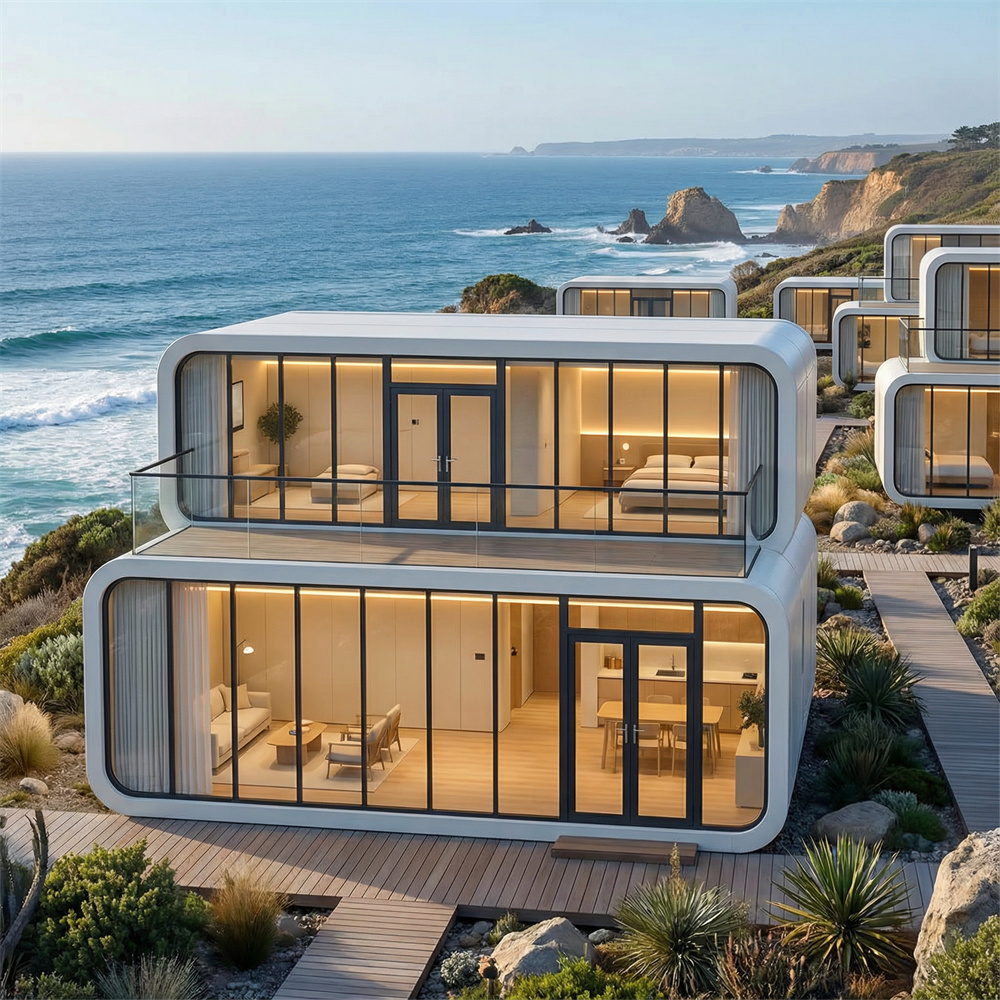
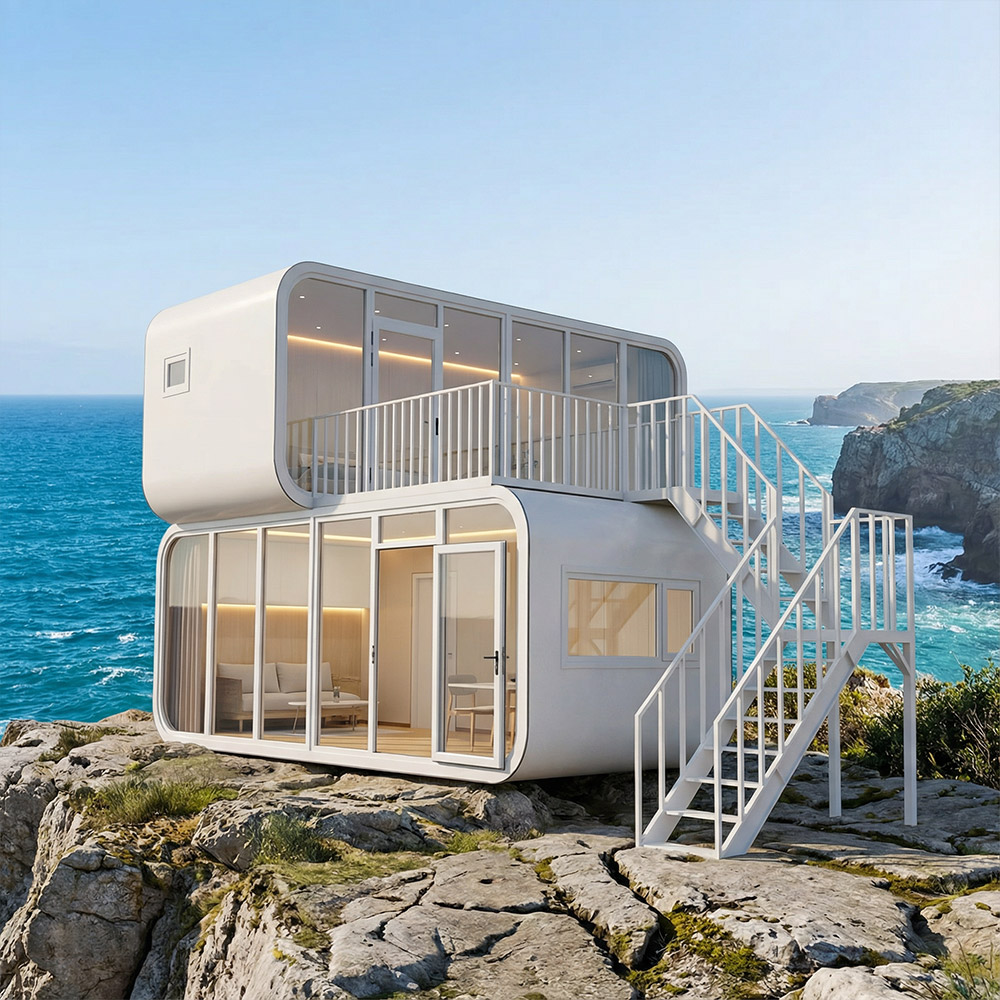
A space capsule house differs from a traditional tiny house primarily in its futuristic pod-shaped design, smart technology integration, prefabricated construction, and modular mobility — whereas a traditional tiny house typically mimics a scaled-down conventional home with standard framing, fixed placement, and minimal tech features. If you're choosing between the two, understanding these distinctions will directly impact your budget, lifestyle, and long-term flexibility.
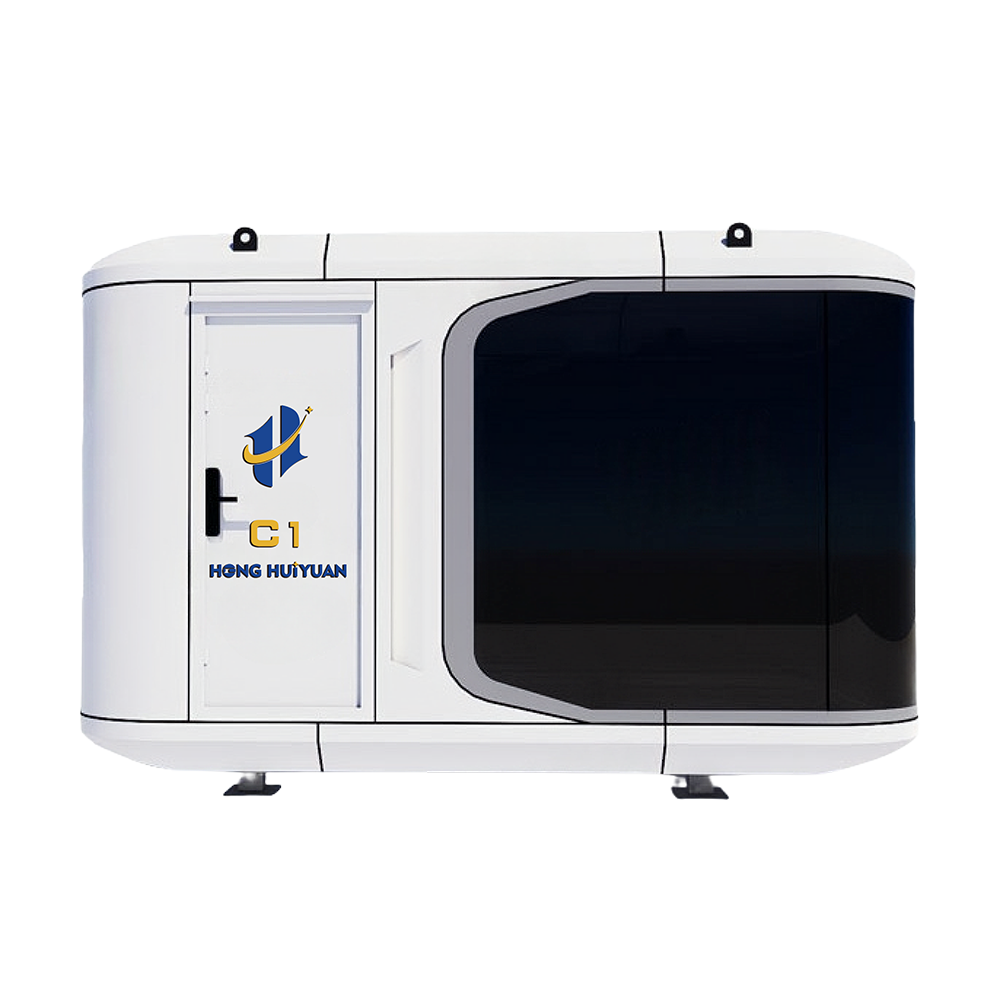
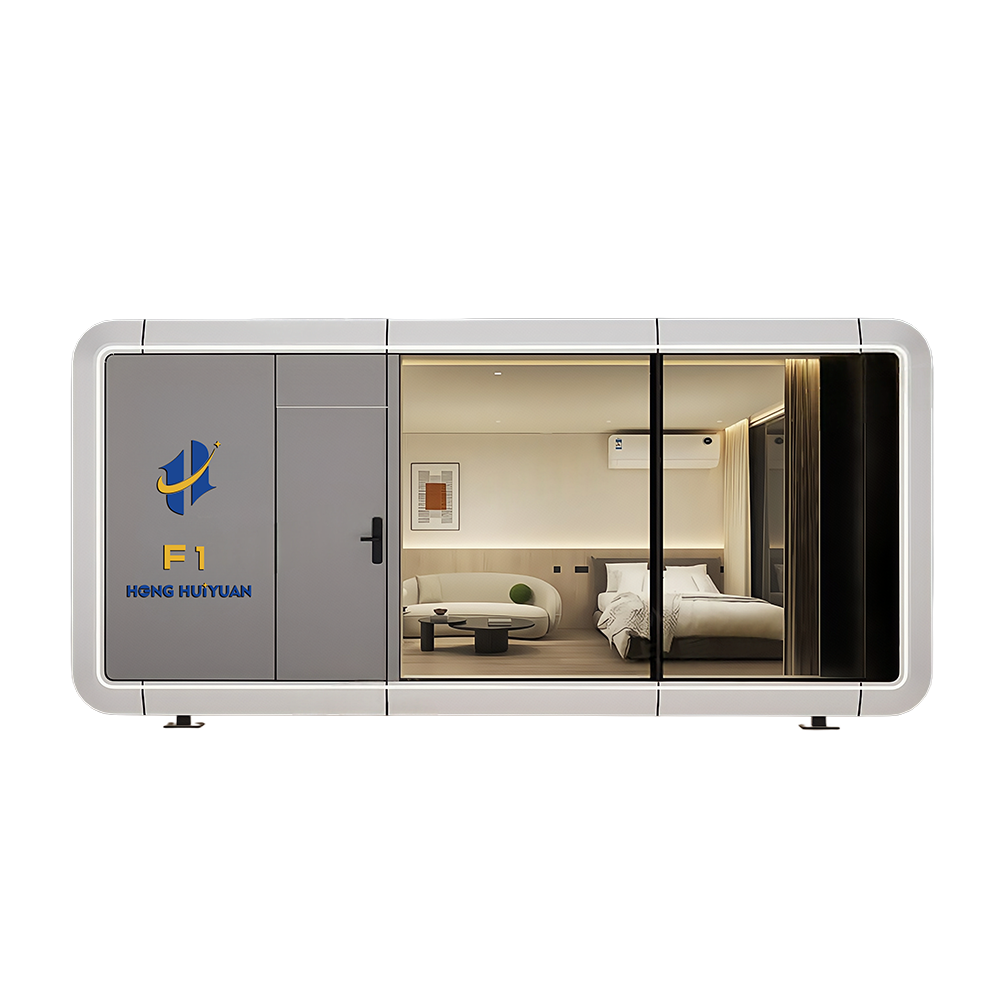
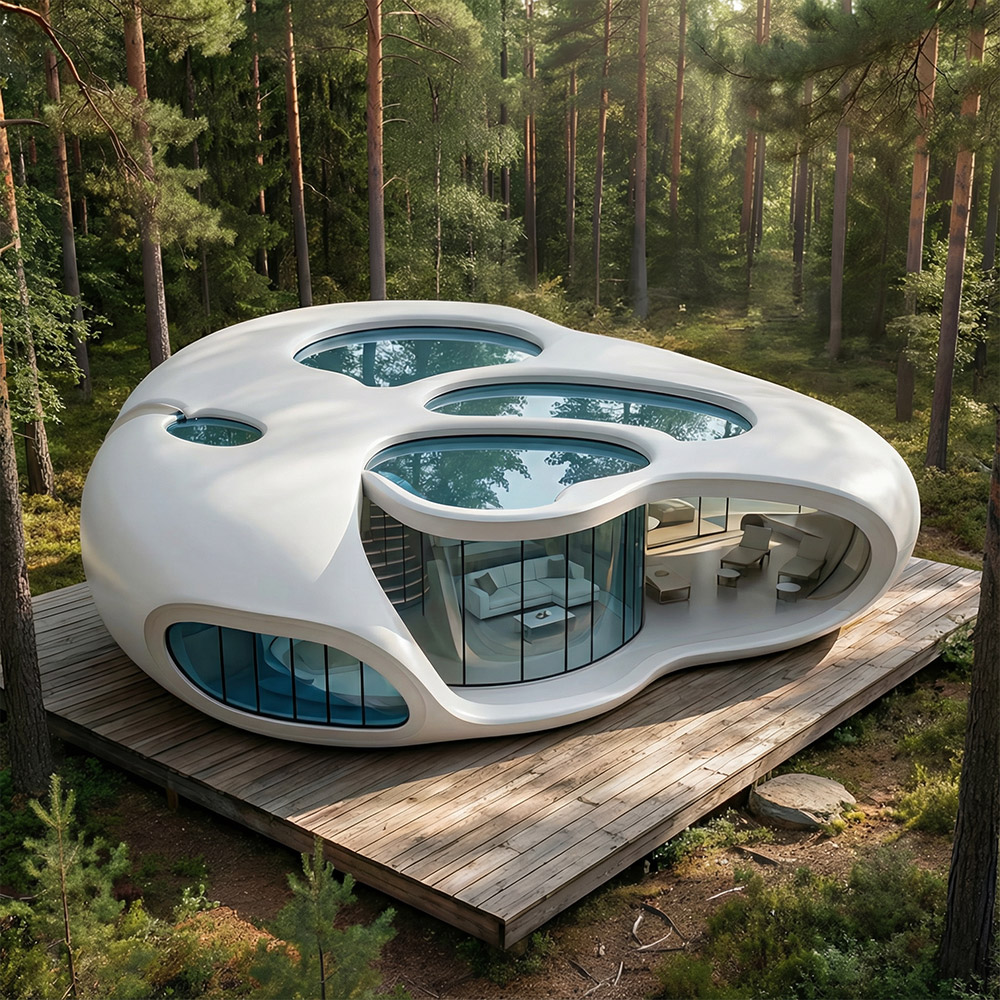
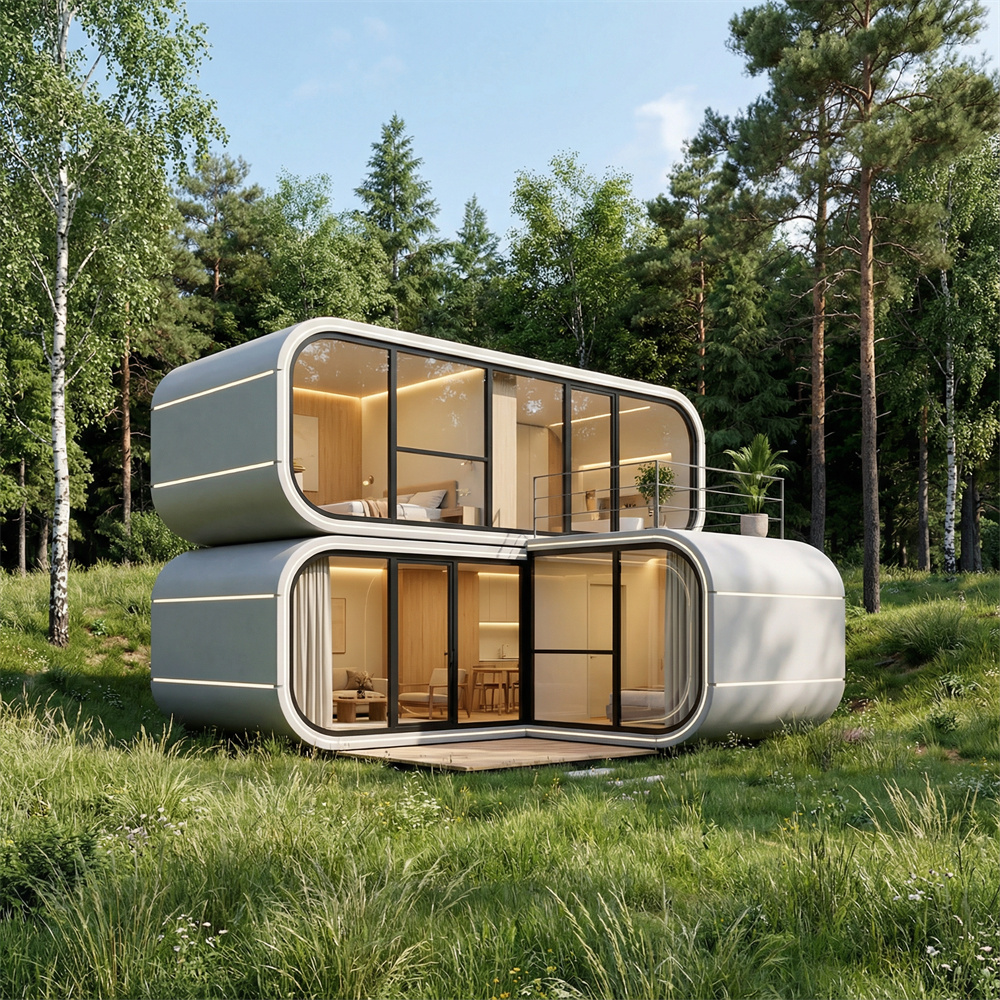
The most immediate difference is visual and structural. A space capsule house adopts an aerodynamic, egg-shaped or cylindrical form — engineered for efficiency, not nostalgia. Traditional tiny houses, by contrast, follow a miniaturized residential aesthetic: pitched roofs, wood siding, framed windows, and a familiar "home" silhouette.
The design intent is different at the core: capsule homes are engineered from the inside out; tiny houses are adapted from conventional architecture downward.
Space capsule houses are factory-prefabricated as complete units — the shell, insulation, interior finishes, and mechanical systems are assembled in a controlled environment, then shipped to site. This results in tighter tolerances, fewer on-site errors, and faster installation (often under 1–2 days).
Traditional tiny houses may be:
This means traditional tiny house quality varies enormously depending on the builder. A well-constructed tiny house may take 3–6 months to build, while a capsule unit can be delivered and operational within weeks of ordering.
| Feature | Space Capsule House | Traditional Tiny House |
| Primary Shell Material | Fiberglass / Steel / Composite | Wood / Metal Framing |
| Insulation Type | Spray foam / Integrated panel | Batt / Rigid board |
| Build Location | Factory | Site or Workshop |
| Build Time | Weeks | 3–6 Months |
| Weather Resistance | High (sealed shell) | Moderate (varies by builder) |
This is where the gap between the two becomes most significant. Space capsule houses are typically built with integrated smart home systems as standard — not as add-ons. This includes:
Traditional tiny houses can incorporate smart technology, but it is rarely native to the design — it requires retrofitting at additional cost. A basic smart upgrade package for a tiny house can add $3,000–$8,000 to the total build cost, and compatibility is not always guaranteed given the non-standardized construction.
In terms of energy performance, capsule homes often achieve better thermal efficiency due to their lower surface-area-to-volume ratio and factory-sealed insulation, reducing heating and cooling loads compared to equivalently sized traditional tiny houses.
Both housing types offer more mobility than conventional homes, but they approach it differently.
Most capsule homes are designed to be craned or trucked into position as finished units. Some models are stackable or cluster-connectable, making them suitable for boutique resorts, glamping parks, and off-grid retreats. Their compact footprint (commonly 15–25 m²) allows placement on uneven terrain or elevated platforms with minimal site preparation.
Tiny houses on wheels (THOWs) are legally classified as recreational vehicles in many jurisdictions, allowing road travel. However, road movement requires trailer compliance, permits, and in many cases, towing vehicles capable of handling 5,000–15,000 lbs. Site-built tiny houses, on the other hand, are essentially permanent once installed.
For those prioritizing repeated relocation, capsule homes offer a more practical engineered solution. For those wanting to park once and stay, a THOW or site-built tiny house may offer more interior customization at a lower price point.
Price ranges vary widely depending on region, features, and specifications, but general benchmarks help frame the decision:
| Cost Factor | Space Capsule House | Traditional Tiny House |
| Entry-Level Price | $25,000 – $45,000 | $20,000 – $40,000 |
| Mid-Range Price | $50,000 – $90,000 | $45,000 – $80,000 |
| Premium / Custom | $100,000+ | $80,000 – $150,000+ |
| Maintenance Cost (Annual) | Low (fewer joints, sealed shell) | Moderate (wood, weather exposure) |
| Resale / Rental Value | Strong in hospitality/tourism | Variable, community-dependent |
While upfront costs are broadly comparable, capsule homes tend to offer stronger ROI in commercial hospitality applications (glamping, eco-resorts, short-term rental platforms), where their aesthetic novelty commands premium nightly rates of $150–$400+ per night in many markets.
Legal classification is a practical concern that often catches buyers off guard. Traditional tiny houses occupy an ambiguous middle ground in most zoning codes — they may be classified as accessory dwelling units (ADUs), recreational vehicles, or non-conforming structures depending on local ordinances.
Space capsule houses face similar zoning challenges, but their factory-built nature can make permitting more straightforward in regions that recognize modular or prefabricated dwelling codes. In many countries, factory-built units can be pre-certified to national building standards, reducing the on-site inspection burden.
Key considerations for both types:
Ultimately, the right choice depends on how you intend to live in or use the structure.
Yes. Most models are engineered with high-performance insulation and climate control systems rated for extreme temperatures, making them viable as full-time residences in a wide range of climates.
Yes. They typically support standard water, sewer, and electrical connections, and many are also compatible with off-grid solar and rainwater systems.
Both can be difficult to finance through traditional mortgages due to size and classification. Personal loans, RV loans (for THOWs), or manufacturer financing tend to be the most accessible options for both types.
A well-built capsule house using fiberglass or steel composite can last 30–50+ years with minimal maintenance. A high-quality traditional tiny house has a comparable lifespan, though wood-framed models require more active upkeep to prevent moisture damage.
Most manufacturers offer configurable interior layouts and finish options at the time of order, though post-delivery customization is more limited than with traditionally framed tiny houses due to the integrated shell design.
Space capsule houses used in short-term rental or hospitality contexts tend to hold or increase in value due to strong market demand. Traditional tiny houses have more variable resale value tied to local community acceptance and condition.

 Contact Us
+86-137 5820 5685
+86-571 8550 0659
 Send An E-mail
Building 4, No. 2, Shuyun Road, Yuhang District, Hangzhou City, Zhejiang Province, China
 Mobile

 English
 Español
 عربى
عربى