2026.10.12
Content
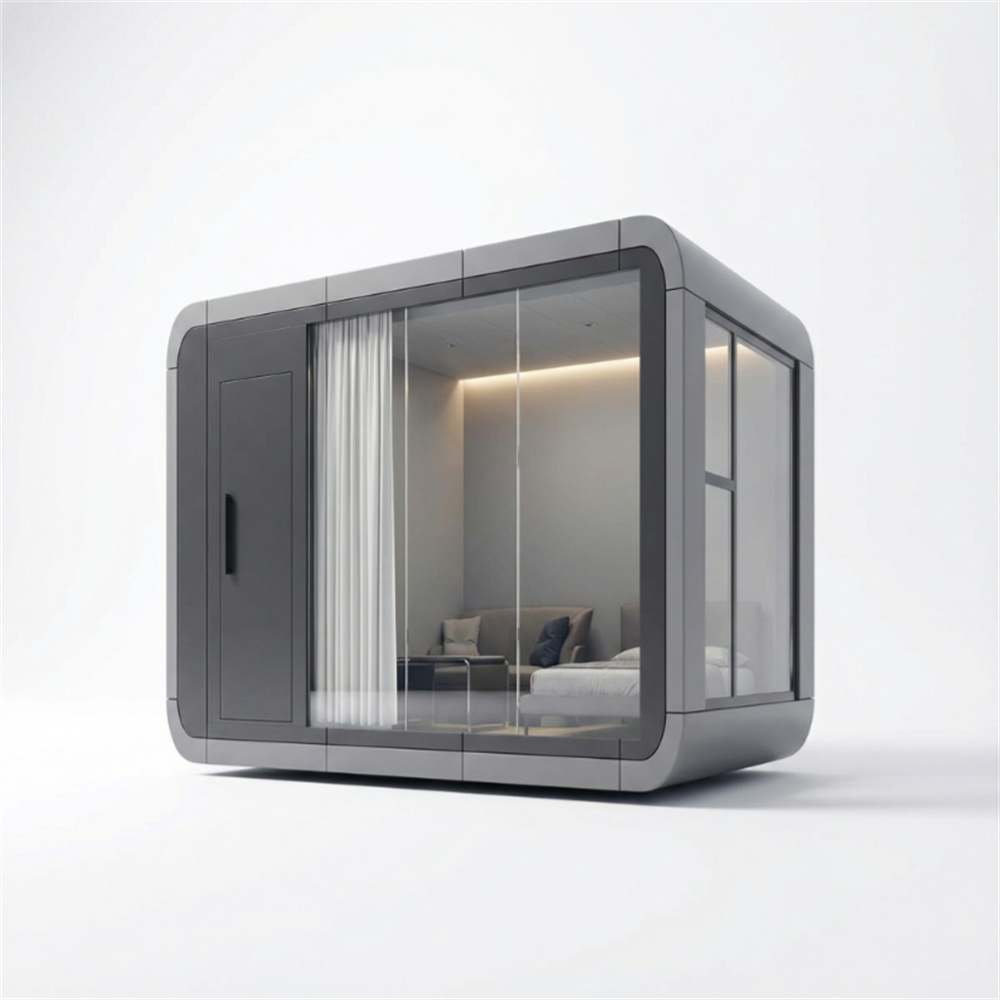
Mobile glamping capsules have become a favored solution for building high-end accommodation in mountain scenery. Their prefabricated modular design means they can be transported to remote hillsides and readied for guests in days. Yet the same lightweight construction that makes them portable also makes them sensitive to the forces found on uneven terrain.
Anchoring a mobile capsule on a steep slope is an engineering exercise, not a simple installation task. Gravity pulls the structure downhill, wind lifts against its curved shell, and water erodes the ground beneath it. This guide explains the proven anchoring methods, the site conditions that determine which one to choose, and the step-by-step process that keeps a capsule stable and level for years. For a broader look at how these units are designed and built, see this overview of space capsule homes and modular living trends.
A slope changes the way every force interacts with the structure. The following factors must be addressed in any anchoring design:
These conditions mean the anchoring plan must be designed for the specific site, not copied from a flat-ground project. Resort operators also need to follow local building rules, since many mountain regions require an engineer's review before overnight structures can be installed.
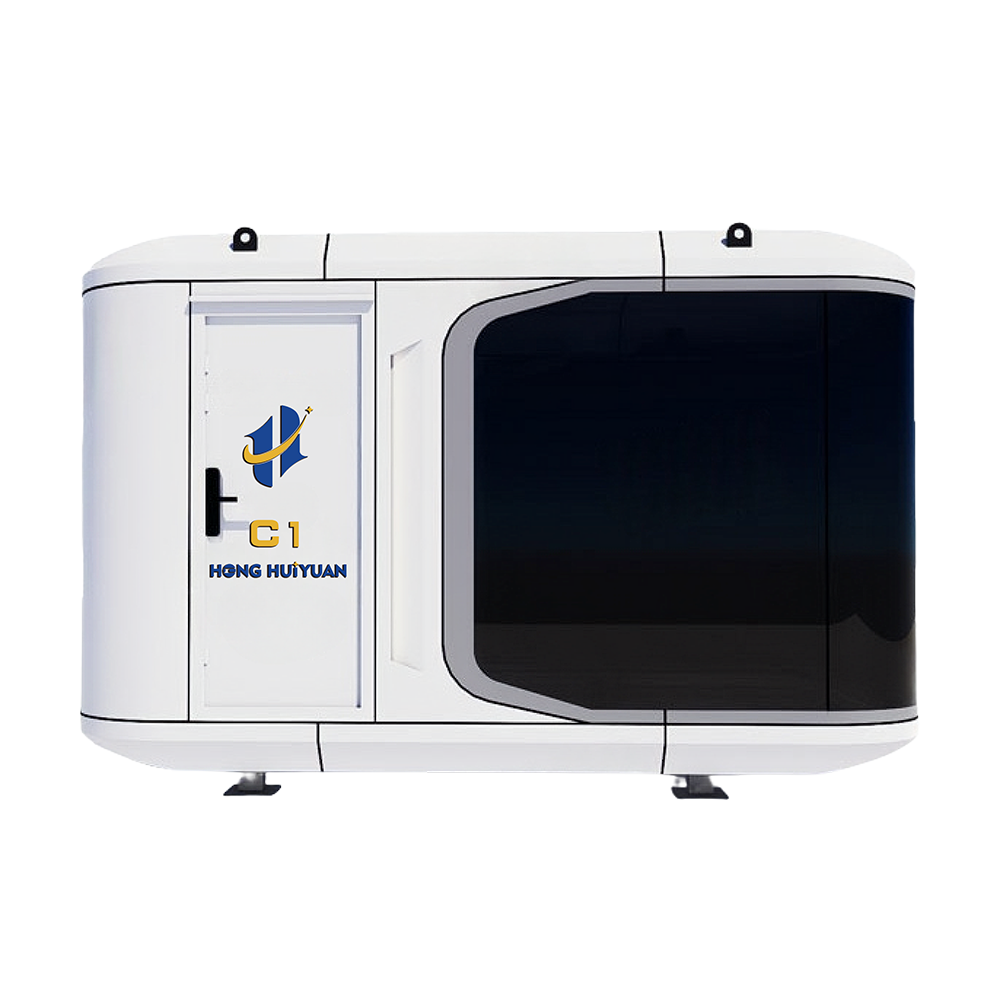
For landscape-integrated resort projects, the 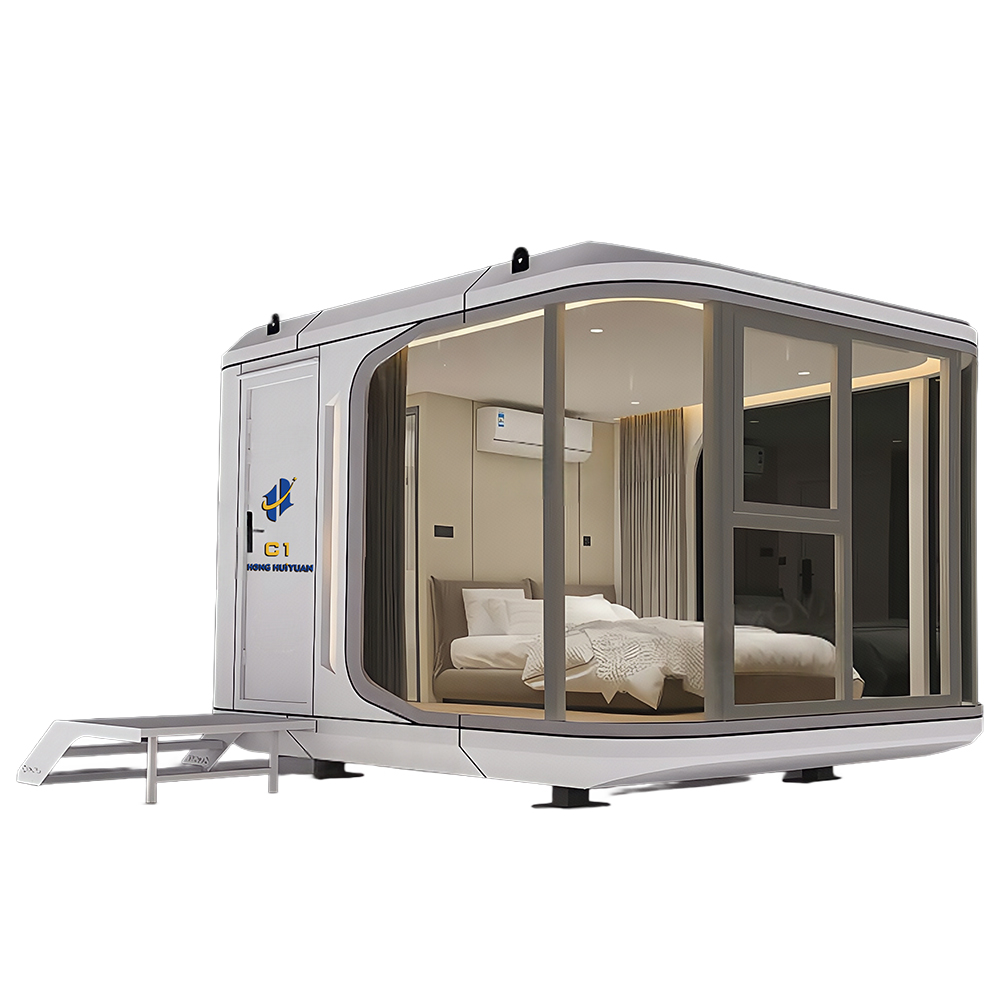 C1 Modular Landscape Camping Pod for Compact Sloped SitesThis compact capsule house suits landscape-integrated resorts where footprint matters. Its steel frame and insulating panels support stable anchoring, making it a practical choice before evaluating site conditions.View Product → offers a compact footprint that simplifies placement on sloped sites.
Every anchoring method starts with the same essential step: understanding the site. A complete assessment prevents failed anchors, rework, and safety risks later in the project.
The output of this assessment will tell you which anchoring method is feasible and how deep the anchors need to go.
There are four proven approaches for anchoring capsules on steep or mountainous ground. The best choice depends on the slope angle, soil conditions, and whether the capsule will stay permanently or be relocated.
Ground screws are auger-shaped steel piles rotated into the soil with a motorized torque head. Their main advantage on slopes is adaptability: each screw can be set to a different depth, so the mounting heads create a level plane even when the ground is angled by 15 to 20 degrees. Installation is fast, requires no concrete curing, and leaves the terrain nearly undisturbed. Ground screws perform best in compacted soil with enough friction to hold the helical plates.
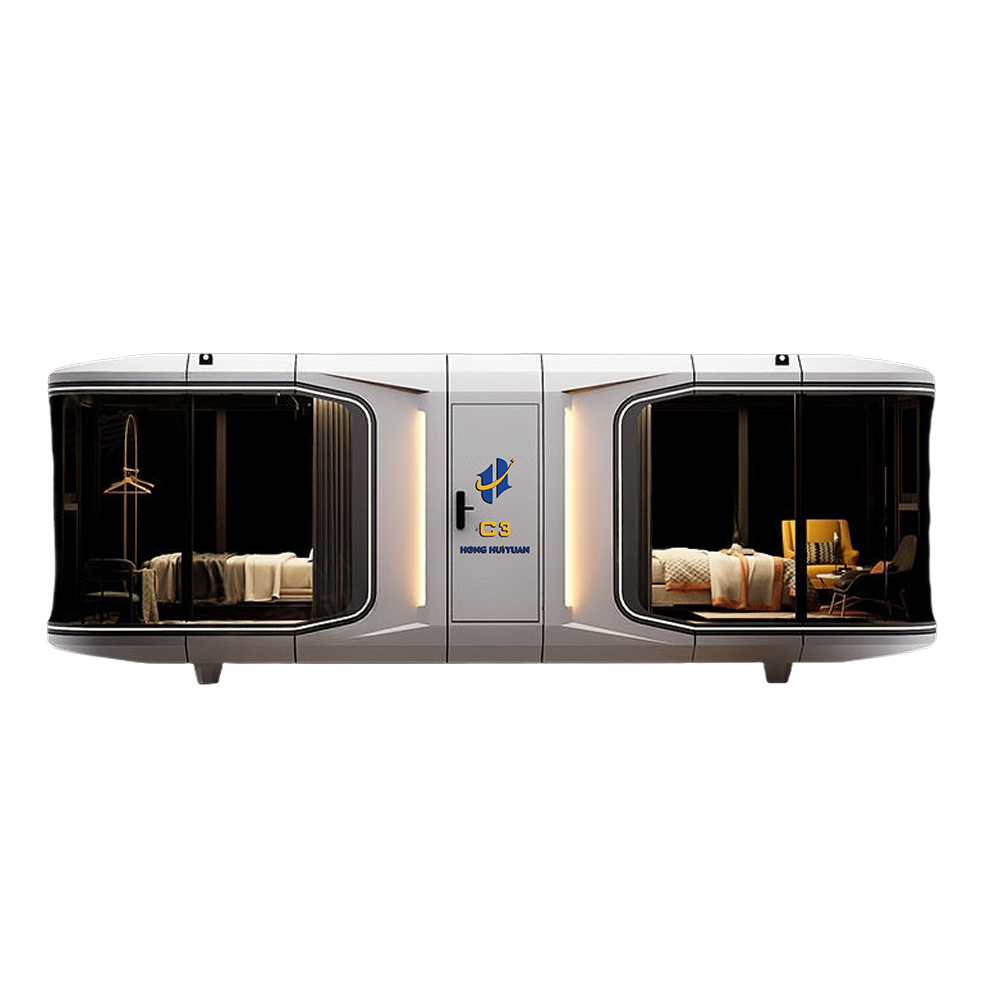
For a unit that may move between seasonal sites, the 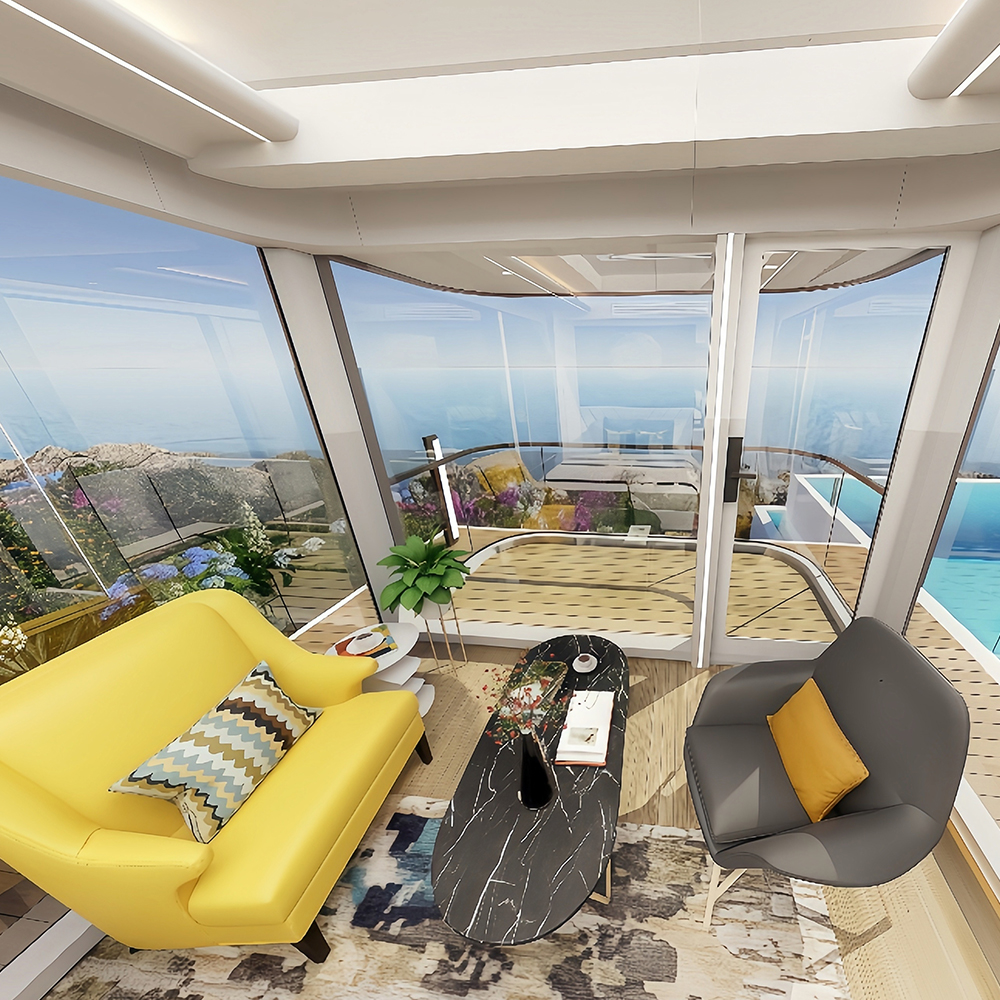 S5 Portable Scenic Capsule Home with Quick-Release FrameIdeal for seasonal relocation, this unit's engineered frame simplifies screw-type anchoring and leveling. Its long-lasting galvanized steel structure pairs well with removable foundation systems.View Product → is a good match for screw-type foundations because its frame is engineered for quick leveling and detachment.
Concrete piers are the most permanent solution. They extend below the frost line and transfer the capsule weight to stable soil or bedrock. A grade beam connects the piers and distributes the load across the full footprint. This method is recommended for very steep slopes, loose topsoil, and areas where local regulations require a permanent foundation. The trade-off is cost and time: excavation, formwork, pouring, and curing can take one to two weeks.
Where excavation is not practical, an elevated steel platform creates a level base that follows the contour of the hillside with adjustable legs. The platform spreads the capsule load across a wide footprint and preserves the natural slope beneath it. Water and air can flow underneath, which reduces erosion and moisture buildup. This system also keeps the capsule fully demountable for relocation.
On exposed ridgelines, anchor capacity alone may be insufficient for extreme wind events. Hybrid systems add galvanized cable guy lines secured to secondary ground anchors on the uphill side, or ballast blocks placed on the internal floor at low level. These measures increase the safety margin without permanent site alteration.
| Method | Best For | Load Capacity | Install Time |
|---|---|---|---|
| Ground Screws | Compacted slopes, relocateable units | High | 1-2 days |
| Concrete Piers | Steep rocky terrain, permanent installs | Very High | 5-10 days |
| Steel Platforms | Very steep, no-dig sites | High | 3-5 days |
| Hybrid / Guy Lines | Exposed ridgelines | High plus wind resistance | 2-4 days |
Once the method is selected, follow this sequence to ensure the capsule sits level and secure:
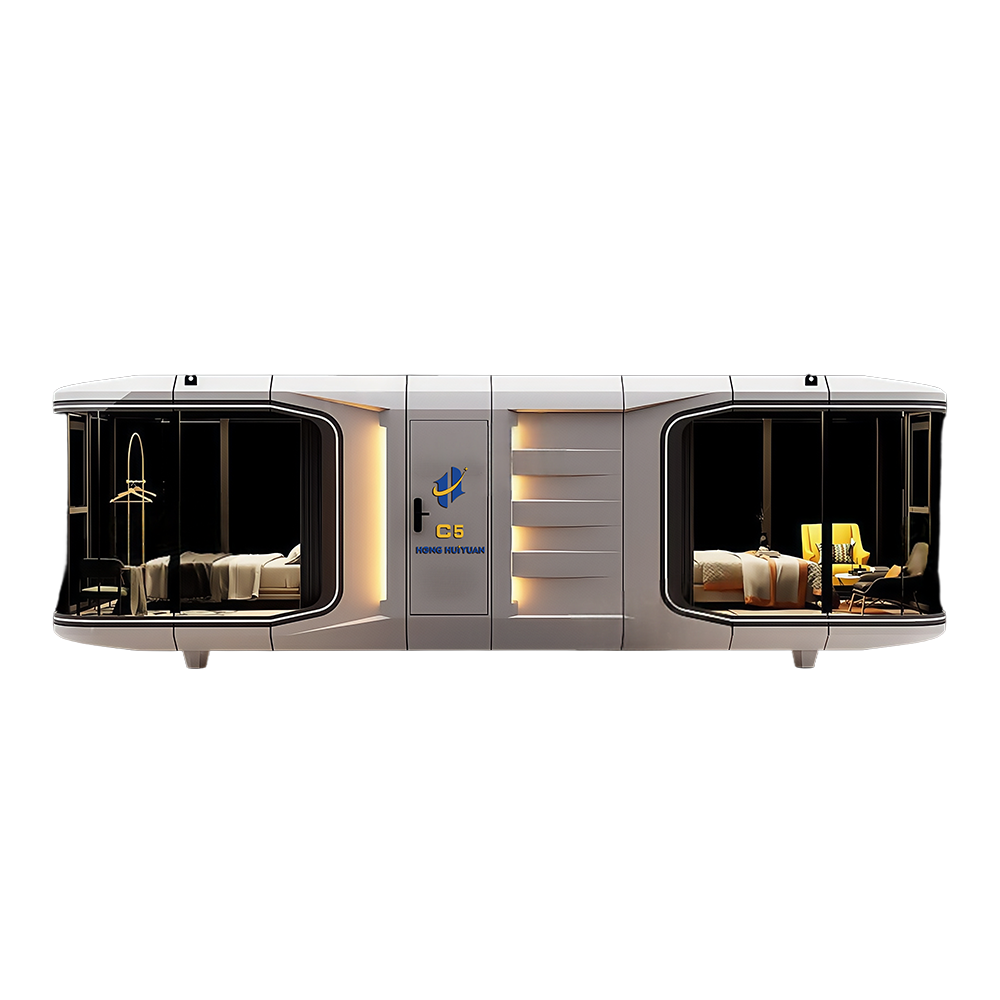
For time-sensitive mountain projects, the 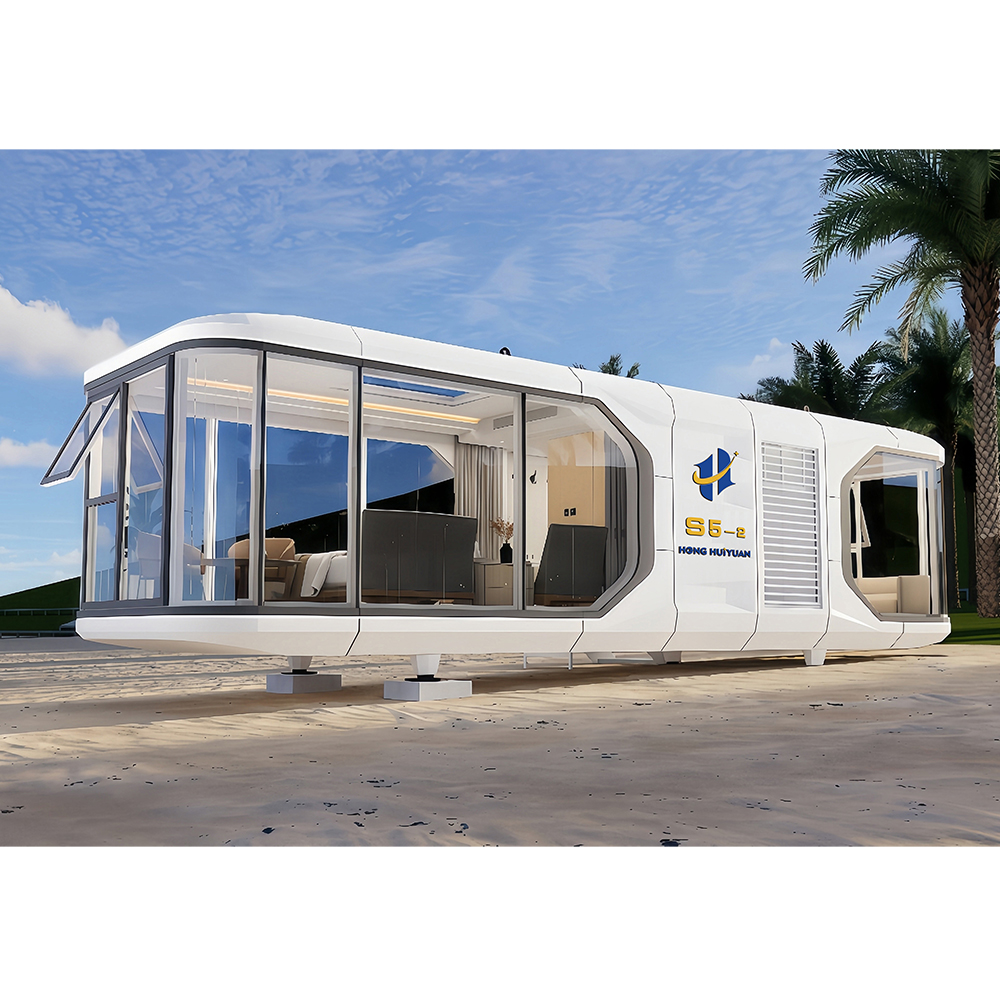 S5-2 Quick-Install Fully Enclosed Capsule HousePre-designed for efficient anchorage and fast enclosure, this space capsule reduces on-site installation time. Its enclosed structure helps manage water runoff on mountain slopes during setup.View Product → is pre-designed for efficient anchorage and fast enclosure, reducing on-site installation time.
Anchors hold the capsule in place, but water management keeps the ground around it stable. On a slope, runoff is the most unpredictable force. If left unmanaged, it can undercut a pier, saturate the soil around a ground screw, or push debris against the structure.
These measures extend the lifetime of both the foundation and the capsule shell by preventing the slow movement of soil and water that destabilizes even the best-engineered anchors.
The anchoring plan should always be documented with load calculations for dead load, live load, wind, snow, and seismic forces where applicable. In practice, this means working with a licensed structural engineer for slopes above 30 percent, obtaining permits before excavation begins, and keeping a permanent record of anchor specifications, installation dates, and inspection reports.
Annual inspections are equally important. A capsule that shifts even slightly can develop door alignment issues, seal failures, or stress cracks in the frame. Small adjustments to the leveling feet, re-torqued bolts, and replaced guy lines are far cheaper than re-leveling a building that has been allowed to settle.
Manufacturers with integrated production and export experience, such as those presenting modular housing solutions at international trade fairs, can provide anchoring specifications for their own capsule models, which simplifies the engineering approval process.
There is no universal maximum, but most manufacturers recommend keeping slopes between 15 and 20 degrees for ground-screw systems without additional engineering. Above that range, an elevated steel platform or concrete pier foundation with an engineered design is typically required.
Depth depends on soil type and the capsule's weight. Most residential installations use screws driven 1.2 to 1.8 meters deep, and on a slope the downhill-side anchors should be deeper to resist lateral shear. A geotechnical test of the specific site provides the final figure.
Yes, if you choose ground screws or a steel platform without concrete. Concrete piers require cutting the anchors above grade for removal. If relocation between seasonal sites is planned, a screw-based system is the practical choice.
Yes. Ridge and slope-top sites experience significantly higher wind speeds than valley floors. Wind uplift is a leading cause of lightweight structure failure, so the anchoring design must account for local gust speeds and the surface area of the capsule.
Anchoring a mobile glamping capsule on a steep slope is a task that rewards careful planning. The right foundation system protects the structure, the guests, and the long-term value of the resort investment. Start with a complete site assessment, choose a method suited to the slope and soil, follow a disciplined installation sequence, and keep water under control. With these steps in place, a mountain capsule can provide a stable, safe, and memorable stay for many seasons.

 Contact Us
+86-137 5820 5685
+86-571 8550 0659
 Send An E-mail
Building 4, No. 2, Shuyun Road, Yuhang District, Hangzhou City, Zhejiang Province, China
 Mobile

 English
 Español
 عربى
عربى