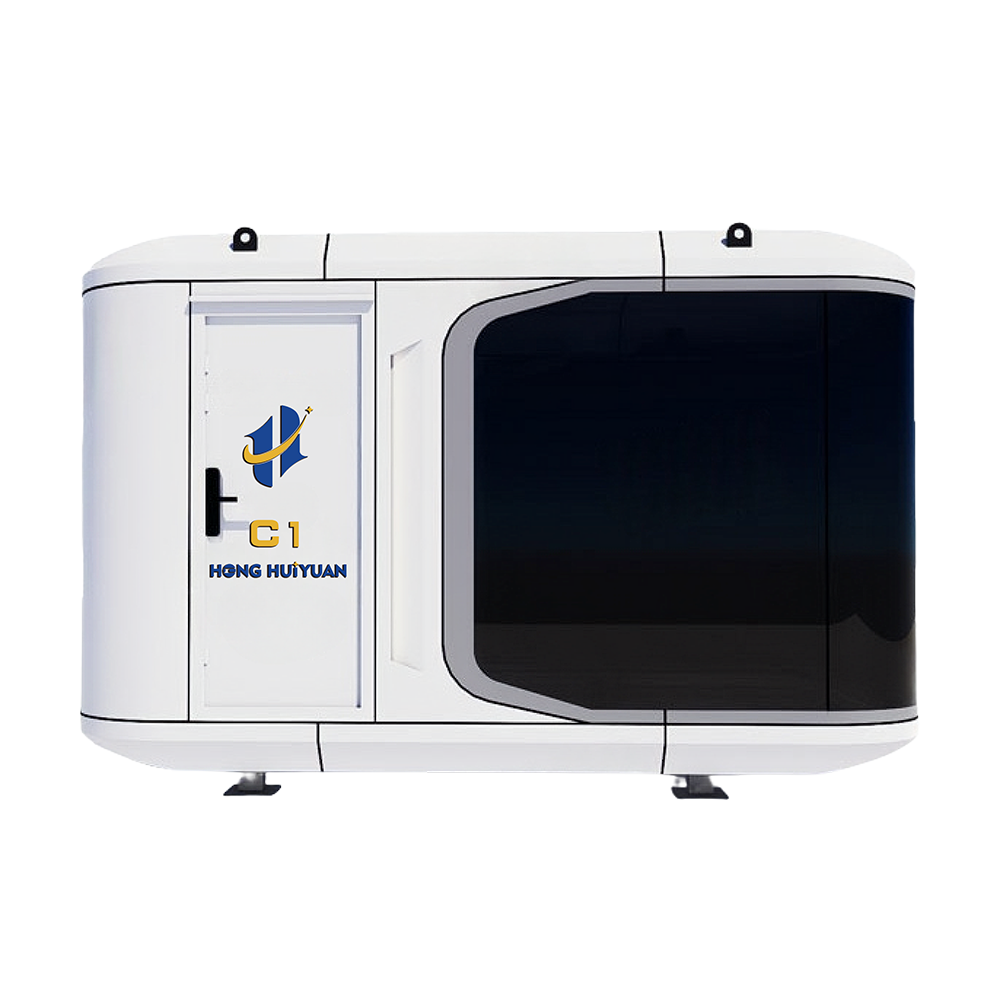
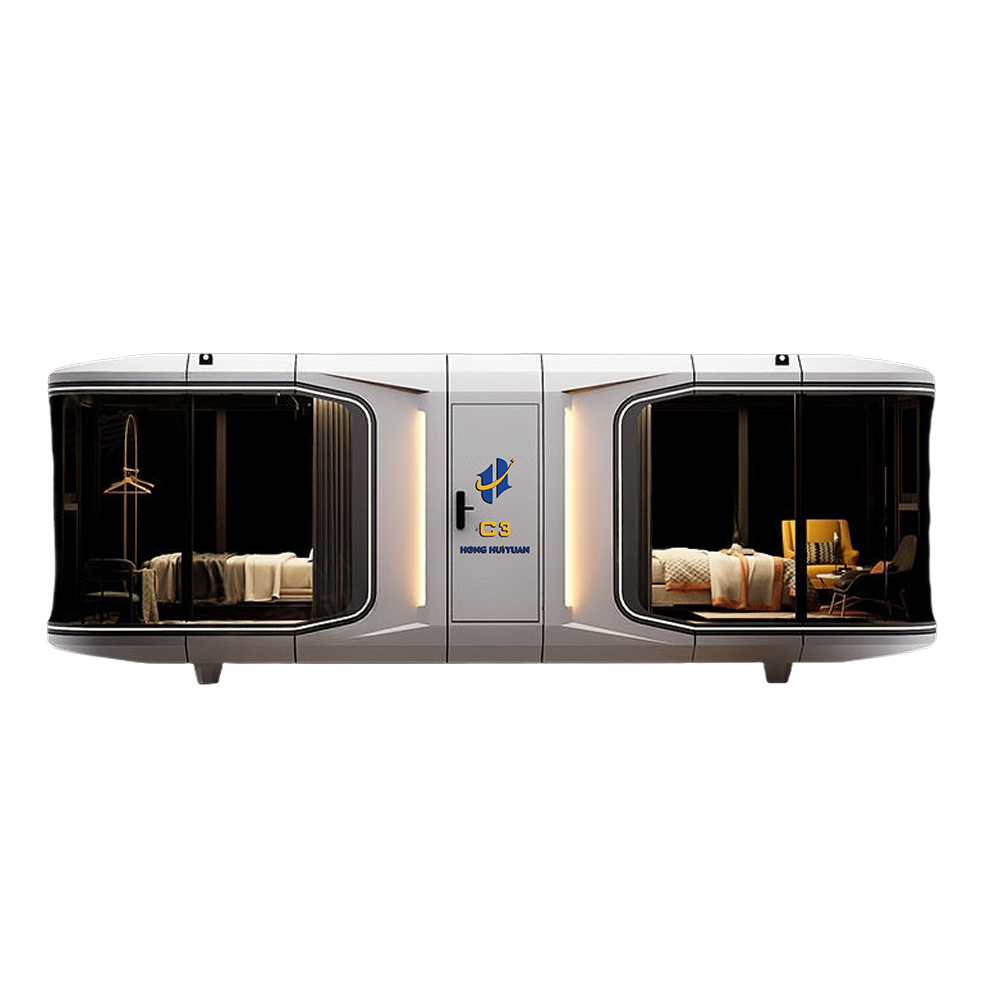
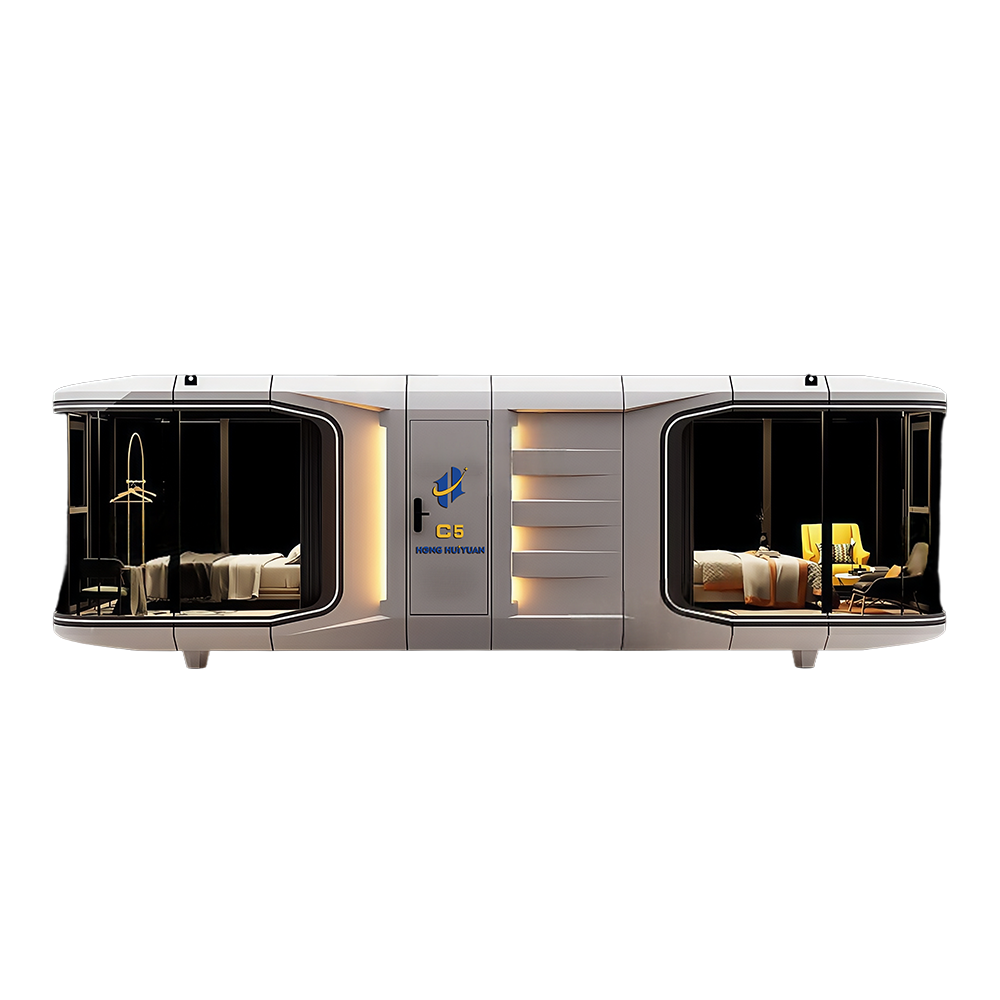
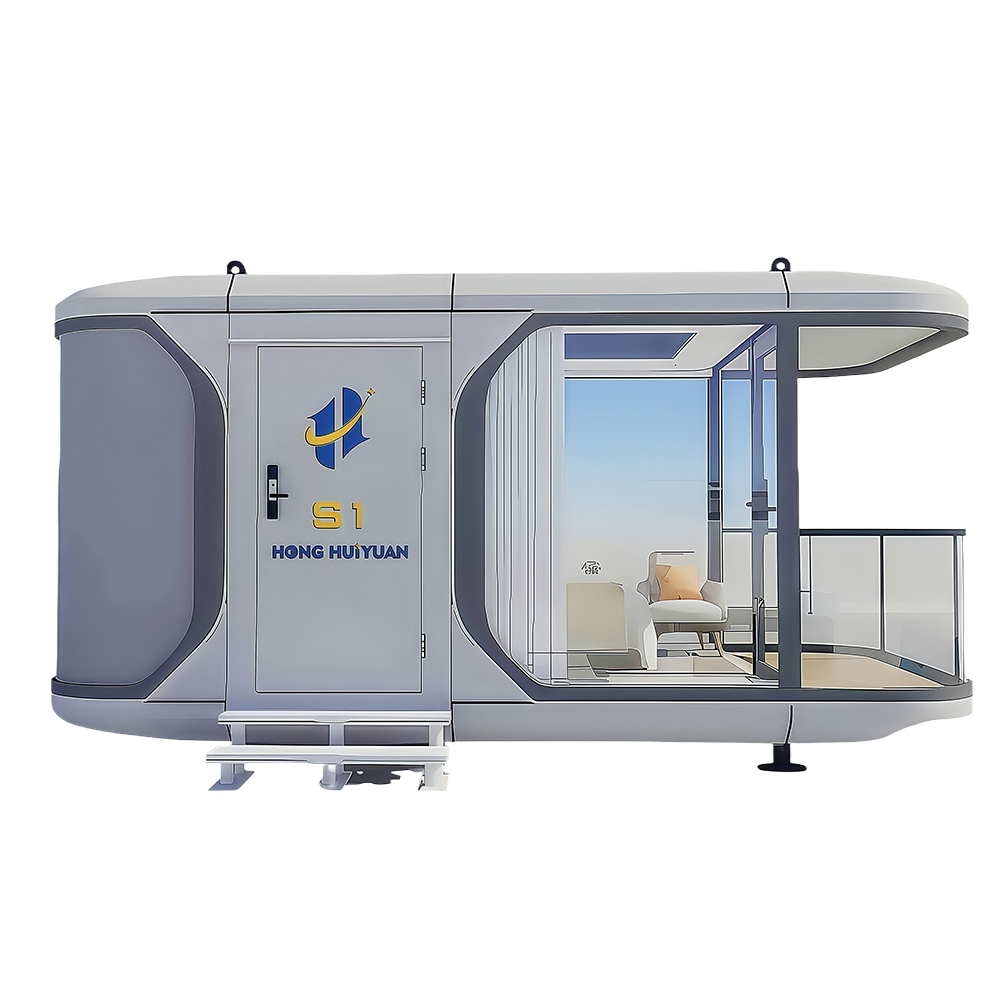
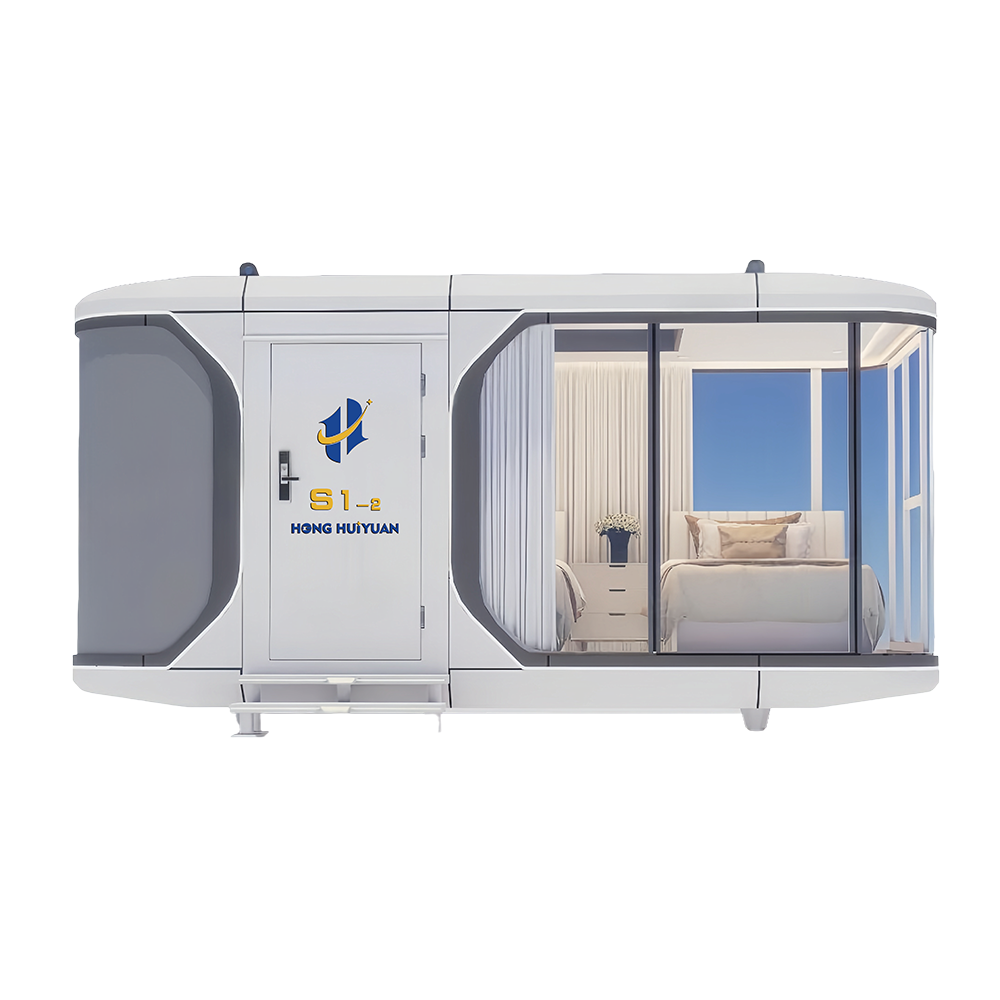
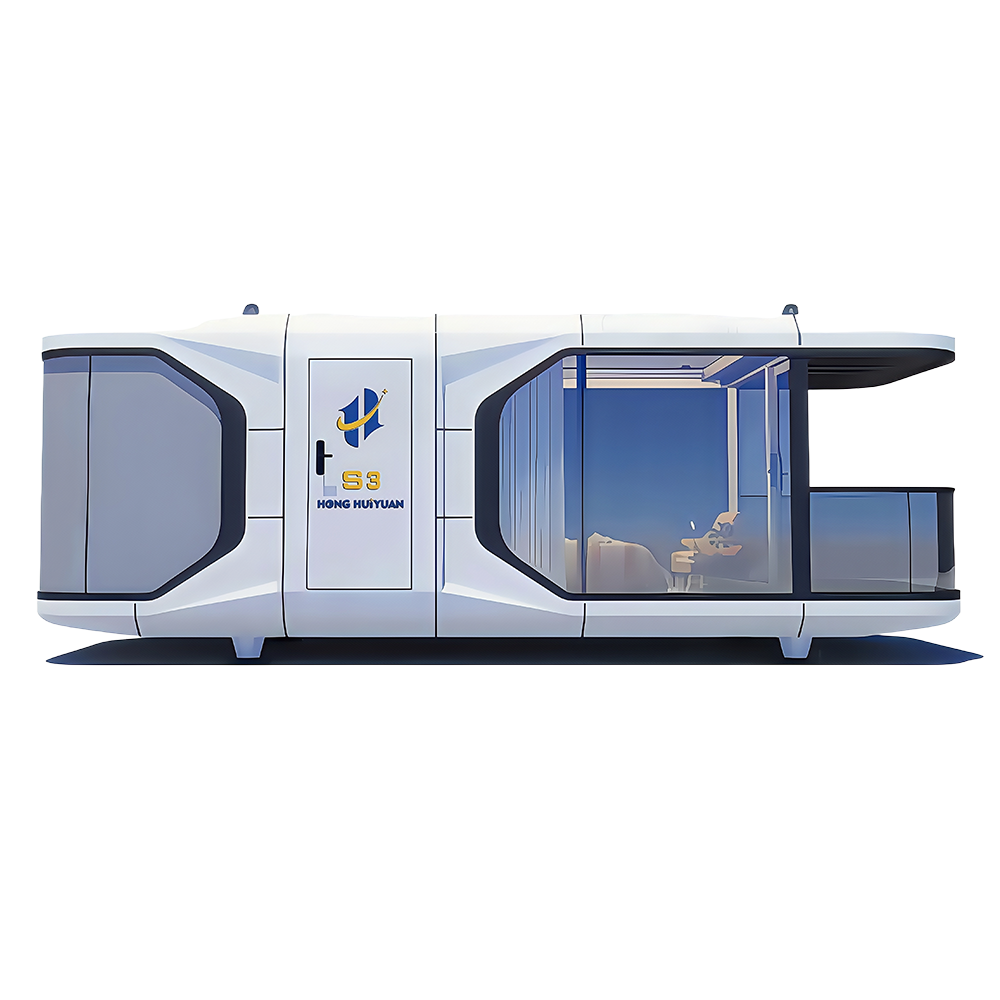
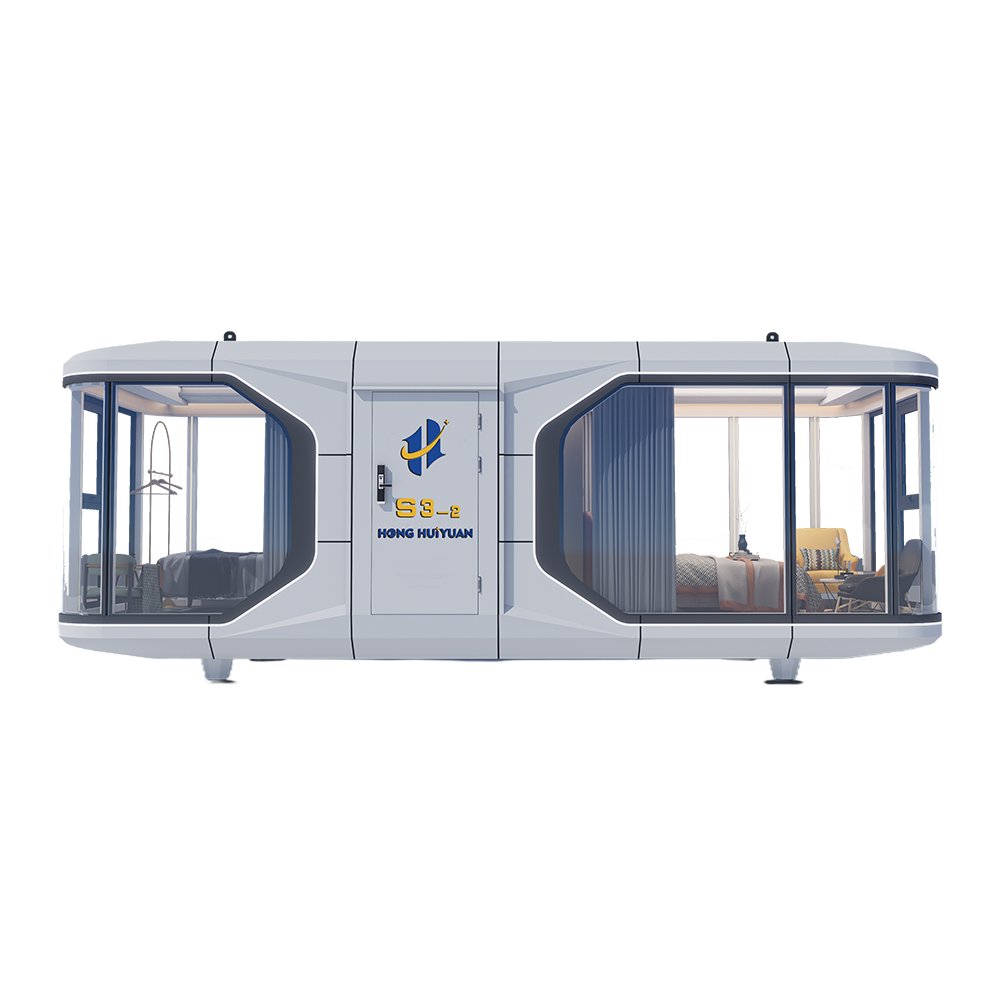
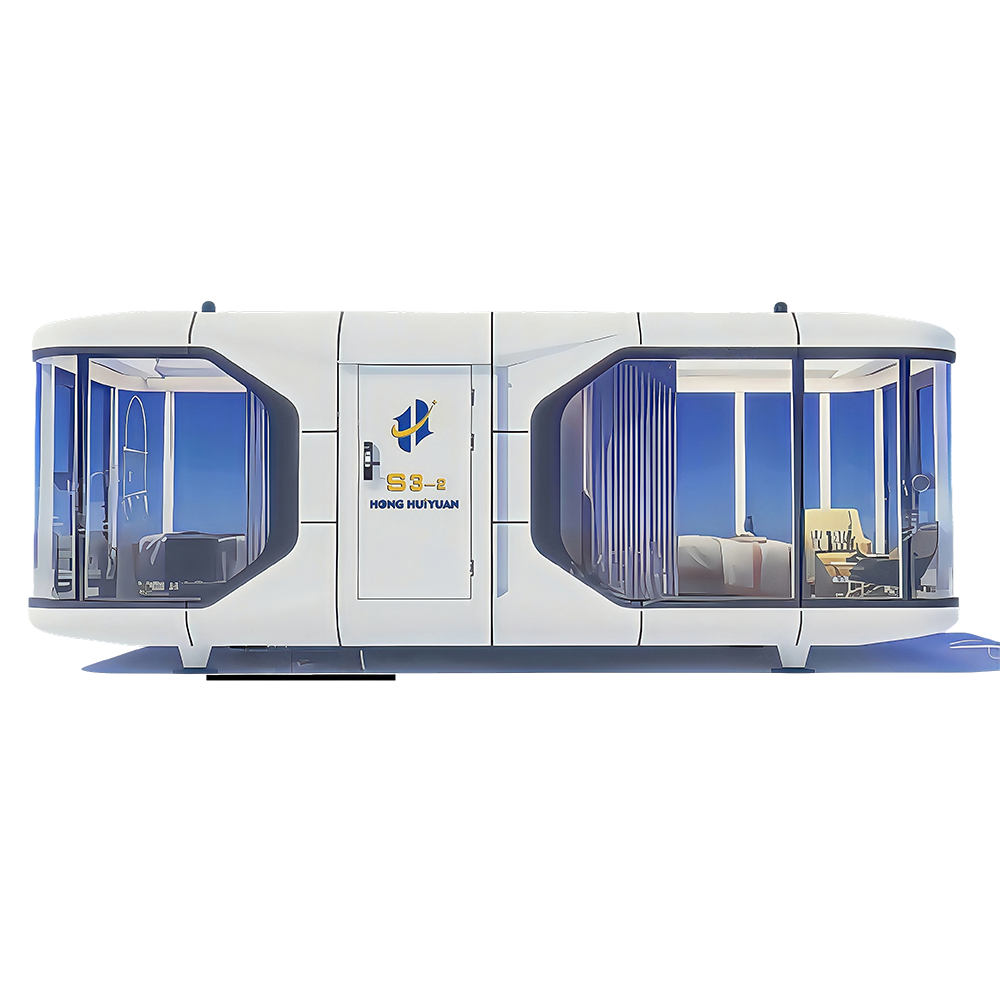
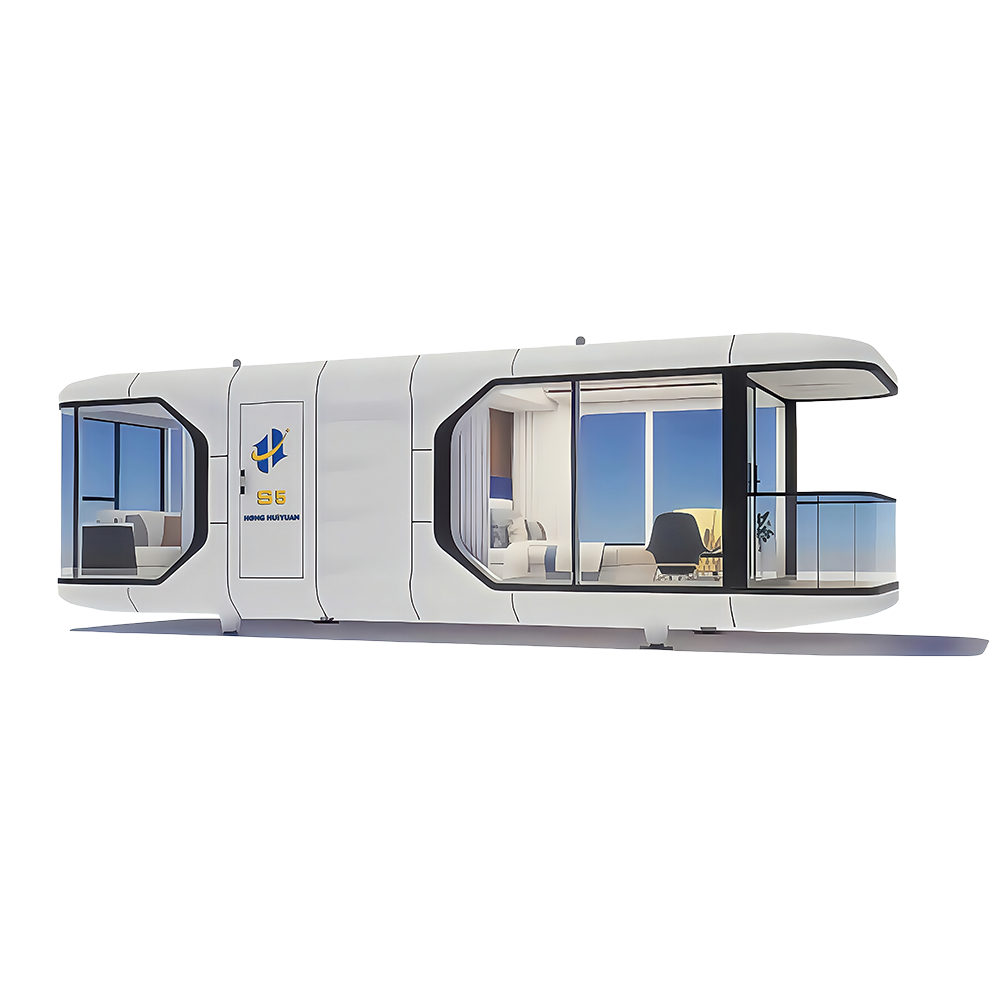
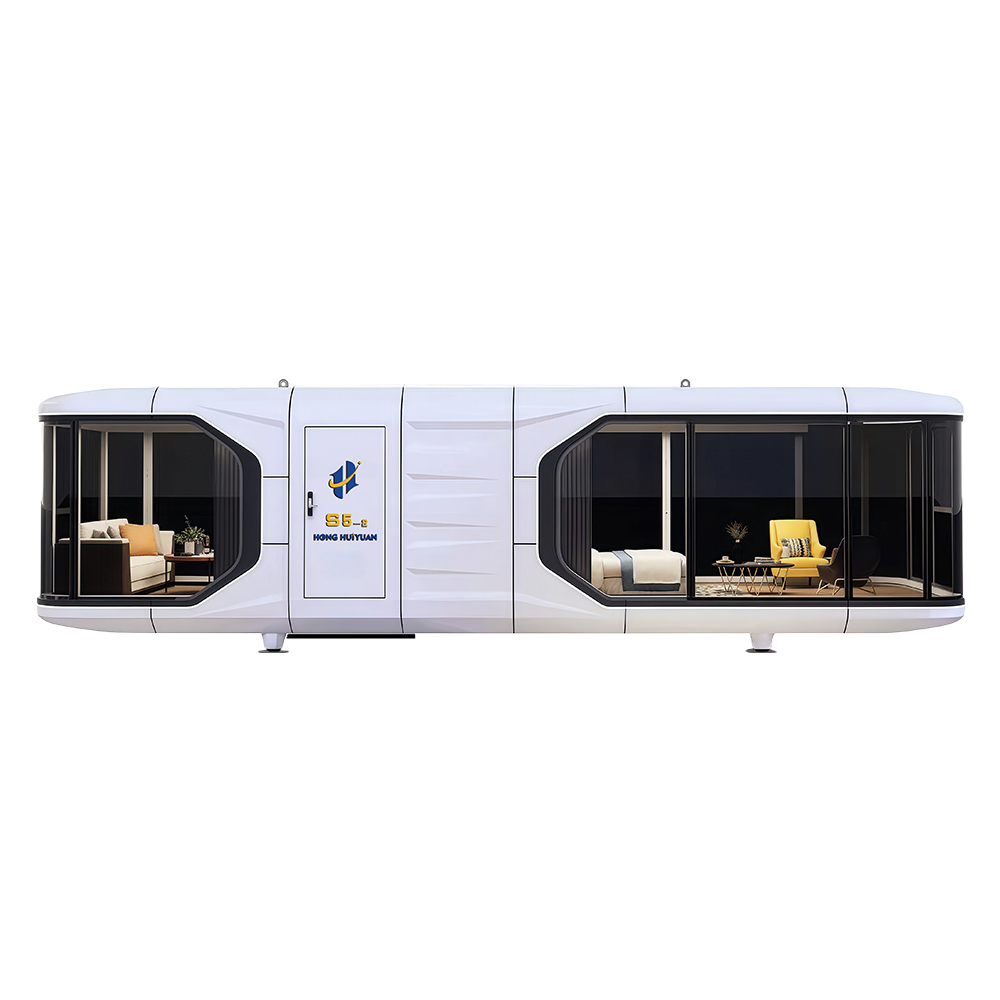
Extreme climate survival units are a type of high-safety, high-weather-resistance modular living/working unit designed specifically for extreme climates, remote areas, and harsh environments.
Through structural reinforcement, all-climate materials, upgraded insulation systems, off-grid energy configurations, and self-sustaining life-support systems, they achieve the goal of ‘surviving anywhere.’
This product series is widely used in research stations, polar projects, desert engineering, mountain rescue, high-altitude operations, and similar scenarios, serving as high-performance infrastructure for human activity in extreme environments of the future.
For hospitality investors and project developers, the shift toward modular construction is no longer a trend but a strategic decision. The C5 Detachable Mobile Capsule Resort Cabins represent a specif...
READ MOREAs urbanization accelerates, housing demand increases, but so do property prices. For many young people, environmentalists, and even retirees, finding a home that is both affordable and aligned with t...
READ MOREIntroduction The world is witnessing a rapid transformation in how people approach living spaces, especially with the growing demand for smaller, more sustainable homes. One of the most exciting devel...
READ MOREA space capsule house differs from a traditional tiny house primarily in its futuristic pod-shaped design, smart technology integration, prefabricated construction, and modular mobility — whereas a t...
READ MOREAs global climate change intensifies, the demand for adaptability in residential and office spaces is increasing. Traditional buildings often prove vulnerable to extreme weather and environmental challenges, while Climate-Resistant Modular Pods, as a flexible, customizable, and weather-resistant building form, are gradually becoming a new trend.
Modular pods are a building form based on the core concepts of unitization and standardization. Each pod unit can be independently built, transported, and installed, and then combined into a larger spatial system as needed. This design not only significantly shortens the construction cycle but also enables flexible deployment globally.
Climate-Resistant Modular Pods typically employ high-strength steel structures, composite insulation materials, and waterproof and windproof designs, enabling them to withstand diverse climates ranging from cold northern regions to hot and humid areas. For regions with high altitudes, strong winds, or heavy rainfall, their structural stability and environmental adaptability are significantly superior to traditional buildings.
The modular cabins are not limited to residential use; they can be expanded into office cabins, vacation cabins, functional modules, and even medical and educational facilities. Through modular combinations, the spatial layout can be adjusted as needed, achieving flexible expansion from small single-person rooms to large office areas.
Traditional buildings often require months or even years of construction time, while modular cabins can be prefabricated in the factory and transported to the site for rapid assembly, significantly shortening construction time. This rapid deployment capability is a significant advantage for tourist resorts, temporary office areas, or post-disaster reconstruction projects.
Factory production reduces material waste and labor costs during construction, while also facilitating quality control. Zhejiang Honghuiyuan Import & Export Co., Ltd., with its own factory and professional R&D team, can provide highly customized modular cabins, ensuring that products are durable and comfortable while also being economical.
Climate-adaptive cabins typically employ energy-saving materials and intelligent systems, such as high-efficiency insulation layers, low-energy lighting, and rainwater harvesting and reuse systems, significantly reducing energy consumption. Simultaneously, reusable modular design reduces construction waste, achieving recycling and environmental friendliness.
Zhejiang Honghuiyuan emphasizes the application of green technologies in cabin development, ensuring that each project is not only aesthetically pleasing and practical but also aligns with sustainable development principles. Whether it's a vacation cabin or an office cabin, it can blend seamlessly with the natural landscape, minimizing environmental impact.
Another significant advantage of modular cabins is their high degree of customizability. By flexibly adjusting the cabin layout, exterior materials, and interior decoration, local cultural elements can be integrated into the design, achieving a deep integration with the environment and community. For example, seaside vacation cabins can utilize preservative-treated wood and ocean-themed decorations, while high-altitude office cabins can feature high-insulation and windproof designs.
Zhejiang Honghuiyuan not only provides standardized products but also offers clients a one-stop solution from market analysis and project planning to customized design and complete implementation, making each project unique.
In the tourism industry, modular containers can be quickly built into high-quality resorts or unique guesthouses, providing tourists with a comfortable and unique accommodation experience without large-scale civil engineering construction. The containers can blend into the natural landscape, creating an immersive tourism experience, while remaining safe and reliable even in inclement weather.
With increasing urban population density, the demand for micro-housing and co-working spaces is surging. The flexible modular container's modularity makes it an ideal solution to urban space constraints. From single-room living units to multi-story office modules, users can expand or rearrange the space according to their actual needs.
In disaster reconstruction, research bases, or temporary event venues, modular containers provide a fast, mobile, and safe solution. Their weather-resistant design ensures stable operation in extreme environments, while their modular nature allows for easy disassembly, assembly, and relocation.
As a leading supplier of all-climate living units and climate-adaptive modular cabins in China, Zhejiang Honghuiyuan Import & Export Co., Ltd. possesses unique advantages in the global modular cabin market:
Through these advantages, Zhejiang Honghuiyuan helps clients achieve innovative, efficient, and sustainable project implementation, meeting diverse needs for tourism, office, and residential applications.
Q1: Can climate-adaptive modular cabins withstand extreme weather?
A1: Yes, modern cabins utilize high-strength steel structures, thermal insulation materials, and waterproof designs to withstand environments with strong winds, heavy rainfall, or extreme temperature differences.
Q2: What are the lifespan and maintenance costs of the cabins?
A2: Modular cabins typically have a lifespan of over 20 years, with durable materials and low maintenance requirements. Zhejiang Honghuiyuan provides comprehensive after-sales service to ensure long-term reliable use.
Q3: Can the cabin layout and functions be customized to meet specific needs?
A3: Absolutely. We offer highly customized designs, from single-person living cabins to multi-functional office modules, to meet diverse project requirements.
Q4: What is the deployment cycle?
A4: After prefabrication in the factory, the cabins can be quickly transported to the site and assembled within a few weeks, significantly shortening the traditional construction period.
Q5: What application scenarios are modular cabins suitable for?
A5: Suitable for tourist resorts, urban micro-housing, shared office spaces, post-disaster reconstruction, research bases, and temporary event venues.
Climate-adaptive modular cabins not only represent advancements in building technology but also provide a flexible, sustainable, and efficient solution for future living and working models. By choosing Zhejiang Honghuiyuan's complete solutions, businesses and individuals can transform creative ideas into real-world projects, achieving safe, comfortable, and innovative modular space experiences worldwide.

 Contact Us
+86-137 5820 5685
+86-571 8550 0659
 Send An E-mail
Building 4, No. 2, Shuyun Road, Yuhang District, Hangzhou City, Zhejiang Province, China
 Mobile

 English
 Español
 عربى
عربى