2026.03.12
Content
As urbanization accelerates, housing demand increases, but so do property prices. For many young people, environmentalists, and even retirees, finding a home that is both affordable and aligned with their lifestyle becomes increasingly difficult. Prefab Tiny Homes (pre-fabricated tiny homes) have emerged as an innovative housing solution that offers an ideal living space for those seeking affordability, sustainability, and minimalism. These homes not only meet the modern needs for economical living but also provide a lifestyle that promotes environmental consciousness and minimal living.
Prefab Tiny Homes are not just about small space and clever design, they represent a more flexible, free, and eco-friendly way of life. In this article, we will delve into the various aspects of prefab tiny homes, exploring their economic advantages, sustainability, innovative designs for small spaces, and the minimalist lifestyle they promote.
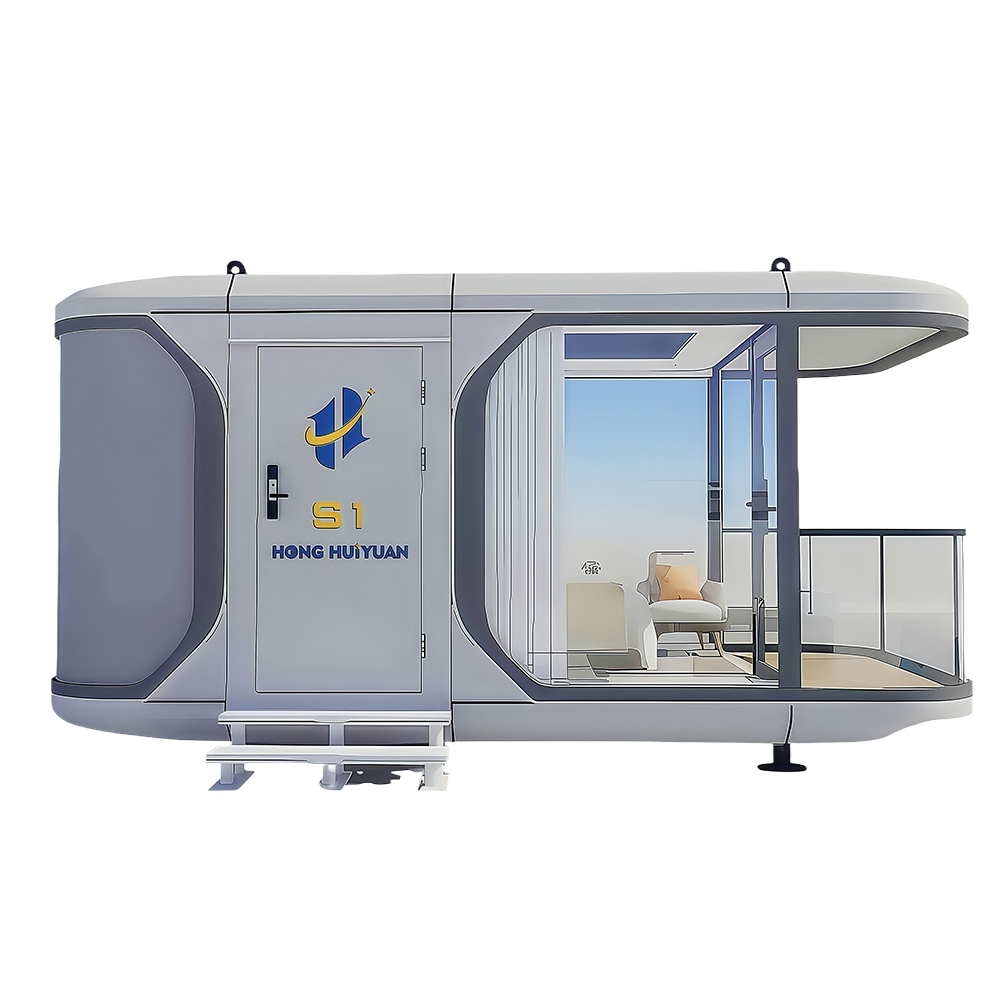
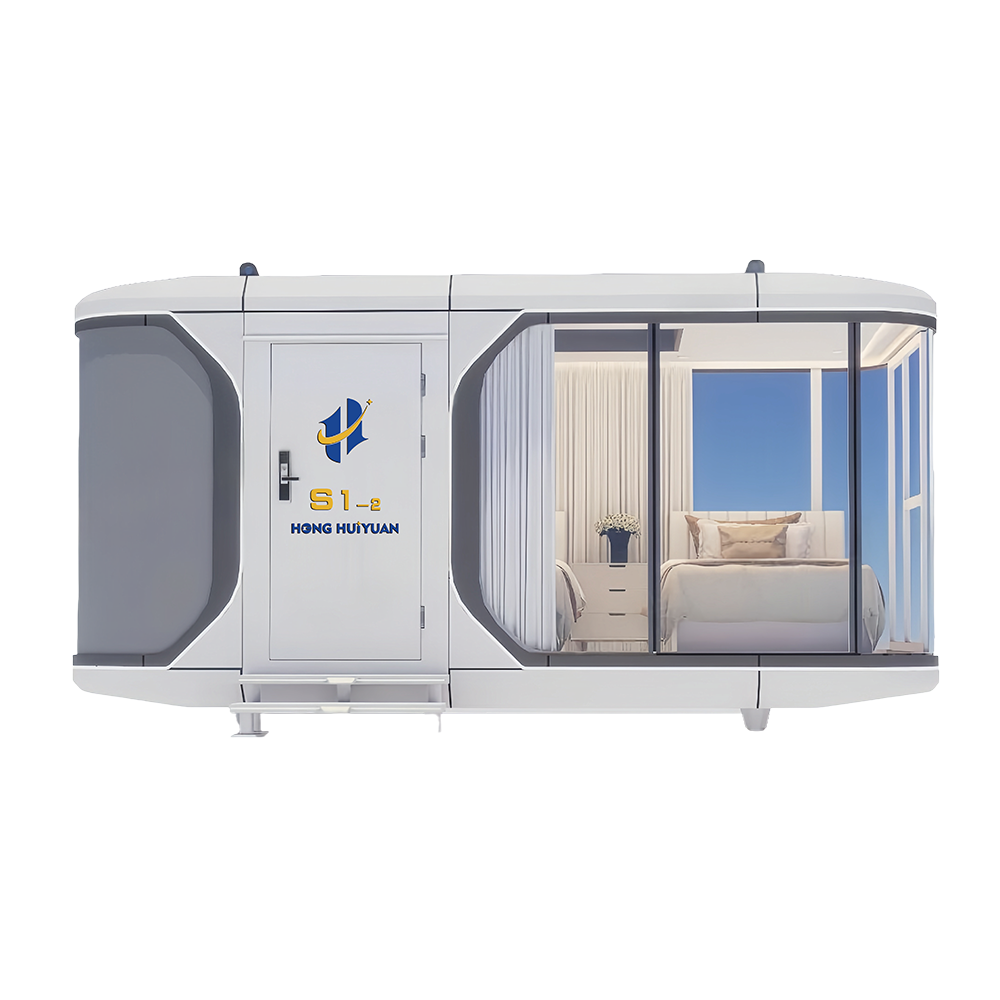
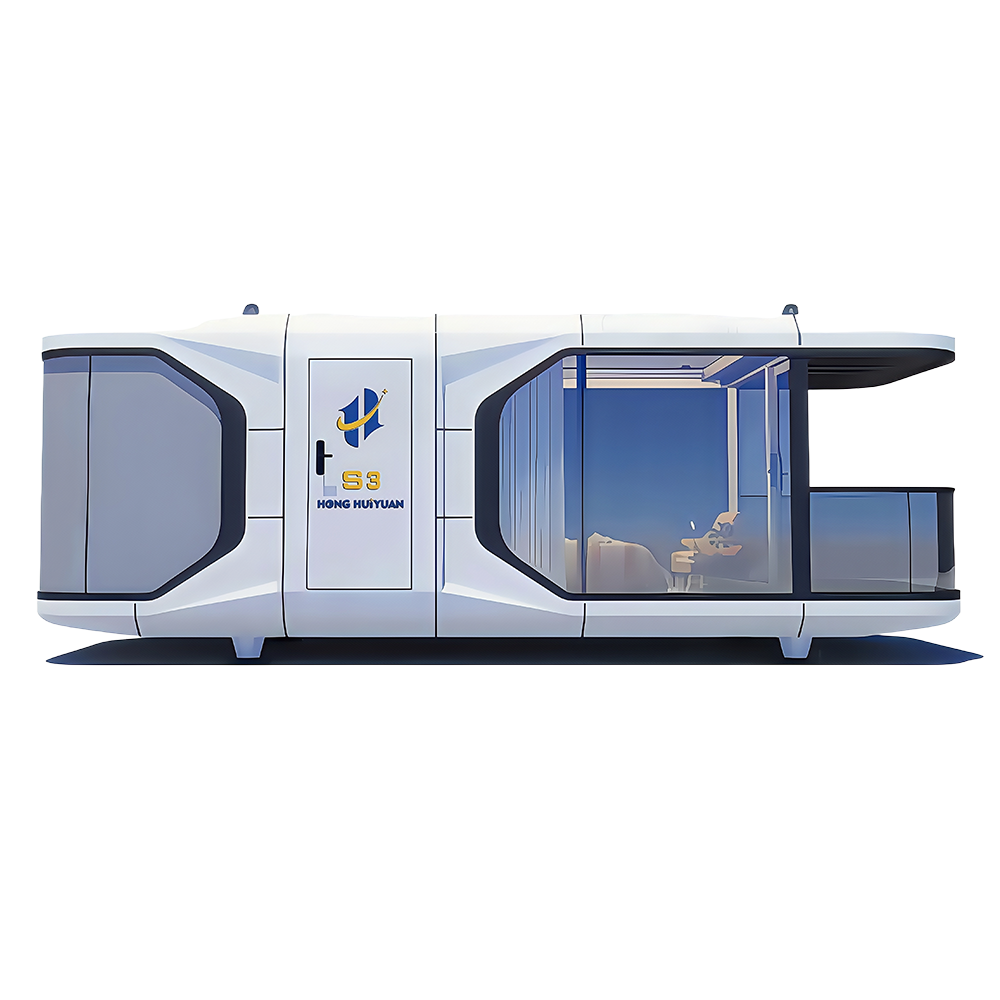
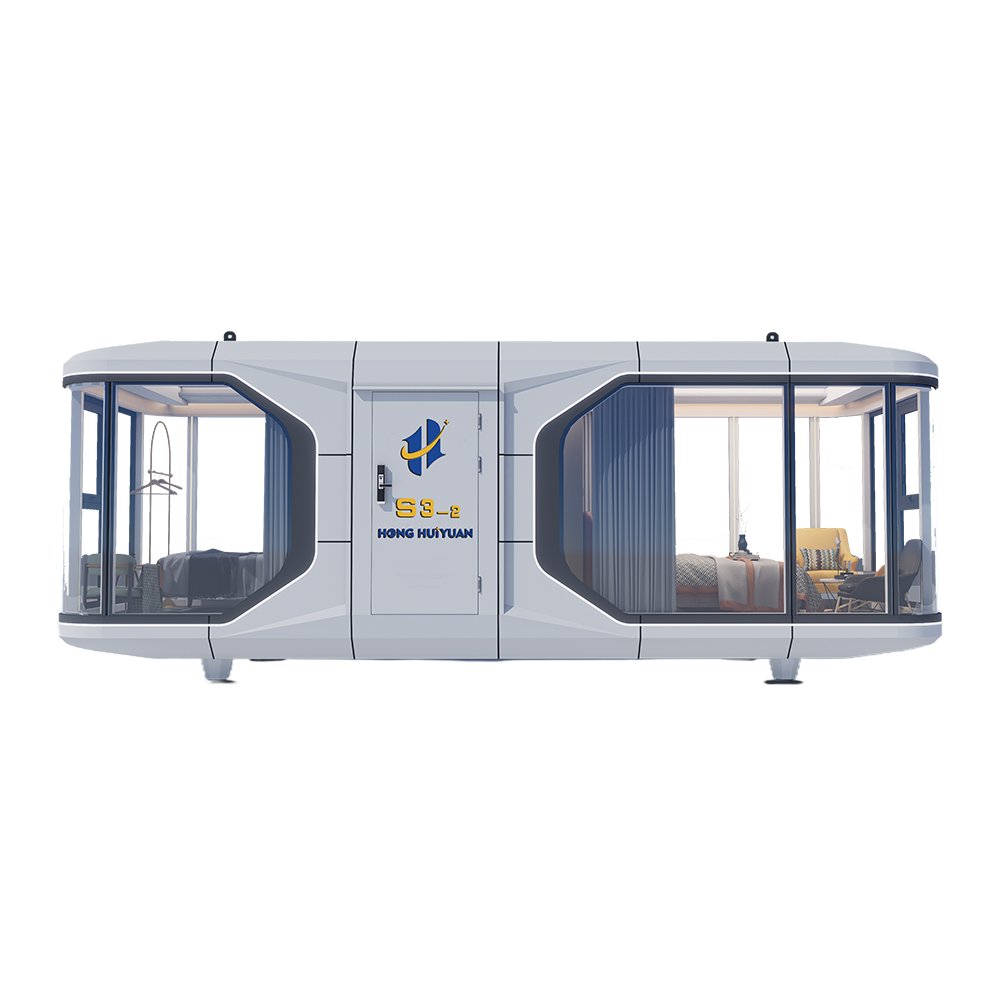
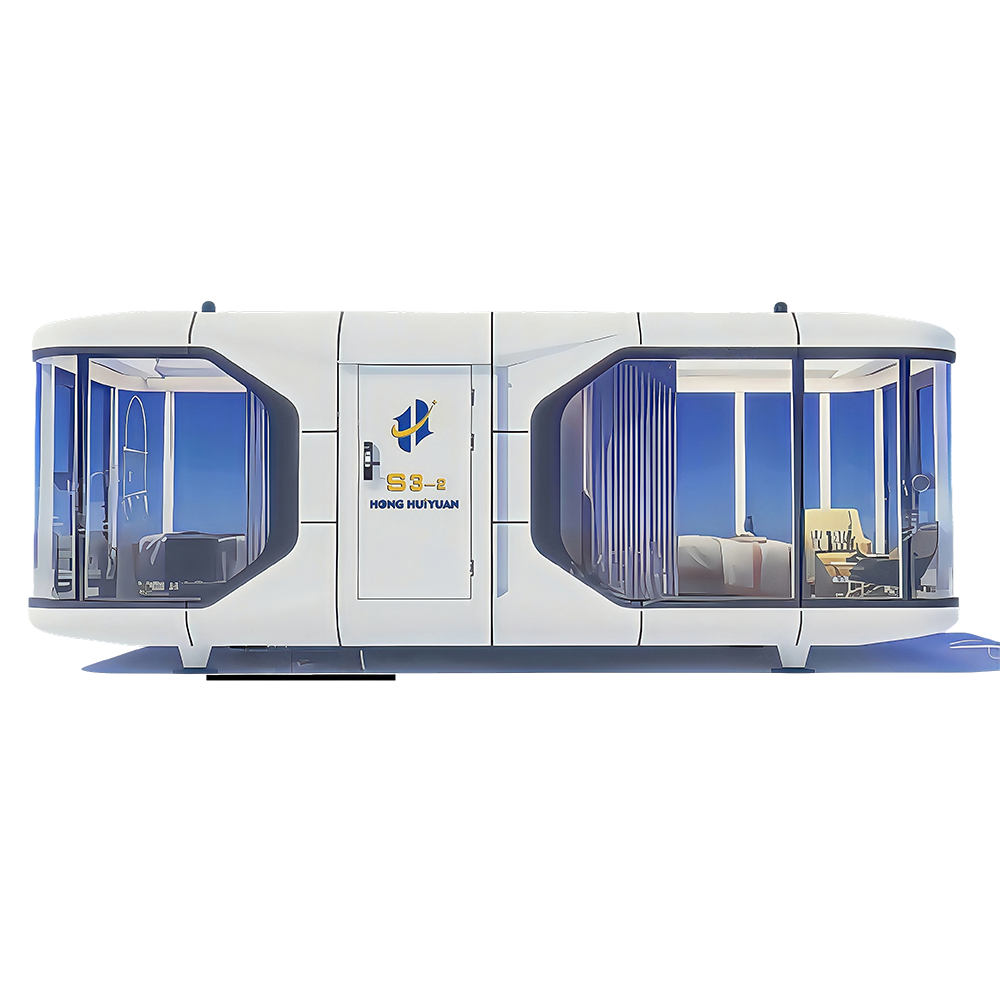
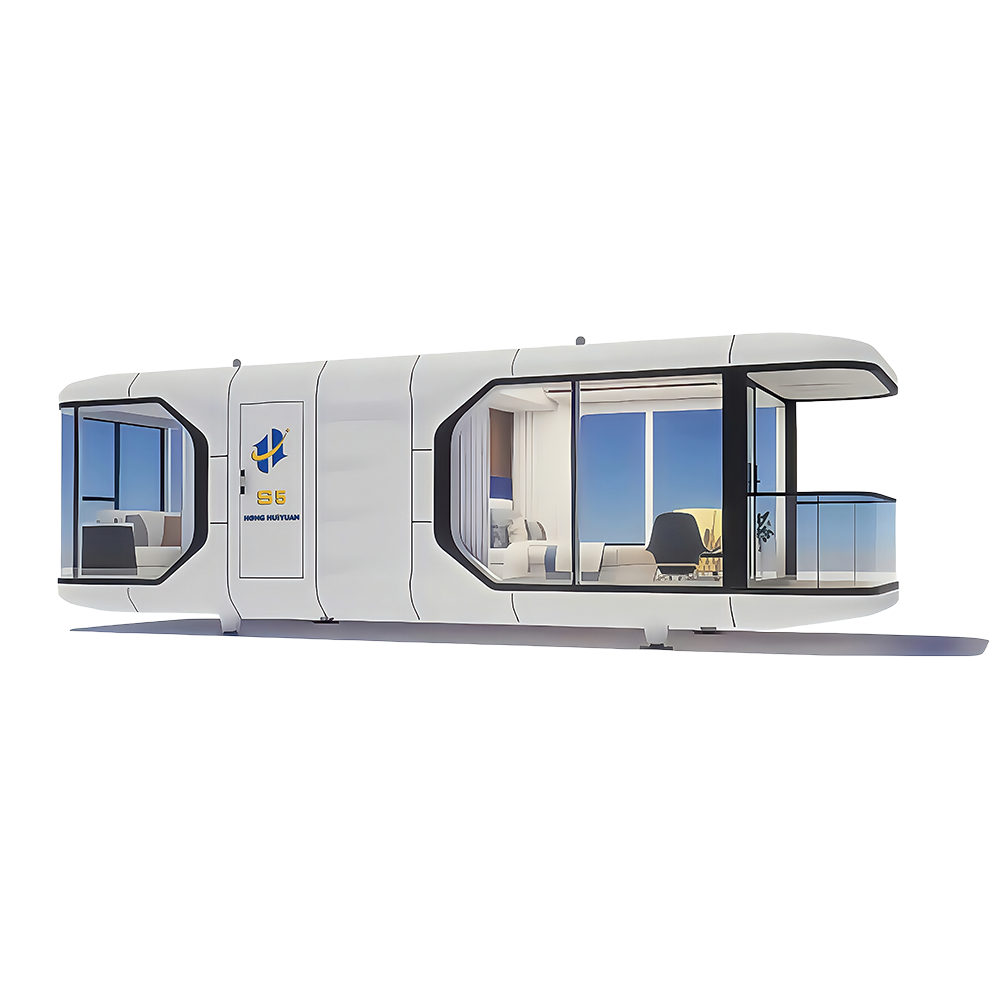
As the name suggests, Prefab Tiny Homes are homes that are constructed from pre-manufactured modules that are built off-site and then transported to the location where they will be assembled. These homes are unique in their construction method and the materials used, giving them many advantages over traditional homes.
The basic structure of a prefab tiny home includes exterior walls, roof, floor, windows, and doors, which are manufactured in a factory and then assembled according to the design blueprint. The construction time for prefab homes is significantly shorter than traditional houses, which allows for faster project completion and reduced costs.
Additionally, the size of prefab tiny homes is typically small, making them perfect for people looking to downsize or live a minimalist lifestyle. Despite the small footprint, thoughtful design and efficient use of space allow these homes to offer surprisingly comfortable living arrangements. Prefab tiny homes are ideal for individuals, small families, or even those who want to experience a tiny house living community.
An important concept in the construction of prefab tiny homes is the use of Prefab House Kits. These kits typically contain all the necessary components and materials required to build a tiny home. Buyers only need to assemble the parts on-site, reducing the complexity of construction and offering more flexibility for customization.
Prefab House Kits provide flexibility and autonomy to homeowners. By choosing their preferred design style and layout, they can build a personalized tiny home according to their needs and budget. Compared to traditional construction, this method significantly reduces costs and construction time.
A typical prefab house kit includes:
This kit-based system is ideal for people with little construction experience, as the components are pre-manufactured and relatively easy to assemble. However, the design options may be somewhat limited, especially for those who seek higher levels of personalization.
As real estate prices continue to rise, many people are beginning to recognize the significant advantages of Prefab Tiny Homes, especially in terms of affordability. These homes offer a high value for the money, providing an affordable housing solution without compromising on comfort or design.
The biggest advantage of Affordable Tiny Homes is their cost-effectiveness. When compared to traditional construction methods, prefab tiny homes are typically 50% to 70% less expensive to build. The actual cost may vary depending on location, materials, and design choices, but typically, they range from a few tens of thousands to over a hundred thousand dollars. For many young people just starting out or those looking to downsize, this price range is an ideal option.
| Item | Prefab Tiny Home (Single Unit) | Traditional House (100 m²) |
| Construction Time | 2-3 months | 6-12 months |
| Construction Cost (Estimate) | $6,000 - $15,000 | $30,000 - $80,000 |
| Material and Labor Costs | Lower | Higher |
| Long-Term Maintenance Costs (Annual) | Lower | Higher |
| Energy Efficiency (e.g., Energy-Saving Design) | High | Low |
Not only does the initial construction cost differ, but long-term maintenance costs are also significantly lower for prefab tiny homes. They are often constructed using durable and low-maintenance materials, such as stainless steel walls and double-glazed windows, making them more cost-effective in the long run compared to traditional houses that require regular repairs and maintenance.
Additionally, prefab tiny homes are designed with energy efficiency in mind. Many include solar panels, energy-efficient heating and cooling systems, and high-quality insulation, all of which help to reduce energy consumption and lower utility bills. Traditional homes, on the other hand, often lack such energy-saving features, leading to higher energy costs over time.
With the increasing awareness of climate change and environmental degradation, more people are seeking eco-friendly, low-carbon living solutions. Prefab Tiny Homes are perfectly aligned with this growing trend. They not only help reduce the consumption of resources but also promote the use of renewable energy sources, making them an excellent choice for sustainable living.
One of the primary benefits of Prefab Tiny Homes in terms of sustainability is their energy efficiency. These homes are often constructed with high-performance materials, such as insulation that minimizes heat loss and roof materials that reflect sunlight. These design elements help reduce the amount of energy required for heating and cooling, which significantly lowers the environmental impact of the home.
Many prefab tiny homes are equipped with renewable energy systems, such as solar panels and wind turbines. These systems allow residents to produce their own energy, reducing their reliance on conventional energy sources and decreasing their carbon footprint. This sustainable approach to energy production makes prefab tiny homes a viable option for those looking to live a greener lifestyle.
Prefab tiny homes often use renewable or recyclable building materials, such as wood, recycled metal, and glass. These materials not only reduce the environmental impact of the construction process but also help minimize waste. For example, many homes use reclaimed wood and recycled steel, which both save forest resources and reduce landfill waste.
The compact size of prefab tiny homes is another factor that contributes to their sustainability. Because these homes are smaller, they require less energy to heat, cool, and power. In addition, the design often emphasizes natural lighting, with large windows and glass doors that allow sunlight to flood the interior, reducing the need for artificial lighting.
The construction process of prefab tiny homes also generates fewer carbon emissions than traditional housing. Since prefab homes are built in a factory and then transported to their final location for assembly, fewer construction materials are wasted, and transportation is optimized to reduce emissions. This approach contrasts with conventional construction, which often results in large amounts of waste and multiple transportation trips.
One of the standout features of Prefab Tiny Homes is their innovative design for maximizing small spaces. Despite the small footprint, these homes are designed to offer optimal functionality and comfort.
The layout of prefab tiny homes is highly flexible, with open spaces and adjustable partitions that allow the homeowner to modify the functionality of different areas. For instance, during the day, the living room and kitchen can be combined into one large space, while at night, a foldable partition can create a separate sleeping area. This flexibility helps maximize the use of limited space.
To further optimize space, many prefab tiny homes incorporate multi-function furniture. Examples include convertible sofa beds, foldable dining tables, and hidden storage cabinets. These innovative pieces of furniture help keep the home organized and spacious, making small spaces feel larger and more functional.
Vertical space is often utilized in small space design. Prefab tiny homes typically include built-in shelving, lofted areas, and high cabinets to take advantage of the vertical dimension. This allows homeowners to store items up high, keeping the floor area open and clutter-free.
Despite their compact size, prefab tiny homes can feel spacious and bright thanks to clever design strategies. Large windows and glass doors allow plenty of natural light to enter, creating an open, airy feel. Additionally, light-colored walls and wooden floors contribute to a sense of spaciousness, making the home feel larger than it is.
Through exploring the economic, sustainable, and innovative design aspects of Prefab Tiny Homes, it is clear that these homes offer a unique housing solution for modern living. They provide an affordable, eco-friendly, and customizable option that aligns with the growing desire for a minimalist lifestyle. As more people embrace sustainable and efficient living, prefab tiny homes are poised to become a significant part of the future of housing.
Yes, prefab tiny homes are designed for long-term use and provide a stable living environment. They are durable and equipped with all the necessary amenities for year-round comfort.
Prefab tiny homes can be customized to suit different climate conditions. For instance, homes in colder climates might include enhanced insulation and heating systems, while homes in warmer areas may prioritize cooling and ventilation features.
In most areas, building a prefab tiny home requires permits and approvals. The process is usually more streamlined than traditional construction, but it is important to check with local authorities to ensure compliance with building codes and regulations.

 Contact Us
+86-137 5820 5685
+86-571 8550 0659
 Send An E-mail
Building 4, No. 2, Shuyun Road, Yuhang District, Hangzhou City, Zhejiang Province, China
 Mobile

 English
 Español
 عربى
عربى