2026.09.04
Content
A resort developer evaluating thirty capsule pods for a mountain site asked the same question twice: what smart home technology actually comes with these units? The direct answer is that a modern modular capsule pod from Zhejiang Honghuiyuan Import & Export Co., Ltd. ships with a defined smart package covering climate control, access management, energy monitoring, lighting scenes, and security sensing, all coordinated through one control hub. The longer answer is which of those systems are standard, which are optional, and what a buyer should specify before placing an order.
The smart technologies normally integrated into these pods are not a single product. They are a layer of connected systems that make the shell controllable, observable, and responsive from a remote terminal. The table below identifies the typical systems that ship with a capsule pod and how they behave in everyday operation.
| Smart System | Function in a Capsule Pod | Availability |
| Climate control | The smart thermostat manages the air conditioner and heat pump to hold a target temperature and humidity level, with weekly scheduling and app override. | Standard on most models |
| Lighting scenes | Scene-based LED lighting supports welcome, work, sleep, and movie modes with gradual dimming and color temperature shifts. | Standard |
| Access control | Keypad, NFC card, or mobile app unlocks the door; a manager can issue one-time codes to guests or staff from a web console. | Standard |
| Energy monitoring | The submeter tracks total draw and breaks down consumption by appliance, allowing a host to see standby waste and schedule off-peak loads. | Optional on base models, standard on high-end series |
| Security sensors | Door and window contacts, a motion detector, and a siren module raise an alert when a unit is opened without authorization. | Optional |
| Voice assistant | A built-in hub accepts natural voice commands for lights, temperature, locks, and curtains without touching a wall panel. | Optional on Apple Cabin series |
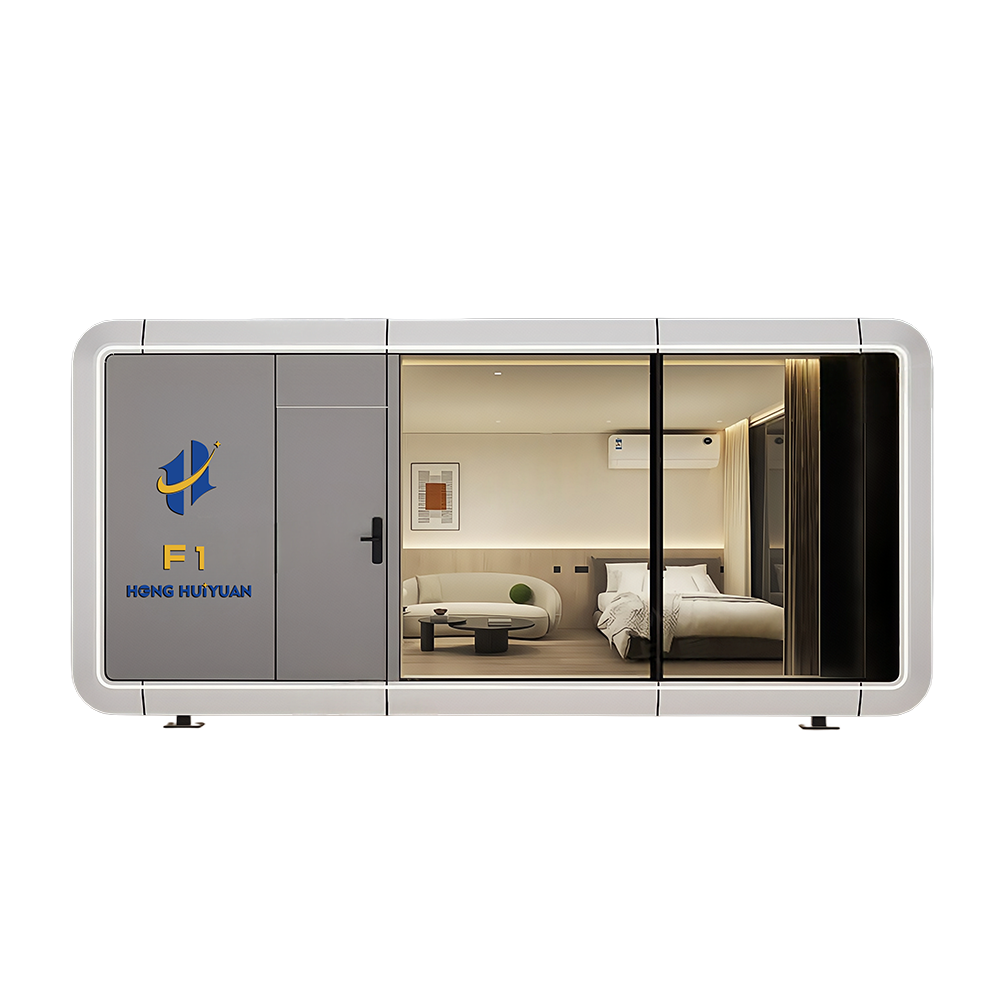
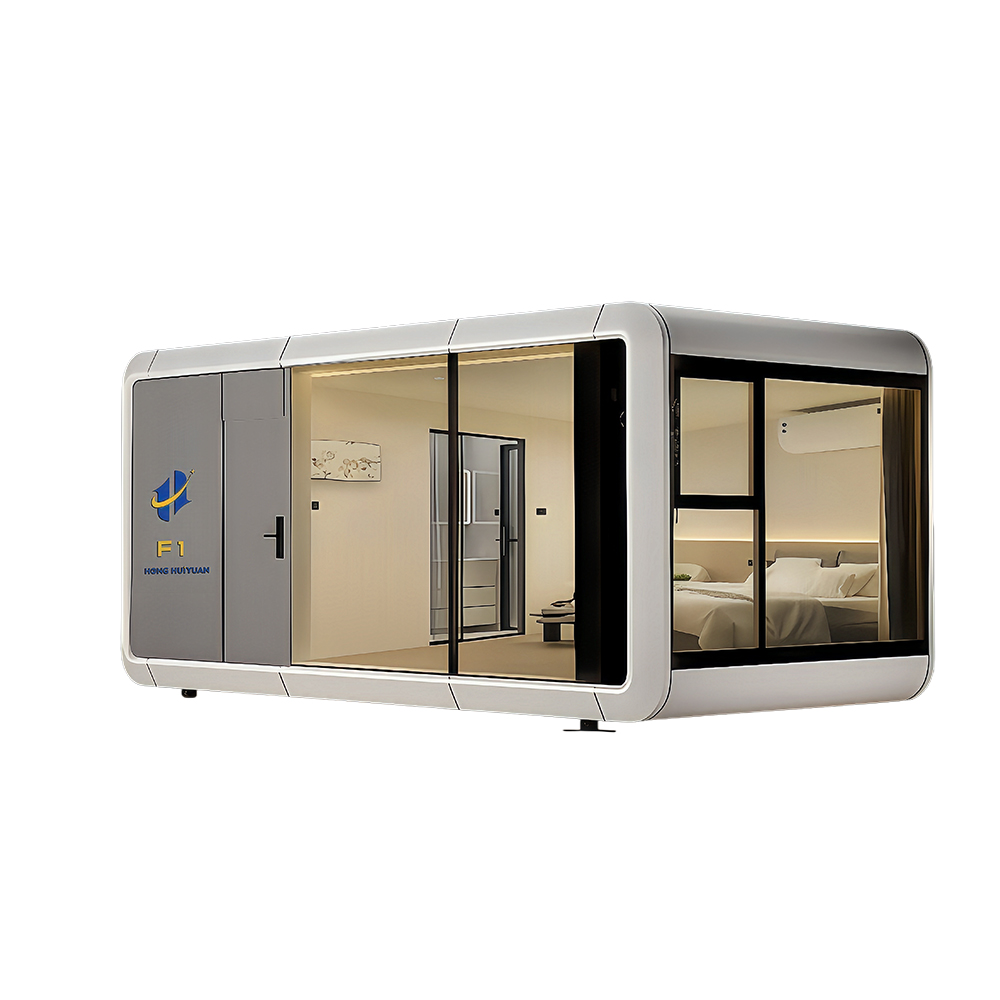 F1 Smart Tiny Compact Apple Capsule with Integrated Voice ControlThe F1 capsule offers a compact 19㎡ smart living space with bedroom, living room, and bathroom. Its intelligent voice control system enables remote operation of lighting, curtains, and access, fitting scenic homestay and camping scenarios.View Product →
The smart living pod design features that matter most in real use are the ones that help the operator act remotely. A standard pod should let the manager lock a unit, check the temperature, and read power consumption from the same dashboard without entering the room. This remote capability is what separates a smart pod from a conventional prefab cabin that merely has a few electronic devices installed.
Not every pod carries the same automation depth. The pod series determines which smart technologies are integrated at the factory and which are supplied as aftermarket add-ons.
These units prioritize guest-facing intelligence: welcoming lighting scenes, booking-integrated door codes, and a simple guest interface that requires no training. Climate control is set to a comfort default and can be adjusted from the front desk.
This series carries the highest automation density, including voice control, smart curtain automation, and environment sensors that shift the pod between eco and comfort modes automatically. It suits commercial, office, and retail deployments where an operator controls many units remotely.
The table below compares the three main series offered by Zhejiang Honghuiyuan Import & Export Co., Ltd. based on their smart focus.
| Series | Smart Technology Emphasis | Primary Buyer Profile |
| Luxury Resort Glamping Pods | Guest-facing lighting, access codes, booking system integration | Resort operators and hospitality developers |
| Apple Cabin Series | Voice-first control, automation of curtains and climate, commercial monitoring | Retail, office, and food-and-beverage projects |
| Modular Extended Stay Housing | Energy efficiency, remote diagnostics, and family-friendly access management | Housing providers and micro-housing developers |
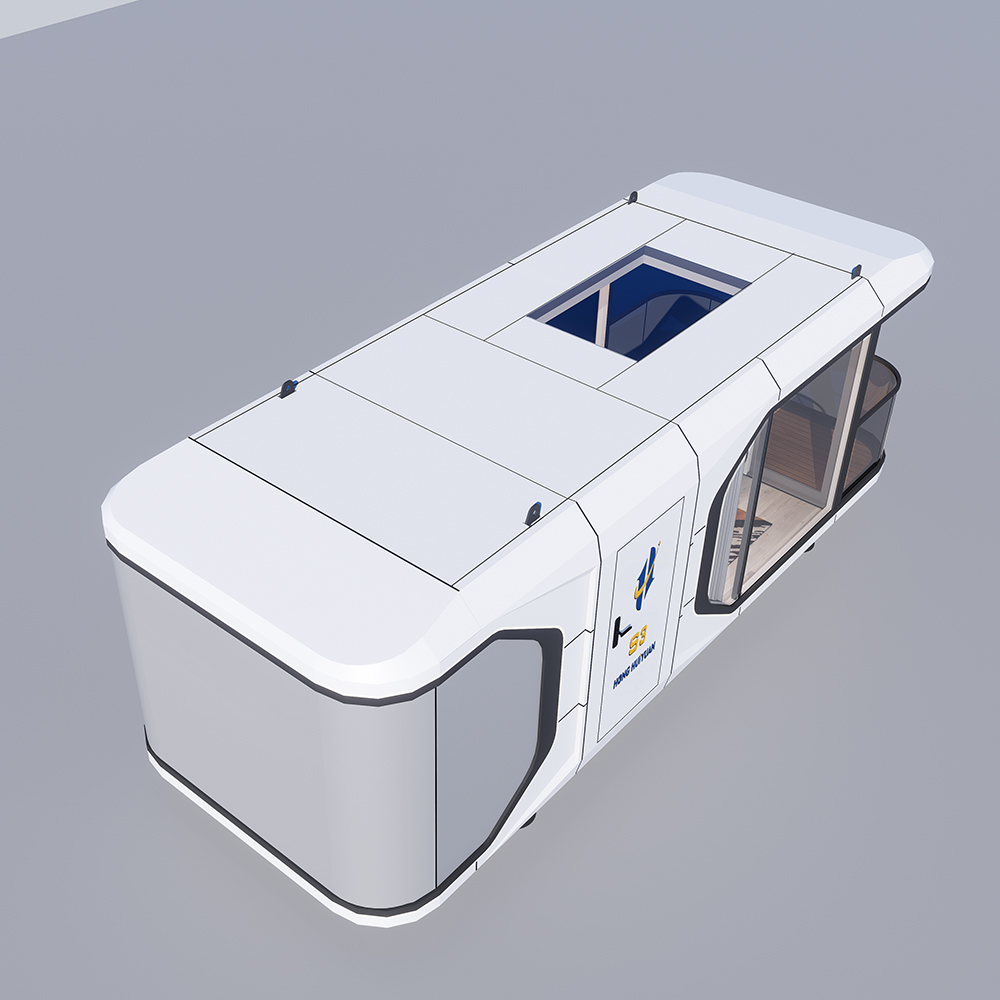 S3 Standard Prefab Smart Modular Home with Panoramic WindowsThe S3 standard edition features an aluminum shell, steel frame, and a 50-year service life. Its intelligent voice control and 270-degree panoramic windows provide a futuristic living experience suited for luxury hospitality.View Product →
When a client needs the Apple Cabin capsule technology integration at their site, the specification work starts earlier than most buyers expect, because the wall panels, wiring looms, and device mounts are prepared during production. Choosing the series first is the fastest way to narrow down the smart feature set.
For hospitality operators, the value of integrated smart technology is not the wow factor. It is a measurable reduction in labor, energy, and unscheduled maintenance. A pod that reports its own status changes the staffing model of a glamping resort or a pop-up hotel.
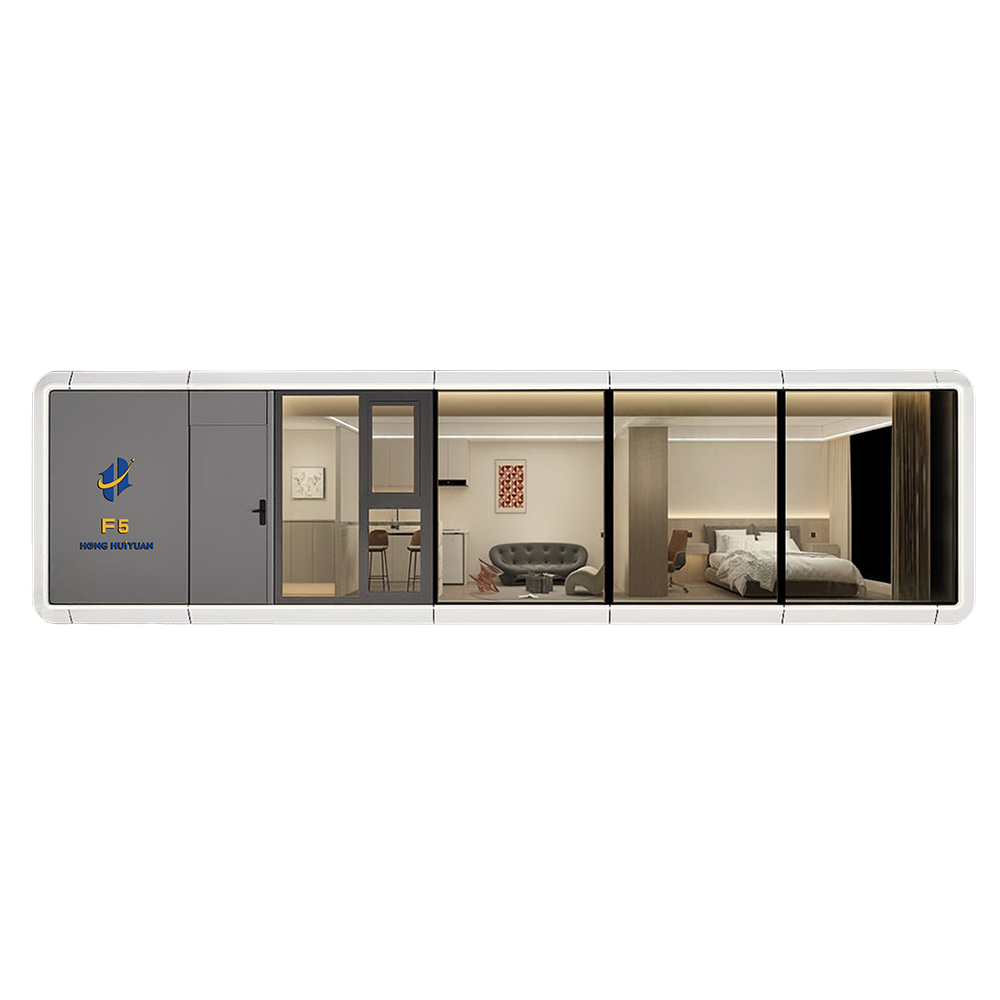
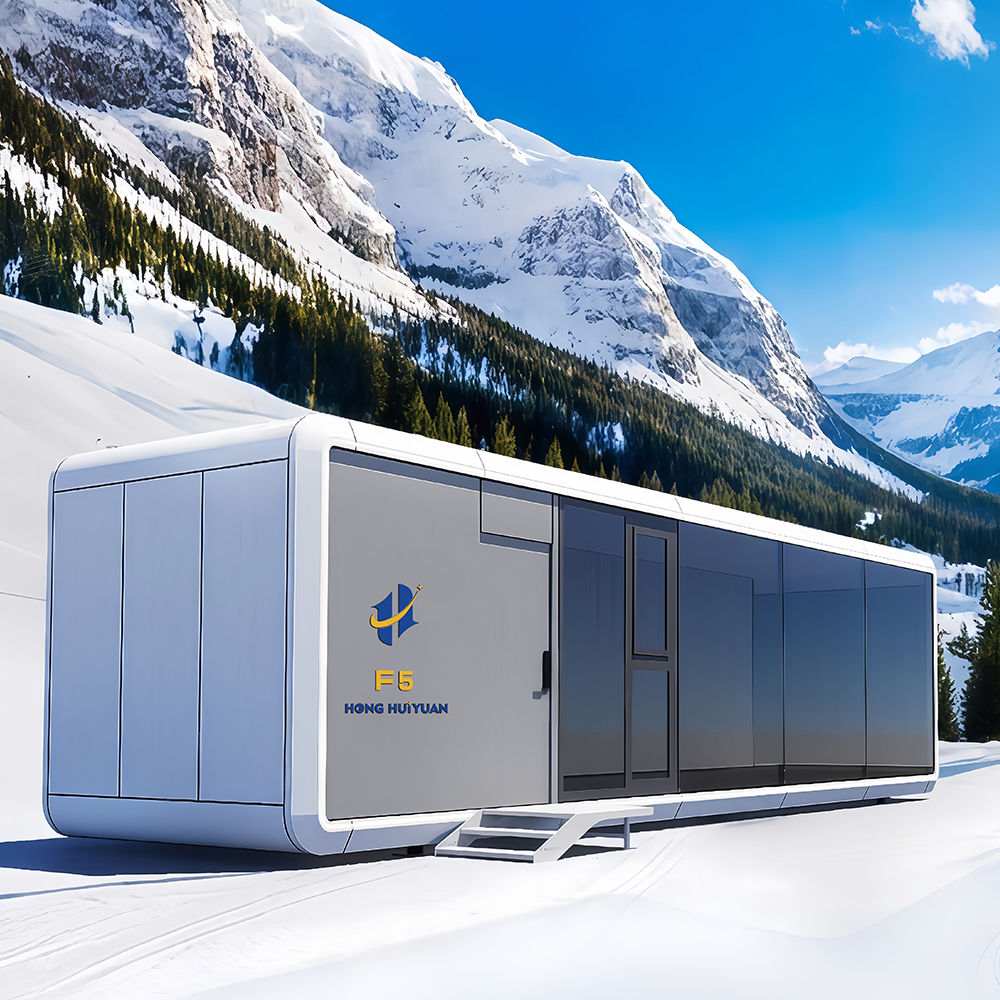 F5 Smart Resort Apple Pod Home with Full Smart ReportingThe F5 pod offers a spacious 38㎡ layout with one bedroom, living room, bathroom, and kitchen. Its integrated smart systems enable operational efficiency and reduce maintenance needs, ideal for glamping resorts.View Product →
The reporting layer matters just as much as the hardware. When the pod sends a door-open alert or a humidity spike to the manager's phone, the site team can act before a problem becomes a guest complaint. That is the real return on investment for integrated smart home technology in a modular capsule pod.
Buyers often discover that smart systems are treated as an upgrade menu rather than a fixed package. To avoid a construction delay or a device that does not speak to the resort management system, specify these points before production begins.
The best time to answer these questions is before the pod design moves to production, not after the unit arrives on site. Changing a wiring diagram costs nothing. Retrofitting a factory-sealed wall panel costs time and money.
Typically not. Base models include climate control, lighting scenes, and a basic smart lock. Energy monitoring, security sensors, and voice assistants are often listed as optional upgrades. Buyers should confirm whether the manufacturer supplies the devices as a full set or as separate items.
Yes. Most smart pod configurations use a cloud-connected gateway that allows an owner or project manager to control doors, lighting, temperature, and power from an Android or iOS app. Some suppliers offer a web console for managing multiple units at one time.
A well-designed pod keeps the smart lock, lighting, and thermostat operating on battery power. The pod is configured to store the last settings locally, so a short power loss does not erase the access codes or the climate schedule.
Retrofitting is possible but more expensive. Adding a smart hub, wiring extra sensors, and mounting motorized curtains after production requires opening wall panels and running additional cable. Specifying the smart system during the factory build is usually more efficient and less expensive.

 Contact Us
+86-137 5820 5685
+86-571 8550 0659
 Send An E-mail
Building 4, No. 2, Shuyun Road, Yuhang District, Hangzhou City, Zhejiang Province, China
 Mobile

 English
 Español
 عربى
عربى