2026.04.03
Content
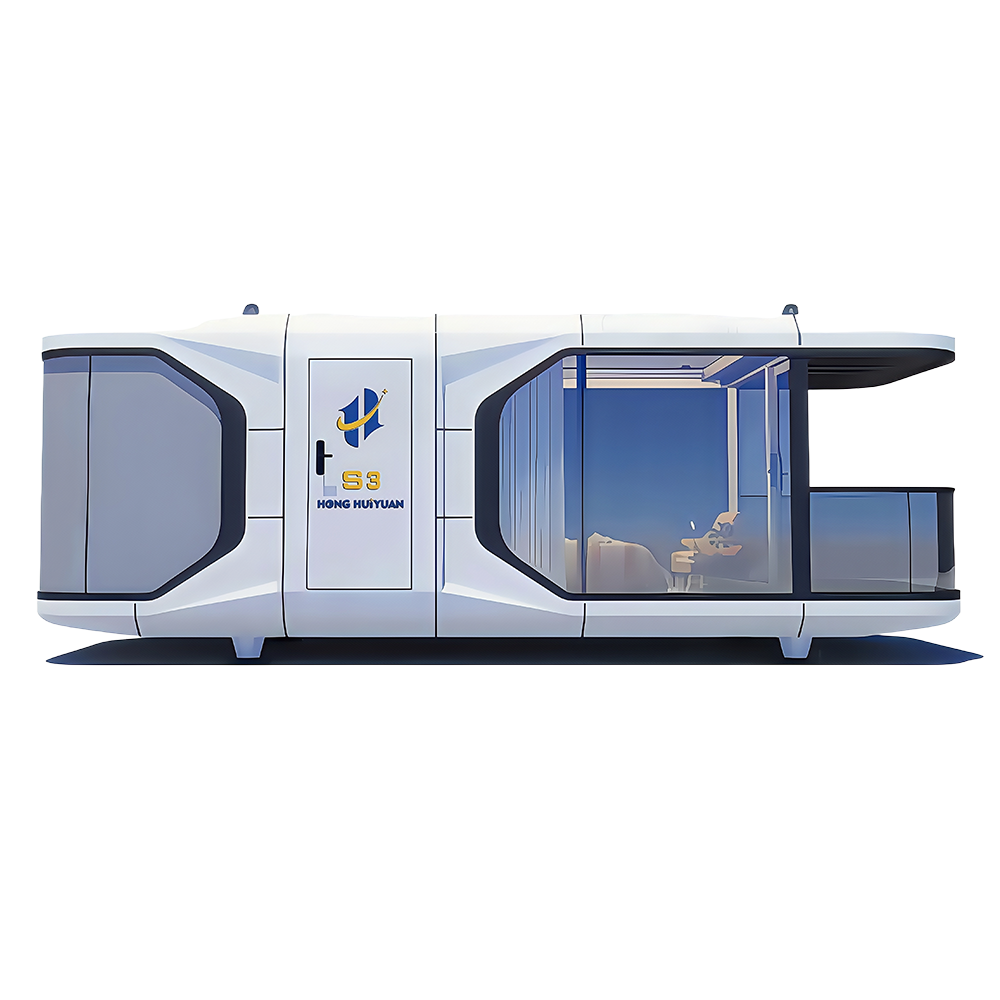
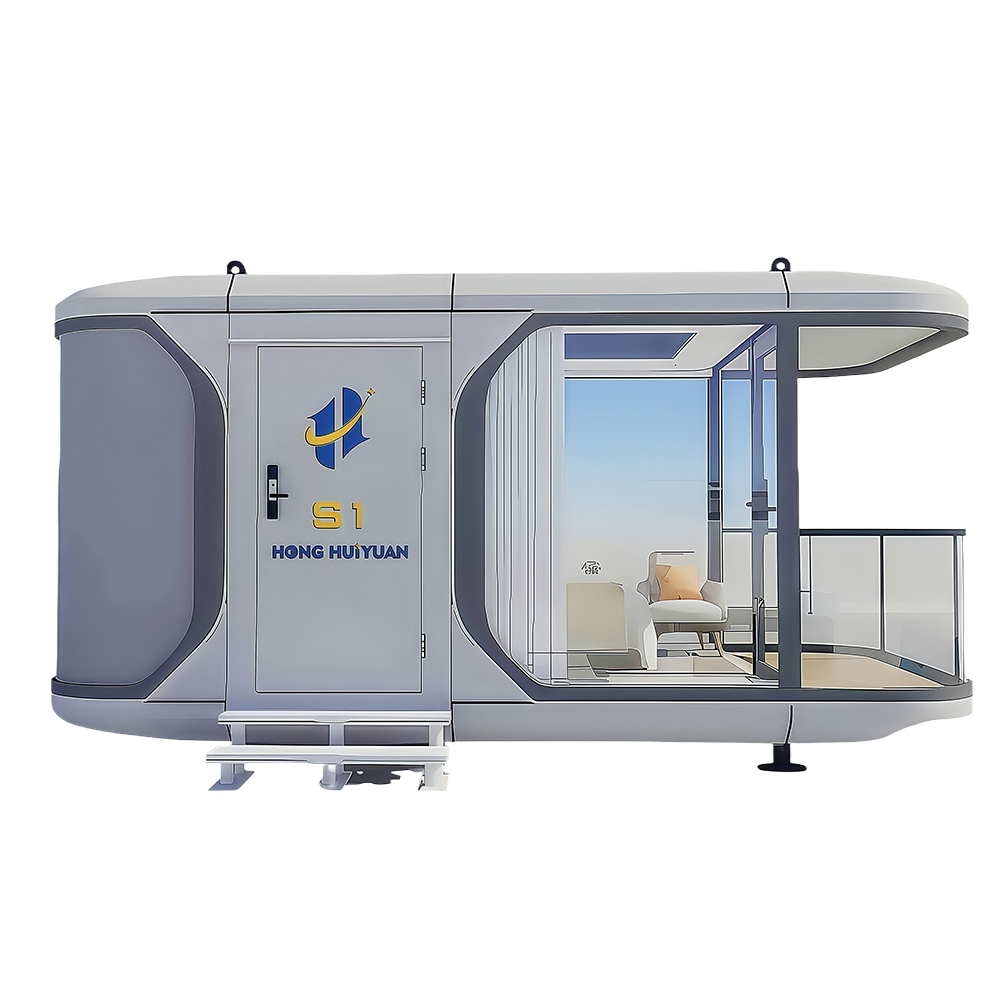
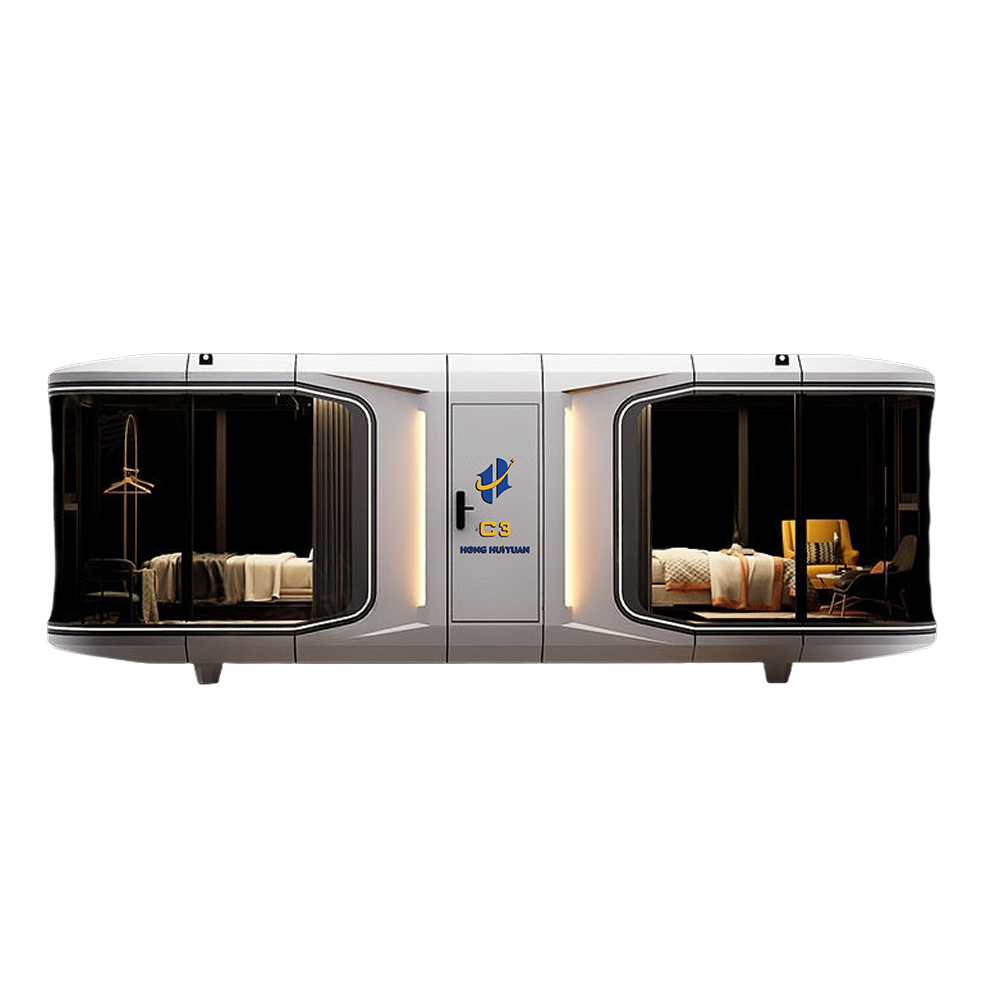
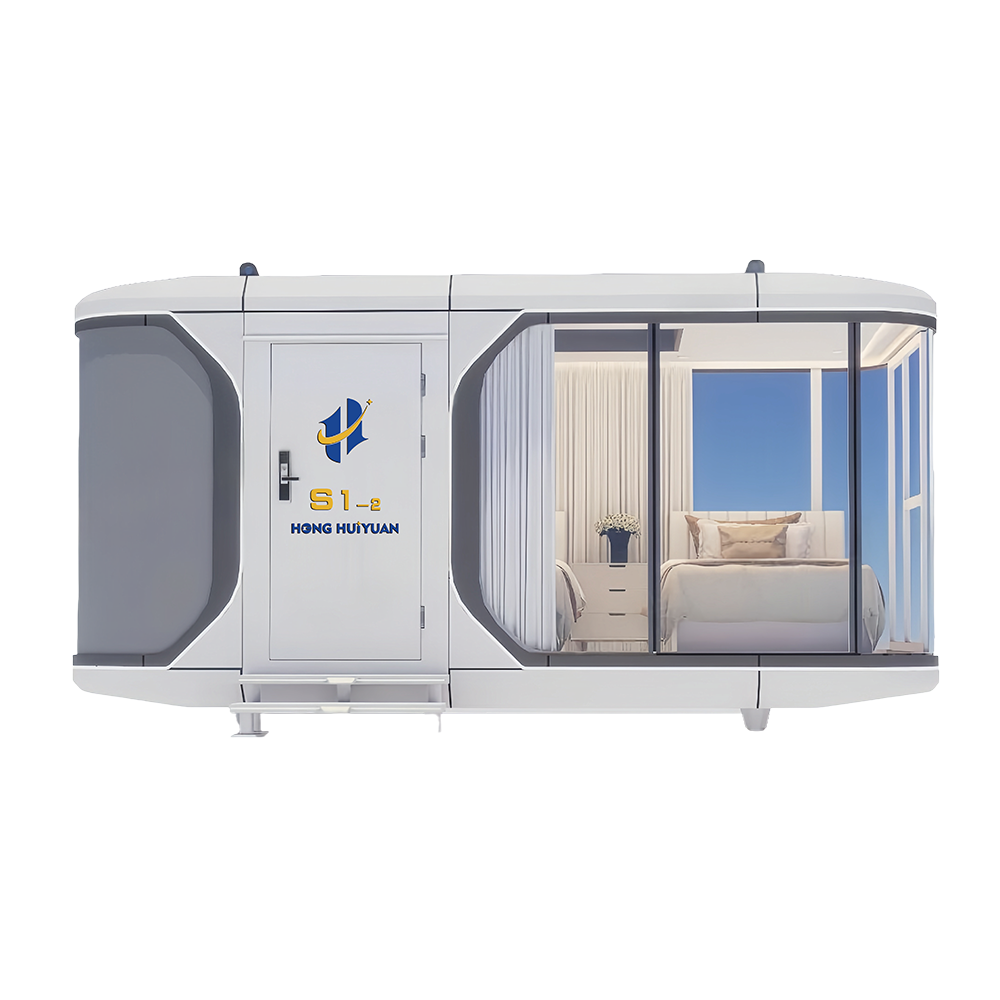
Smart living pods are compact, modular housing units that combine space efficiency, integrated technology, and flexible deployment. They are widely used in residential, commercial, and temporary accommodation scenarios where fast installation and optimized space utilization are required.
In practical terms, smart living pods provide a scalable solution for modern housing challenges, especially in high-density urban areas, remote project sites, and mobile living environments. Their value lies in combining prefabricated structures with intelligent control systems and efficient interior layouts.
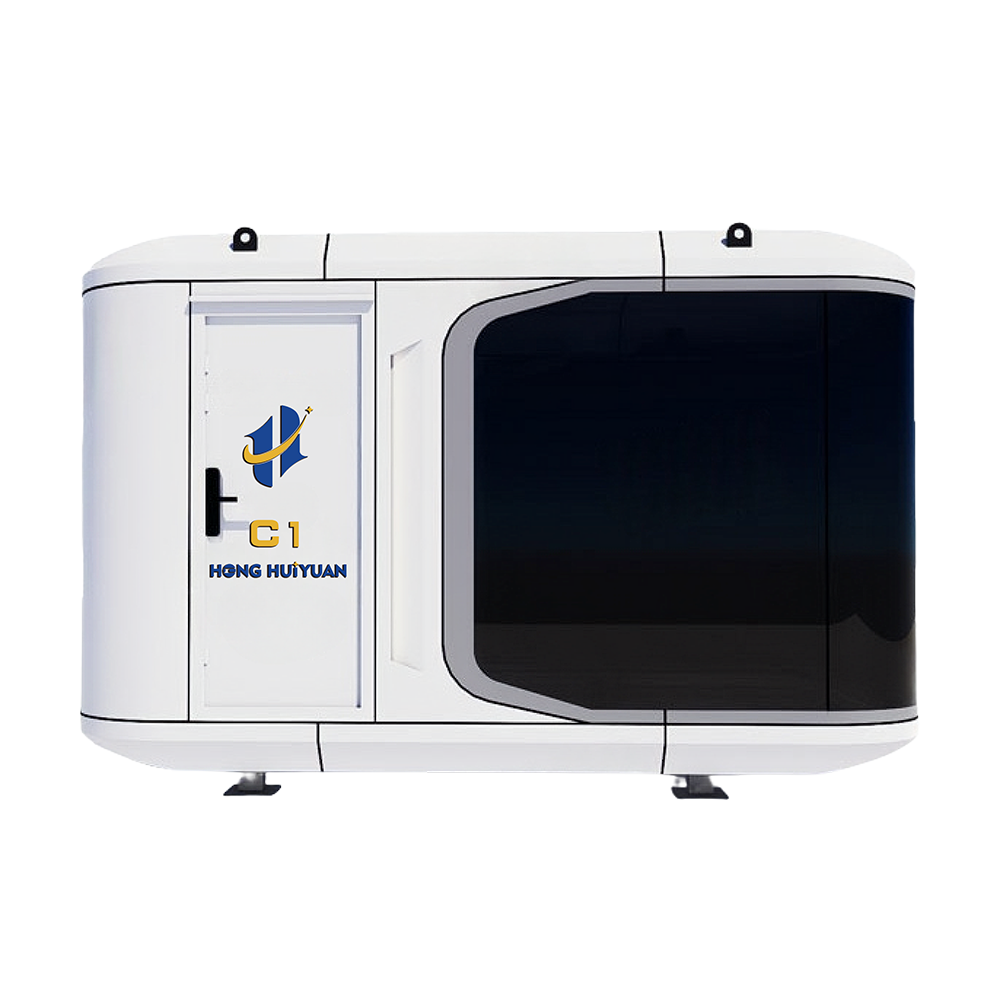
Smart living pods are typically built using prefabricated structural systems that allow rapid assembly and consistent quality. The structure is designed to integrate mechanical, electrical, and digital systems within a limited footprint.
Most smart living pods range from 10 square meters to 40 square meters, depending on application requirements. Compact units are used for single occupancy, while larger modules can support multi-functional living spaces.
A defining feature of smart living pods is the integration of intelligent control systems. These systems improve usability, energy management, and overall living experience.
Smart systems can reduce energy consumption by 15 percent to 30 percent through optimized usage patterns, automatic shutdown features, and efficient insulation design.
Efficient use of space is a core principle in smart living pod design. Every component is arranged to maximize usability within a compact footprint.
These design approaches allow a small living pod to support daily functions such as sleeping, working, cooking, and hygiene within a limited area.
Smart living pods are used across a wide range of industries and environments due to their flexibility and fast deployment capabilities.
| Application | Purpose | Key Advantage |
|---|---|---|
| Urban housing | Compact living | Space efficiency |
| Construction sites | Temporary accommodation | Fast deployment |
| Tourism and resorts | Eco lodging | Mobility and flexibility |
| Emergency housing | Disaster response | Rapid installation |
Smart living pods offer measurable advantages compared to traditional construction methods, especially in terms of speed, cost control, and scalability.
These advantages make smart living pods suitable for both temporary and semi-permanent infrastructure projects.
Selecting the appropriate smart living pod requires evaluating technical and operational requirements based on the intended use scenario.
Careful selection ensures that the smart living pod aligns with operational needs while maintaining efficiency and long-term usability.

 Contact Us
+86-137 5820 5685
+86-571 8550 0659
 Send An E-mail
Building 4, No. 2, Shuyun Road, Yuhang District, Hangzhou City, Zhejiang Province, China
 Mobile

 English
 Español
 عربى
عربى