2026.04.10
Content
Prefab homes are residences built using prefabrication methods where structural components are manufactured off-site in controlled factory environments before transportation to final building locations. This construction approach reduces on-site labor by 50-70% compared to traditional stick-building while accelerating project completion timelines from months to weeks. Prefabricated houses encompass diverse architectural styles and quality levels, from basic manufactured housing to luxury custom modular estates exceeding 5,000 square feet.
The fundamental distinction separating prefab homes from site-built construction lies in the manufacturing location rather than material quality or design flexibility. Modern prefabricated houses utilize identical building materials, dimensional lumber, engineered wood products, and structural steel employed in conventional construction, often with superior precision due to factory tooling and climate-controlled assembly conditions.
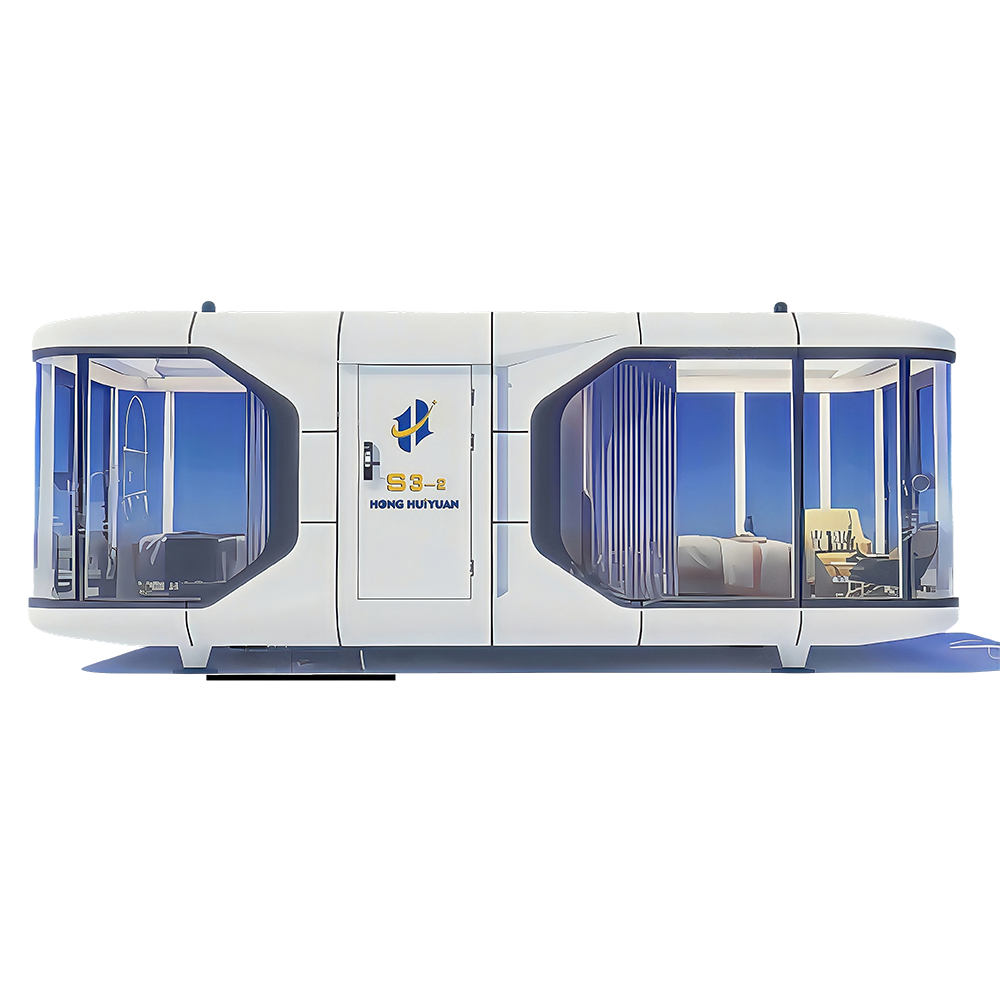
Prefab homes categories reflect structural methodology, transportation constraints, and regulatory classifications rather than aesthetic differences. Understanding these distinctions clarifies financing options, zoning compliance, and long-term value considerations.
Modular homes represent the most permanent and structurally integrated prefab category. These houses are constructed in three-dimensional box-like modules complete with interior finishes, electrical systems, and plumbing rough-ins. Modules typically measure 12-16 feet wide and 40-70 feet long to accommodate highway transportation regulations. Once craned onto permanent foundations and joined together, modular homes become indistinguishable from site-built structures and appreciate similarly to traditional real estate.
Modular construction achieves 90% completion in factory settings, with final on-site work limited to module connection, utility hookups, and exterior finishing. This method supports multi-story configurations, complex rooflines, and fully customized floor plans. Building codes for modular homes follow the same International Residential Code standards applied to site-built housing, ensuring equivalent structural performance and safety.
Panelized construction ships flat wall, floor, and roof panels to building sites for assembly on permanent foundations. Unlike modular three-dimensional units, panels require extensive on-site labor for erection and interior finishing. This approach offers design flexibility exceeding modular methods while still reducing construction time by 30-40% through pre-cut components and pre-installed windows or doors.
Structural insulated panels represent an advanced panelized subtype featuring rigid foam insulation sandwiched between oriented strand board sheathing. SIP construction achieves R-values of R-15 to R-50 depending on thickness, significantly exceeding conventional stick-frame insulation performance. Air infiltration rates in SIP homes measure 40-60% lower than standard construction, reducing heating and cooling costs substantially.
Pre-cut homes deliver factory-measured and labeled materials requiring on-site cutting and assembly according to provided plans. This category includes log home kits, timber frame packages, and dome home components. While offering minimal labor savings compared to other prefab types, pre-cut homes ensure material precision and reduce construction waste to 5-10% versus 20-30% for conventional building sites.
Manufactured homes, historically termed mobile homes, are constructed on permanent steel chassis with wheels for transportation to final sites. Federal HUD Code standards regulate these structures rather than local building codes, creating distinct regulatory and financing categories. Modern manufactured housing has evolved significantly from mid-century trailer stereotypes, with contemporary models offering 2,000+ square feet, cathedral ceilings, and upscale finishes at $50-80 per square foot construction costs.
Movable homes within this category retain transport capability throughout their lifespan, though most are rarely relocated after initial placement. Double-wide and triple-wide configurations join multiple sections on-site to create spacious layouts comparable to modest site-built homes. Depreciation characteristics and personal property titling rather than real estate classification differentiate manufactured homes from appreciating modular alternatives.
Selecting among prefab home types requires evaluating timeline, cost, customization, and permanence priorities.
| Characteristic | Modular | Panelized | Pre-Cut | Manufactured |
|---|---|---|---|---|
| Factory Completion | 85-90% | 40-50% | 15-25% | 95-100% |
| On-Site Construction Time | 1-2 months | 3-5 months | 4-6 months | 1-3 days |
| Design Flexibility | High | Very High | Moderate | Limited |
| Foundation Requirement | Permanent | Permanent | Permanent | Permanent or Pier |
| Building Code | IRC Local | IRC Local | IRC Local | HUD Federal |
| Financing | Conventional Mortgage | Conventional Mortgage | Construction Loan | Chattel or FHA |
| Cost Per Square Foot | $100-200 | $90-160 | $80-140 | $50-100 |
| Appreciation Potential | Similar to Site-Built | Similar to Site-Built | Similar to Site-Built | Depreciates |
Factory construction environments deliver measurable quality improvements impossible to replicate consistently on outdoor building sites. Climate control eliminates moisture-related warping, swelling, and mold growth during critical framing and finishing stages. Precision cutting equipment achieves tolerances of plus or minus 1/16 inch, ensuring square corners, level floors, and properly fitting joints that reduce air infiltration and structural stress.
Centralized material purchasing and computer-aided design nesting algorithms minimize waste generation. Prefab factories typically divert 80-90% of construction debris from landfills through recycling programs and bulk material handling. Lumber waste drops to 2-5% of material volume versus 15-25% for site-built homes, reducing both environmental impact and material costs passed to consumers.
Assembly line techniques and specialized workstations enable skilled tradespeople to focus on specific tasks without weather delays or travel between scattered job sites. Factory environments reduce workers compensation claims by 50-70% compared to site-built construction through climate control, ergonomic workstations, and elimination of fall hazards from multi-story scaffolding. These safety improvements translate to lower insurance costs and more stable skilled labor retention.
Contemporary prefab home applications extend far beyond traditional single-family residential construction, addressing urgent housing challenges through innovative deployment strategies.
Modular ADUs provide rapid housing expansion in dense urban areas with restrictive zoning. Factory-built units measuring 400-1,200 square feet install on existing residential lots within days, creating rental income opportunities or multigenerational living spaces. California jurisdictions processed over 20,000 ADU permit applications in 2022, with modular construction representing the fastest deployment method for compliant, code-approved units.
Rapidly deployable prefab structures provide immediate shelter following natural disasters. Flat-pack designs ship 4-6 units per standard truck, enabling efficient logistics to remote affected areas. Modern emergency prefab units incorporate insulation, climate control, and durable finishes suitable for 5-10 year occupancy during reconstruction periods, transcending temporary tent cities of previous disaster responses.
Hotels, student housing, and workforce accommodations increasingly utilize modular construction for repetitive room configurations. Marriott International committed to 13% modular construction for North American projects, reducing construction schedules by 30-50% and enabling earlier revenue generation. The consistent quality and accelerated timelines particularly benefit hospitality sectors where construction delays directly impact projected returns.
Early prefab homes suffered reputation damage from uniform, low-quality manufactured housing of mid-century decades. Contemporary prefabricated houses shatter these stereotypes through architectural diversity and premium material specifications.
Modern modular homes accommodate any architectural style from farmhouse to contemporary, Mediterranean to minimalist. Roof pitches, exterior cladding materials, window configurations, and interior layouts customize identically to site-built alternatives. Multi-story modular construction stacks modules vertically to 4-5 stories in some jurisdictions, while sprawling ranch designs utilize horizontal module arrangements with seamless rooflines concealing connection points.
Factory environments facilitate advanced sustainable technology integration difficult to retrofit into existing structures. Solar panel mounting systems, rainwater collection infrastructure, and high-performance HVAC equipment install during manufacturing with optimal placement and sealing. Net-zero prefab homes achieving HERS Index scores below 20 demonstrate that factory efficiency enhances rather than compromises environmental performance.
Prefab home delivery requires careful logistical coordination distinct from conventional material supply chains.
Road-legal width restrictions of 12-16 feet limit module dimensions, influencing floor plan designs and connection strategies. Wider modules require police escorts, special permits, and restricted travel times, increasing transportation costs 30-50%. Designers optimize room widths to standard module dimensions, placing bathrooms, closets, and utility chases at module junctions where structural walls naturally occur.
Modular installation requires heavy-lift cranes with capacities of 30-100 tons depending on module weight and reach requirements. Set day scheduling demands precise coordination between crane operators, module transport trucks, and weather windows. A typical modular home installation places 2-6 modules within a single day, after which the structure is weather-tight and secure, minimizing exposure risks during critical construction phases.
Prefab home classification significantly impacts regulatory compliance, insurance availability, and lending options.
Modular, panelized, and pre-cut homes comply with International Residential Code standards administered by local building departments. Inspections occur both in-factory and on-site, with final certificates of occupancy identical to site-built homes. Manufactured homes follow federal HUD Code standards with separate inspection protocols, creating distinct regulatory pathways that affect zoning eligibility in some jurisdictions.
Permanent modular homes qualify for conventional mortgages, FHA loans, and VA financing with identical terms to site-built housing. Manufactured homes on permanent foundations may qualify for real property financing, while chattel loans at higher interest rates apply to movable installations. Homeowners insurance rates for modular homes mirror site-built equivalents, while manufactured home policies may carry higher premiums or limited coverage options depending on age and foundation type.
Emerging technologies promise to expand prefab home capabilities while reducing costs and environmental footprints.
Advanced robotics enable complex tasks including plumbing rough-in, electrical installation, and finish carpentry within factory settings. Automated drywall finishing, precision tile setting, and robotic painting improve consistency while reducing repetitive strain injuries among manufacturing workers. These technologies will further compress construction timelines and address skilled labor shortages affecting residential construction sectors.
Cross-laminated timber and other engineered wood products integrate seamlessly with prefab manufacturing processes. CLT panels provide structural strength exceeding concrete in specific applications while sequestering atmospheric carbon. Prefab factories processing mass timber achieve precision cutting and connection detailing that maximizes material performance and enables architectural expressions previously restricted to concrete and steel construction.
Prefab homes have evolved from marginal alternatives to mainstream construction methodologies addressing quality, speed, and sustainability demands. Modular prefab homes offer permanent housing indistinguishable from site-built construction while manufactured homes provide affordable ownership pathways for budget-constrained buyers. Panelized and pre-cut methods balance customization with efficiency for unique architectural visions.
The distinction between prefabricated and site-built construction continues blurring as hybrid methods combine factory efficiency with on-site customization. For prospective homeowners, developers, and housing agencies, understanding the types of prefab homes enables informed selection matching project requirements with appropriate construction methodologies. As housing affordability challenges intensify and environmental performance standards tighten, prefabrication's controlled manufacturing advantages position these methods for expanded market adoption across residential and commercial sectors.

 Contact Us
+86-137 5820 5685
+86-571 8550 0659
 Send An E-mail
Building 4, No. 2, Shuyun Road, Yuhang District, Hangzhou City, Zhejiang Province, China
 Mobile

 English
 Español
 عربى
عربى