2026.04.15
Content
Prefab homes — short for prefabricated homes — are residential structures built largely or entirely in a factory setting, then transported to a site for final assembly. Unlike conventional construction, where every component is built on-site from scratch, prefab homes arrive as finished modules, panels, or kits, dramatically compressing the build timeline and reducing material waste.
The core advantage is factory-controlled quality. Because structural components are assembled under consistent indoor conditions, prefab homes are less susceptible to weather delays, on-site errors, and material inconsistencies that plague traditional builds. Studies show prefab construction can cut build time by 30–50% compared to site-built equivalents.
Prefab is not a synonym for cheap or temporary. Modern prefab homes span a wide spectrum — from affordable starter modules to architect-designed luxury residences — and are subject to the same local building codes and zoning regulations as any permanent structure.
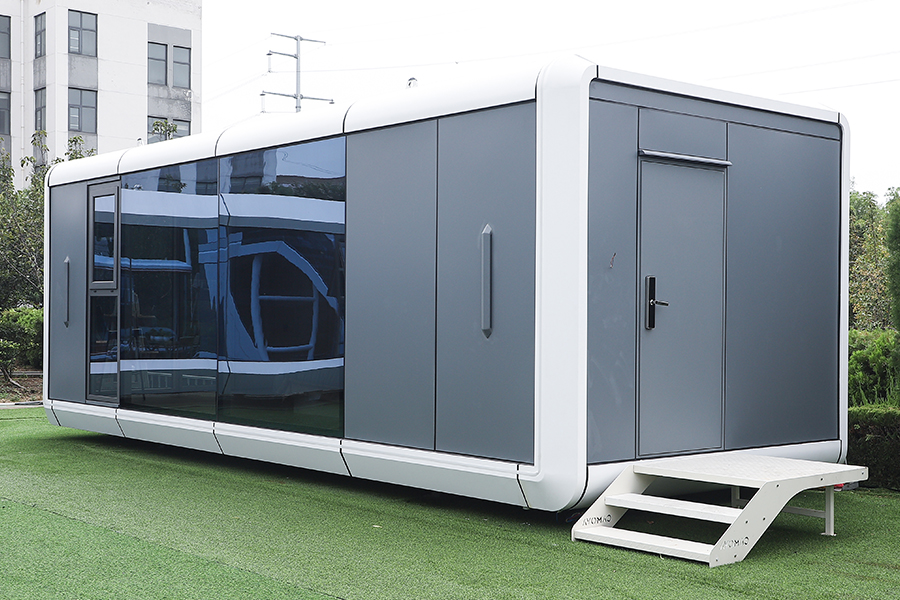
The prefab category encompasses several distinct construction methods, each with its own structural logic, cost profile, and design flexibility.
Modular homes are built in three-dimensional sections (modules) at a factory and assembled on a permanent foundation at the build site. Each module is fully finished — insulation, wiring, plumbing, and interior finishes are completed before shipping. Once joined, a modular home is structurally indistinguishable from a site-built house and is classified as real property.
In panelized construction, flat wall, floor, and roof panels are prefabricated and shipped flat to the site, where a crew assembles them. This method offers greater design flexibility than modular and is well-suited to custom floor plans, though on-site labor requirements are higher.
Manufactured homes are built entirely in a factory on a permanent steel chassis and transported to the site. They are regulated at the federal level by HUD (U.S. Department of Housing and Urban Development) standards rather than local building codes. While often the most affordable prefab option, they are typically classified as personal property unless permanently affixed to land.
Shipping container homes repurpose standard ISO steel containers as the primary structural unit. Containers can be stacked or combined to create surprisingly spacious layouts. Their industrial aesthetics, inherent structural strength, and availability make them a popular choice for off-grid, coastal, and resort applications.
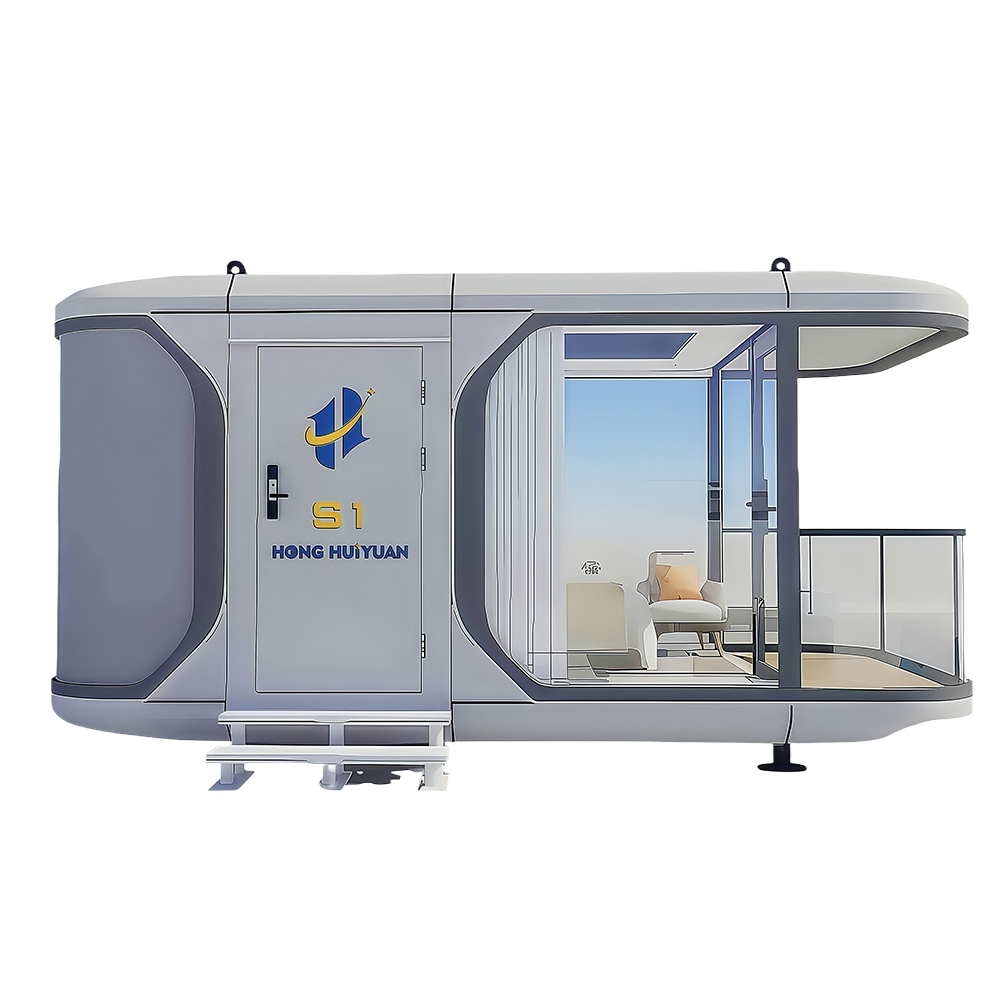
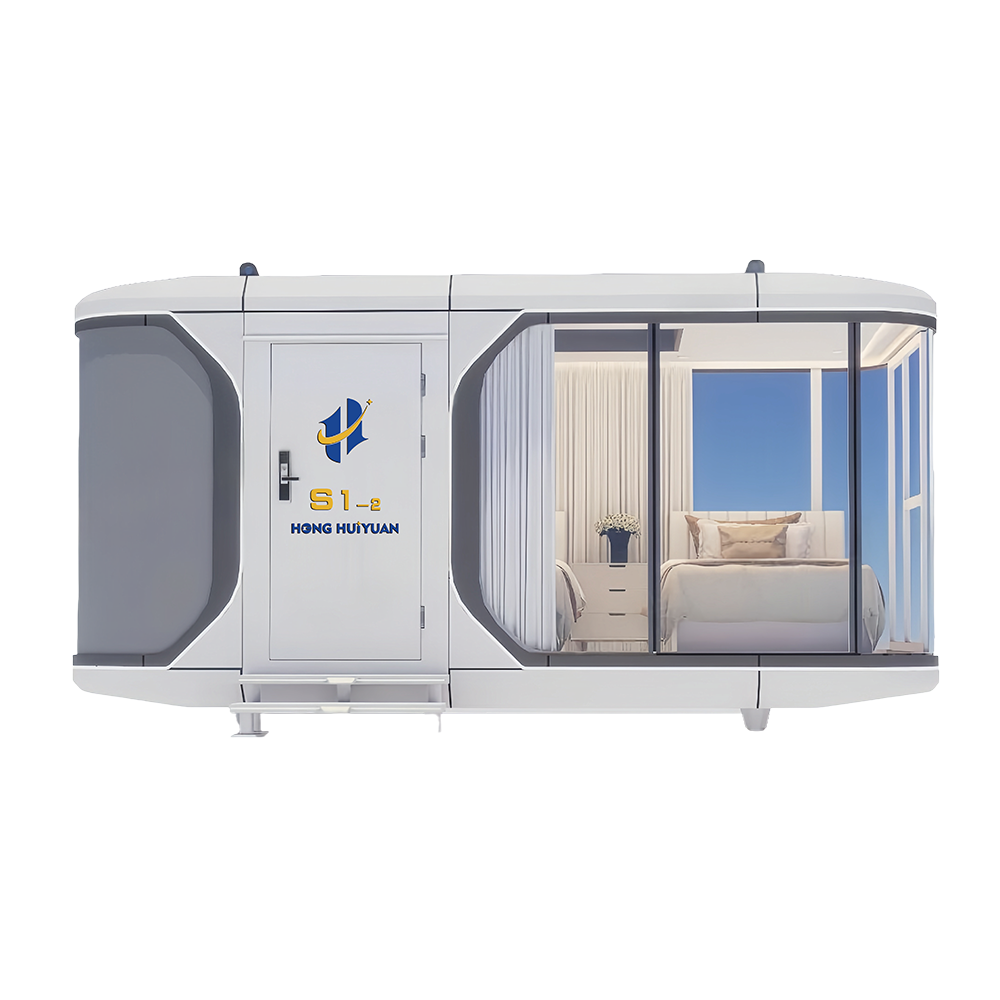
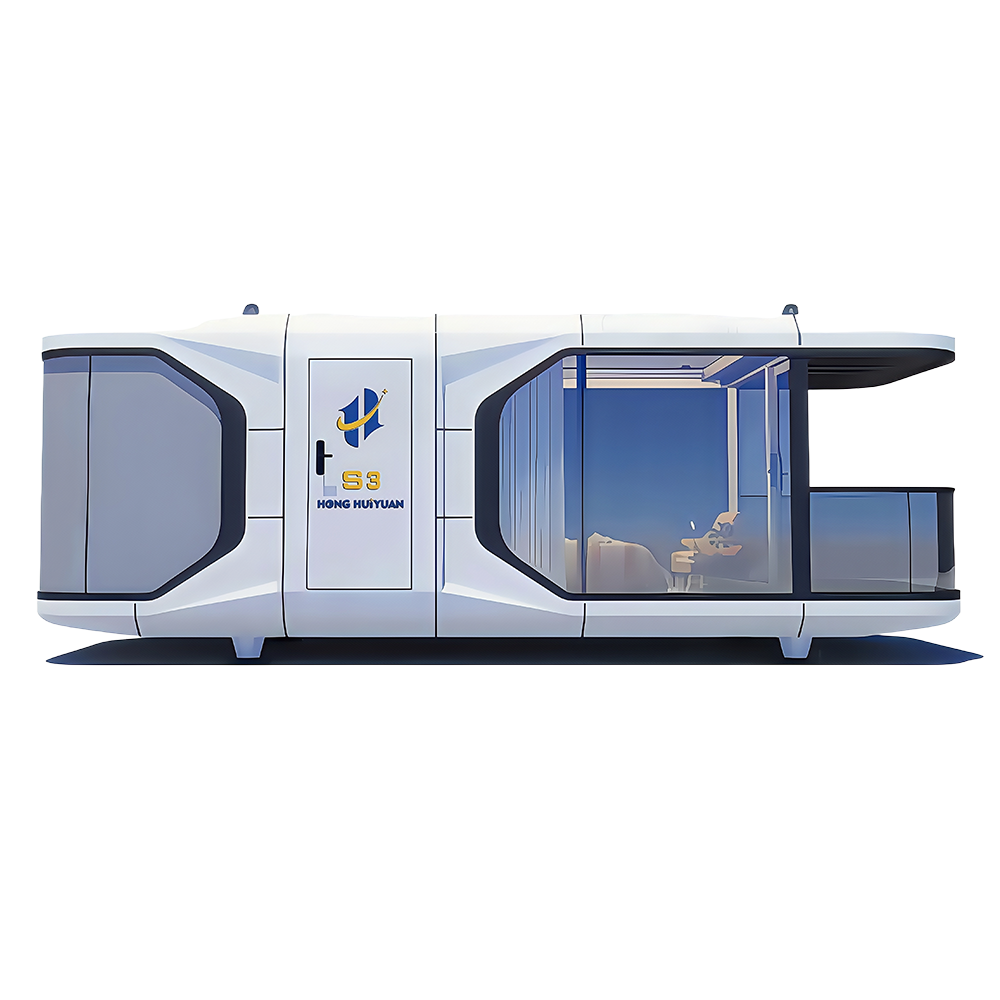
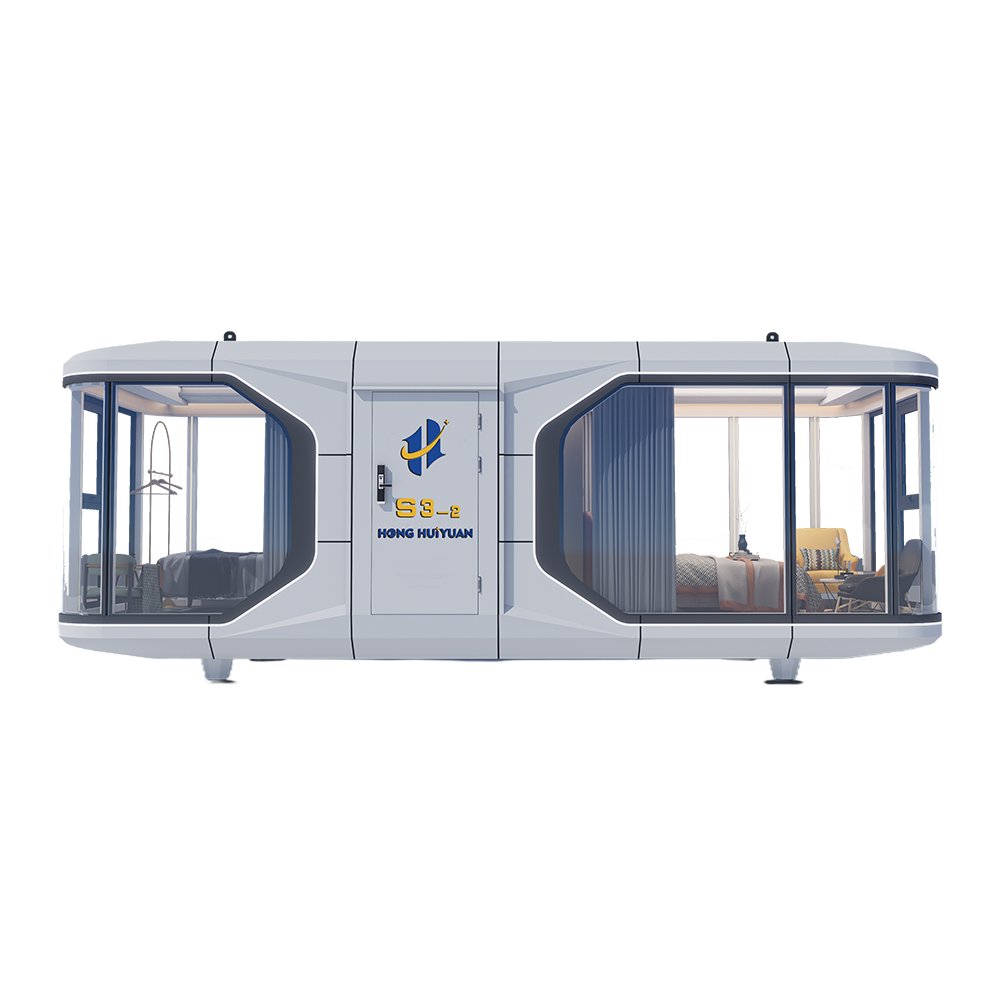
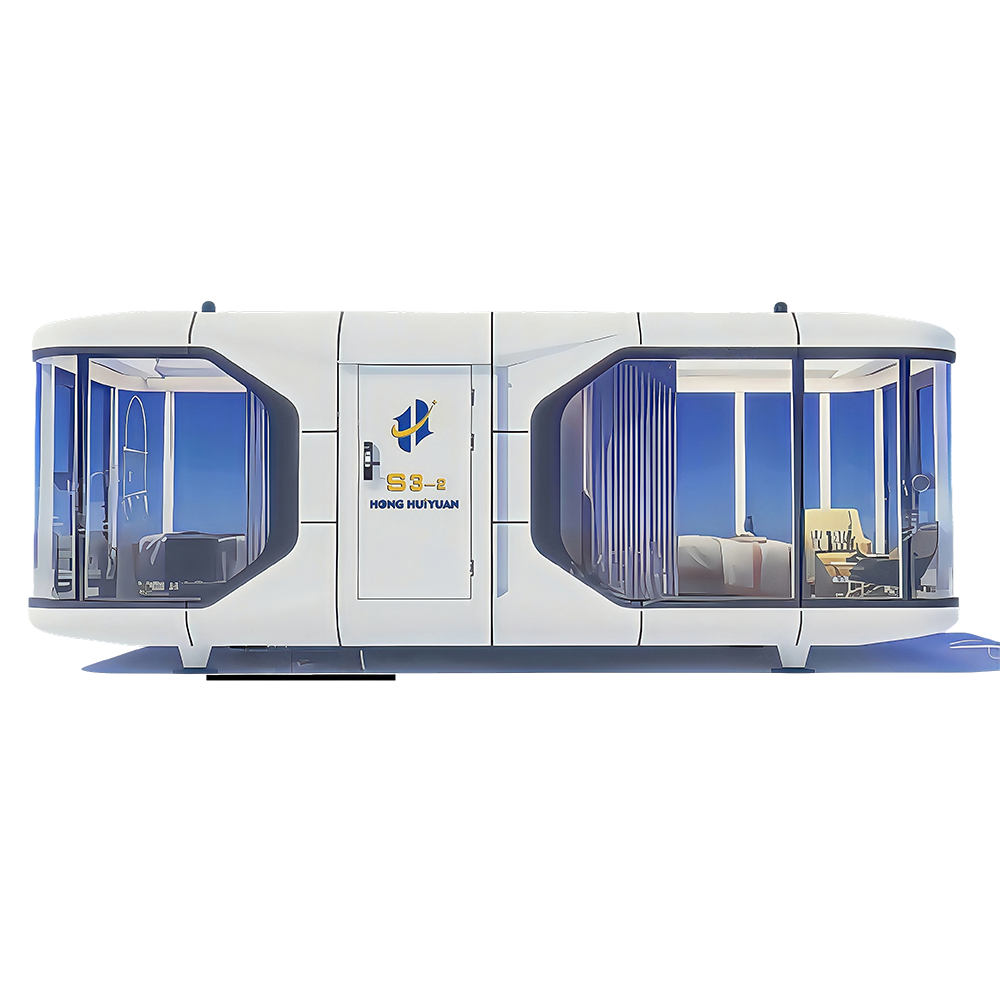
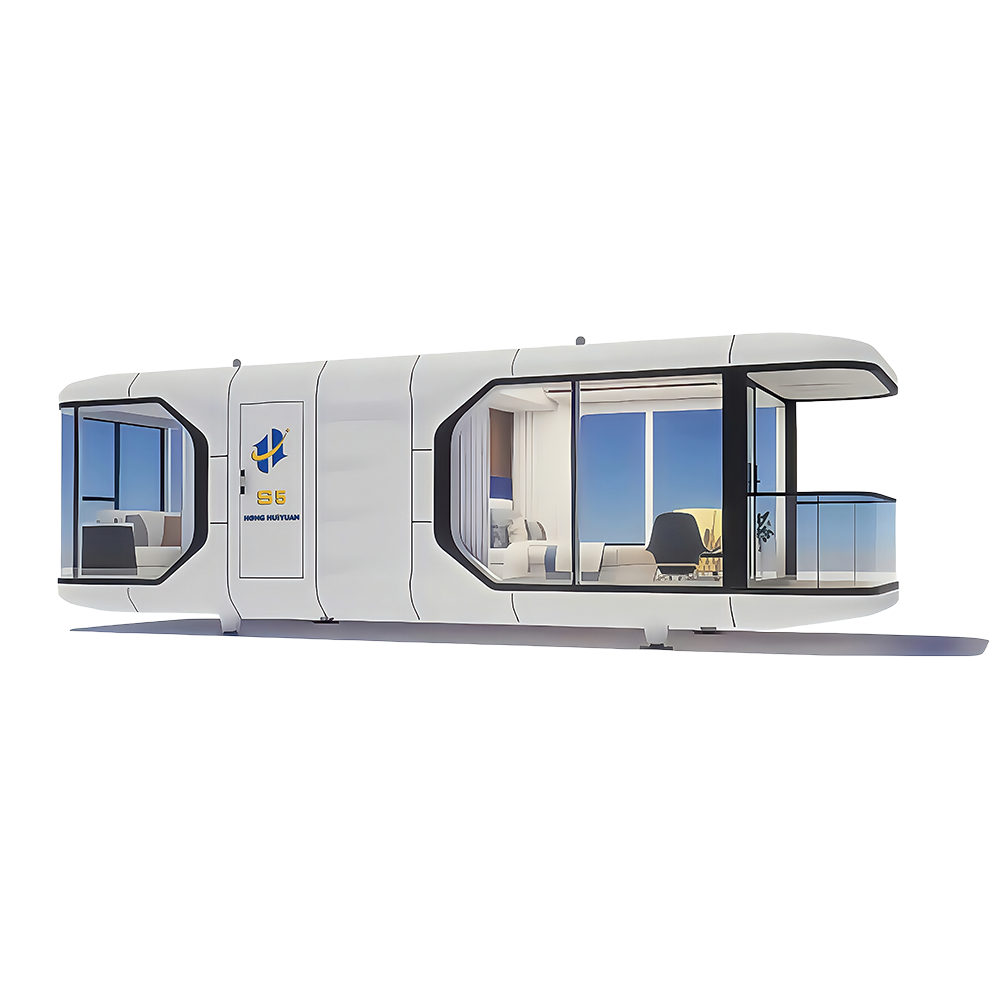
Space capsule homes represent the leading edge of prefab innovation. Inspired by aerospace and pod-hotel design, these compact, self-contained units are fully integrated at the factory — structural shell, insulation, MEP systems, smart controls, and interior finishes are assembled as a single product. They are designed for rapid deployment on minimal foundations and are optimized for glamping resorts, eco-tourism sites, urban micro-living, and disaster-relief housing. Their turnkey nature means a unit can be operational within days of delivery, making them uniquely attractive for hospitality investors seeking fast ROI.
| Type | Foundation Required | Design Flexibility | Typical Use Case | Avg. Cost/sq ft (US) |
|---|---|---|---|---|
| Modular | Yes (permanent) | High | Primary residence | $100–$200 |
| Panelized | Yes | Very High | Custom homes | $120–$220 |
| Manufactured | Optional | Moderate | Affordable housing | $60–$100 |
| Container | Minimal | Moderate | Vacation / off-grid | $80–$150 |
| Space Capsule | Minimal | Low–Moderate | Hospitality / glamping | $150–$300+ |
The U.S. modular and prefab housing market has entered a sustained growth cycle, driven by a chronic shortage of affordable housing, rising site-built construction costs, and growing acceptance of factory-built quality among lenders, appraisers, and buyers.
The U.S. prefab/modular construction market was valued at approximately $47 billion in 2023 and is projected to grow at a CAGR of 6–7% through 2030, according to industry research from Grand View Research and McKinsey. Modular homes currently account for roughly 3–4% of new single-family starts nationally, a share that has been rising steadily as builder capacity expands.
Key demand drivers include:
The hospitality segment deserves special mention. Glamping and boutique outdoor resort operators have become significant buyers of prefab pods and space capsule units, attracted by the speed-to-revenue advantage and the distinctive visual appeal these structures offer over conventional cabins.
From an investment standpoint, factory-built homes present a compelling case — both for developers building at scale and for individual buyers seeking maximum value per dollar spent.
Factory production eliminates several major cost leaks in traditional construction: weather-related delays, material theft and spoilage, and the premium charged by local subcontractors. Bulk material purchasing at the factory level further reduces per-unit input costs. Developers routinely report 10–20% savings on total project cost when shifting from site-built to modular delivery — savings that flow directly to margin or competitive pricing.
Because factory production and site preparation occur simultaneously, overall project timelines shrink dramatically. A modular home that would take 12–18 months to build conventionally can be site-ready in 4–6 months. For an STR investor, that means 6–12 additional months of revenue in the first operating year — a material difference in IRR calculations.
Prefab contracts are typically fixed-price before construction begins. This eliminates the cost overruns that afflict site-built projects — where change orders, material price spikes, and labor shortages routinely push budgets 15–30% over initial estimates. For institutional investors and lenders, the predictability of prefab budgets is a significant underwriting advantage.
Modern prefab homes — especially space capsule and modular units designed for the premium market — integrate high-performance insulation, triple-glazed windows, and smart HVAC systems as standard. Factory installation ensures tighter building envelopes than hand-built equivalents. Energy costs in well-specified prefab units can run 20–40% lower than comparable site-built homes, improving both occupant appeal and net operating income for rental properties.
Once a prefab design is proven and permitted in a jurisdiction, replicating it across a portfolio is straightforward. Resort developers, affordable housing nonprofits, and build-to-rent operators have all leveraged this replicability to scale projects efficiently — deploying the same unit type across multiple sites without repeating the design-and-engineer cycle for each location.
Of all prefab categories, space capsule homes are experiencing the most rapid growth in investor interest. The format — a self-contained, visually distinctive pod unit — addresses several converging market demands simultaneously.
On the supply side, space capsule manufacturers have invested heavily in structural engineering, weather resistance, and interior refinement. Units are now available with full bathroom pods, smart home integration, panoramic glazing, and off-grid power packages — features that command premium nightly rates on booking platforms.
On the demand side, travelers increasingly seek experiential accommodation over conventional hotel rooms. Platforms like Airbnb and Hipcamp report that unique stays consistently outperform traditional listings by 2–3x on nightly rate and occupancy in comparable locations. A well-positioned space capsule resort can achieve ADRs (average daily rates) of $150–$500+ per unit — returns that make the higher upfront cost per square foot economically rational.
Deployment flexibility is another critical advantage. Space capsule units typically require only minimal ground anchoring or a simple concrete pad, making them viable on terrain — hillsides, forest edges, lakefronts — where conventional construction would be prohibitively expensive or environmentally disruptive. This opens a class of high-amenity locations that would otherwise remain unmonetized.
For developers evaluating prefab options, space capsule homes offer a rare combination: differentiated product, fast deployment, strong unit economics, and a growing installed base of comparable properties to benchmark against. As the glamping and micro-resort sector matures, early-mover operators who establish well-designed capsule properties in desirable locations are positioned to capture outsized returns before the market equilibrates.

 Contact Us
+86-137 5820 5685
+86-571 8550 0659
 Send An E-mail
Building 4, No. 2, Shuyun Road, Yuhang District, Hangzhou City, Zhejiang Province, China
 Mobile

 English
 Español
 عربى
عربى