2026.08.24
Content
Selecting the right modular cabin for a resort development means balancing guest experience, site logistics, and long-term operating economics simultaneously — a cabin that looks appealing in isolation can still be the wrong choice if it doesn't suit the site's terrain, the resort's target guest profile, or the practical realities of transport and installation at the specific location. The core selection factors are unit size and layout, structural durability for the local climate, transport and installation logistics, and how well the design fits the resort's overall guest experience positioning.
Because resort projects often deploy multiple identical or near-identical units across a site, small specification decisions get magnified significantly at scale — a unit that's slightly mismatched to site conditions or guest expectations becomes a much larger problem across twenty or fifty units than it would be for a single standalone structure.
Glamping cabins occupy a specific niche within modular accommodation — they need to deliver genuine comfort and hospitality-grade amenities while still preserving the sense of connection to the natural setting that draws guests to a glamping experience in the first place. Balancing built comfort against natural integration is the central design tension in glamping cabin selection, and getting this balance right matters more for guest satisfaction and repeat business than almost any other single factor in the cabin's specification.
Scenic area accommodation carries specific constraints that differ from standard hospitality development — environmental impact restrictions, challenging terrain access, and often a guest expectation that the accommodation itself feels like part of the experience rather than a conventional hotel room simply relocated to a scenic setting. Modular and prefabricated cabins are particularly well suited to scenic area development specifically because they minimize on-site construction disturbance compared to conventional building methods, an important consideration in environmentally sensitive or protected landscape settings where minimizing ground disturbance and construction footprint often carries real regulatory weight.
Site disturbance matters more in scenic areas
Because modular cabins arrive largely pre-built, on-site work is limited mainly to foundation preparation and final assembly — a meaningful advantage in scenic or protected areas where extended construction activity, heavy equipment traffic, and material staging can conflict with environmental protection requirements or simply detract from the natural setting guests are paying to experience.
| Factor | Why It Matters for Outdoor Hospitality |
|---|---|
| Weather resistance | Units are fully exposed to site weather conditions year-round in most outdoor hospitality settings |
| Insulation and climate control | Guest comfort across the site's actual seasonal temperature range |
| Foundation flexibility | Outdoor sites often have uneven or challenging terrain requiring adaptable foundation options |
| Off-grid utility capability | Remote sites may lack conventional utility access, requiring self-contained systems |
| Durability under continuous guest turnover | Hospitality use involves frequent cleaning, guest traffic, and wear beyond typical residential use |
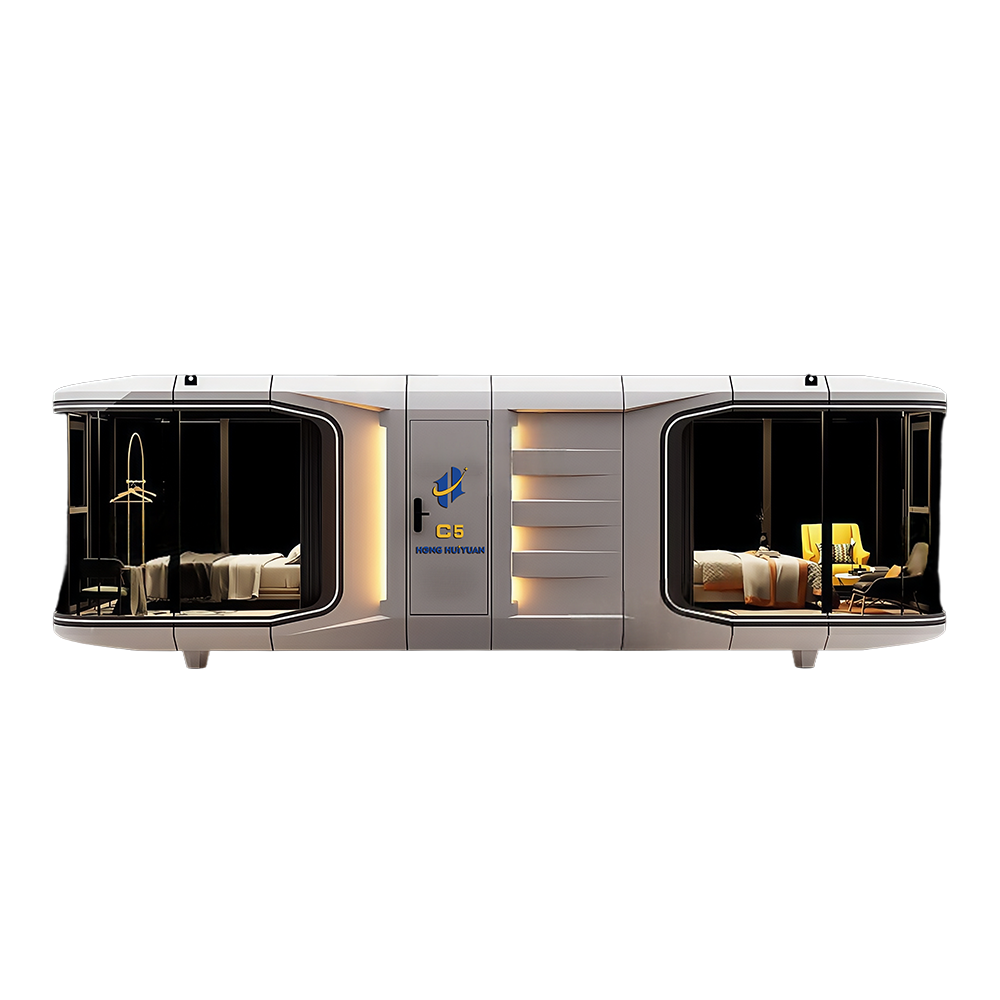
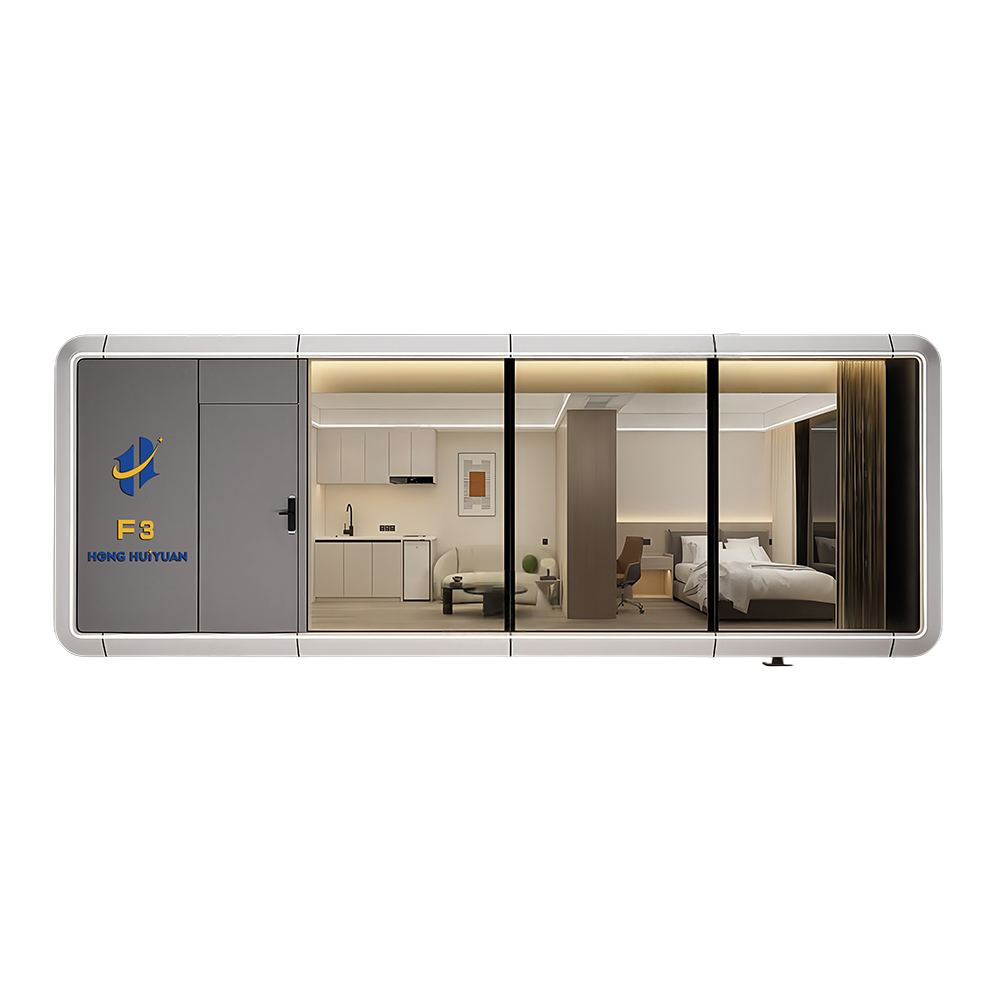
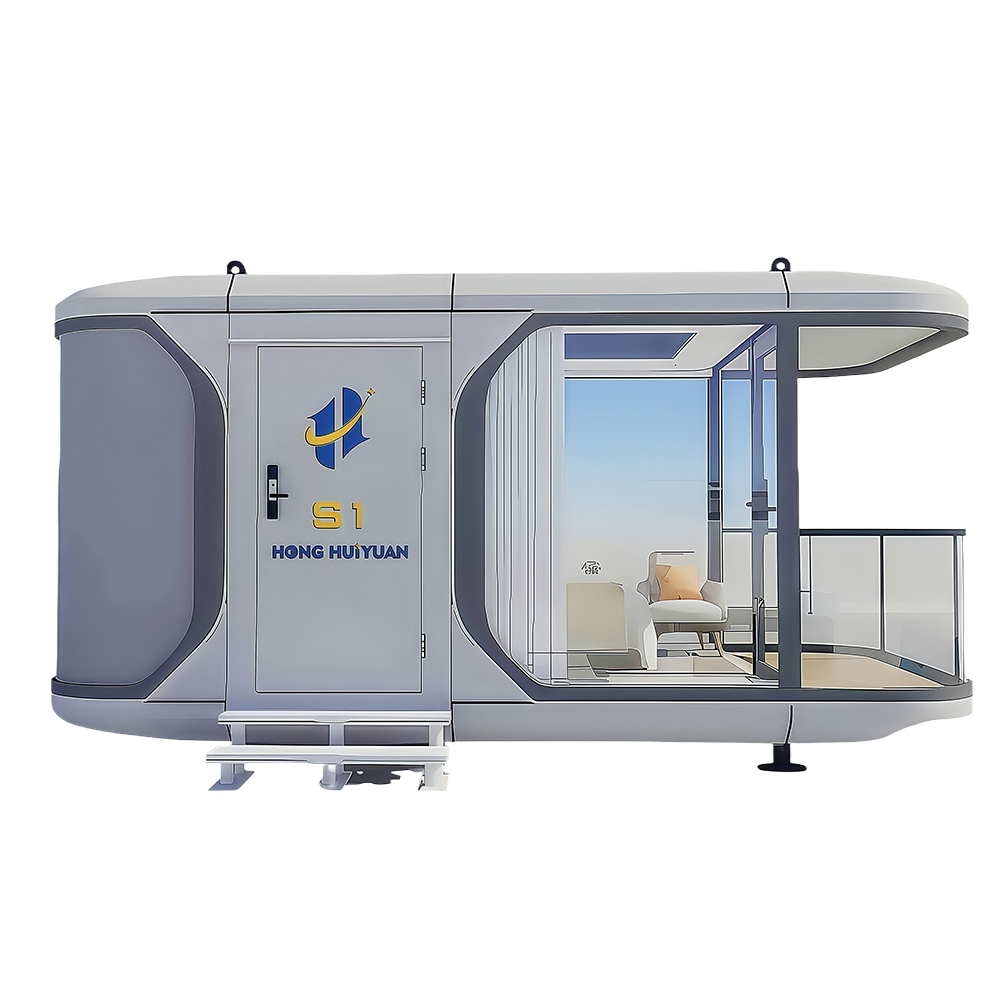
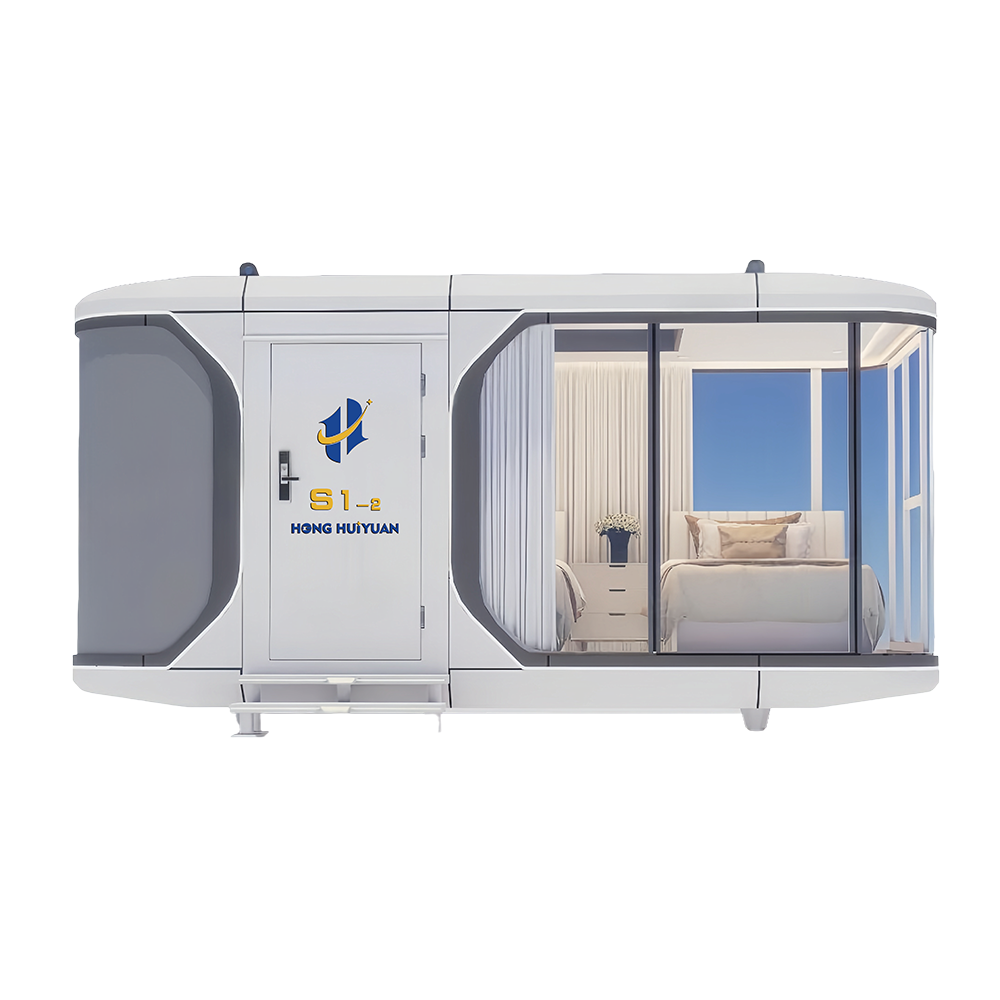
Panoramic cabins — units with extensive glazing designed to maximize views of the surrounding landscape — add specific technical considerations beyond standard modular cabin selection. Glazing performance is the central concern, since large glass surfaces need to balance view quality against thermal performance, privacy, and structural strength; low-emissivity, multi-pane glazing is generally necessary to prevent panoramic units from becoming uncomfortably hot or cold relative to standard-window units in the same climate.
Privacy treatment also requires more careful design in panoramic units than standard cabins, since large glazed surfaces facing toward other units, pathways, or shared amenity areas can compromise guest privacy if site orientation and glazing placement aren't planned carefully — a factor that should influence overall site layout planning, not just individual unit specification.
Resort developments deploying multiple modular units benefit significantly from standardizing on a consistent manufacturer and specification across the project, since this simplifies both the installation process and long-term maintenance — a mixed inventory of different cabin models and suppliers creates ongoing complexity in spare parts, maintenance procedures, and guest experience consistency that a standardized fleet avoids. Working with a manufacturer capable of consistent quality and supply across the full order volume matters more at resort scale than for a single standalone unit, where a single supplier relationship isn't yet tested against the demands of a larger, phased rollout.
Scenic spot deployment often involves challenging site access — narrow roads, steep terrain, or locations without conventional construction vehicle access — which makes transport logistics a genuine constraint on cabin size and design, not just an afterthought handled during project execution. Confirming transport feasibility to the actual site early in the selection process avoids the costly discovery, late in a project, that a preferred cabin design simply can't reach the intended location intact, requiring either a redesign or an expensive alternative transport and assembly approach.
Foundation flexibility is equally important in scenic terrain, since many attractive scenic sites have uneven, sloped, or otherwise non-ideal ground conditions — cabins designed with adaptable foundation systems (adjustable pier foundations, for example, rather than requiring a perfectly level concrete slab) offer significantly more siting flexibility across the varied terrain typical of scenic area development.

 Contact Us
+86-137 5820 5685
+86-571 8550 0659
 Send An E-mail
Building 4, No. 2, Shuyun Road, Yuhang District, Hangzhou City, Zhejiang Province, China
 Mobile

 English
 Español
 عربى
عربى