2026.07.21
Content
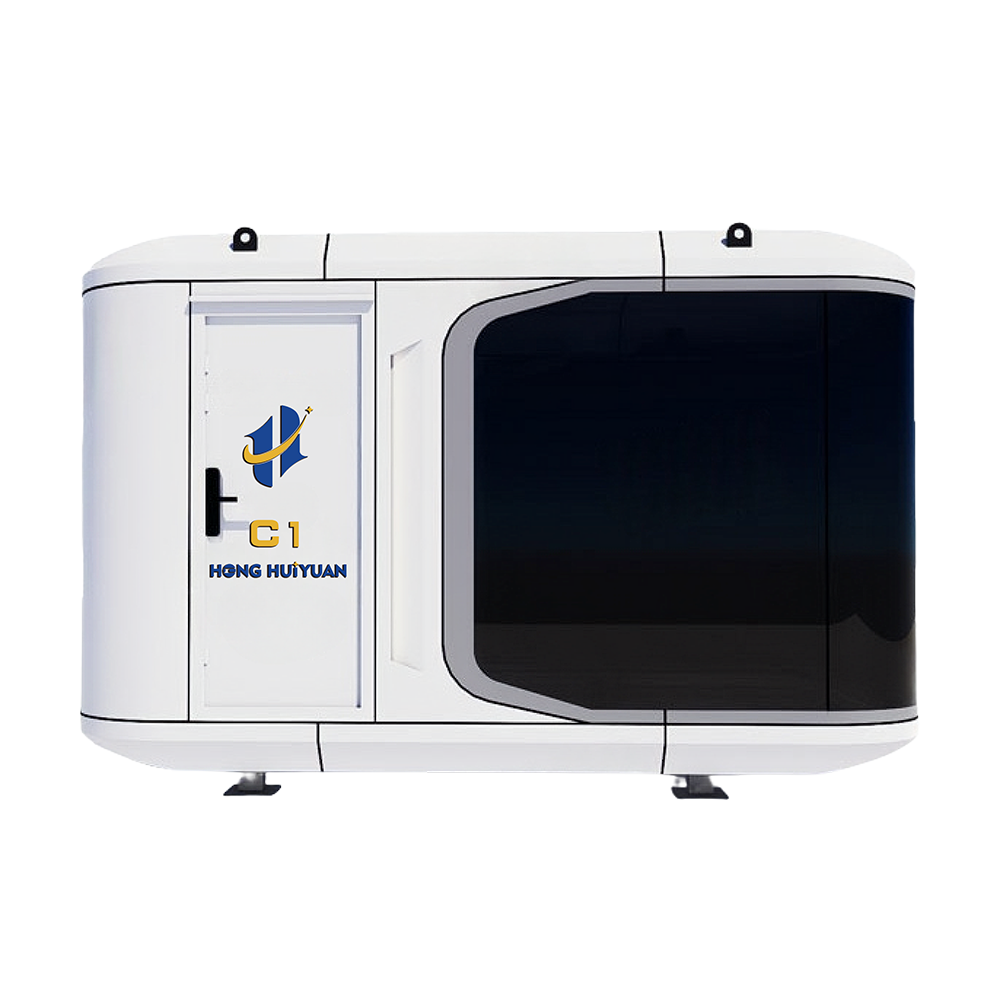
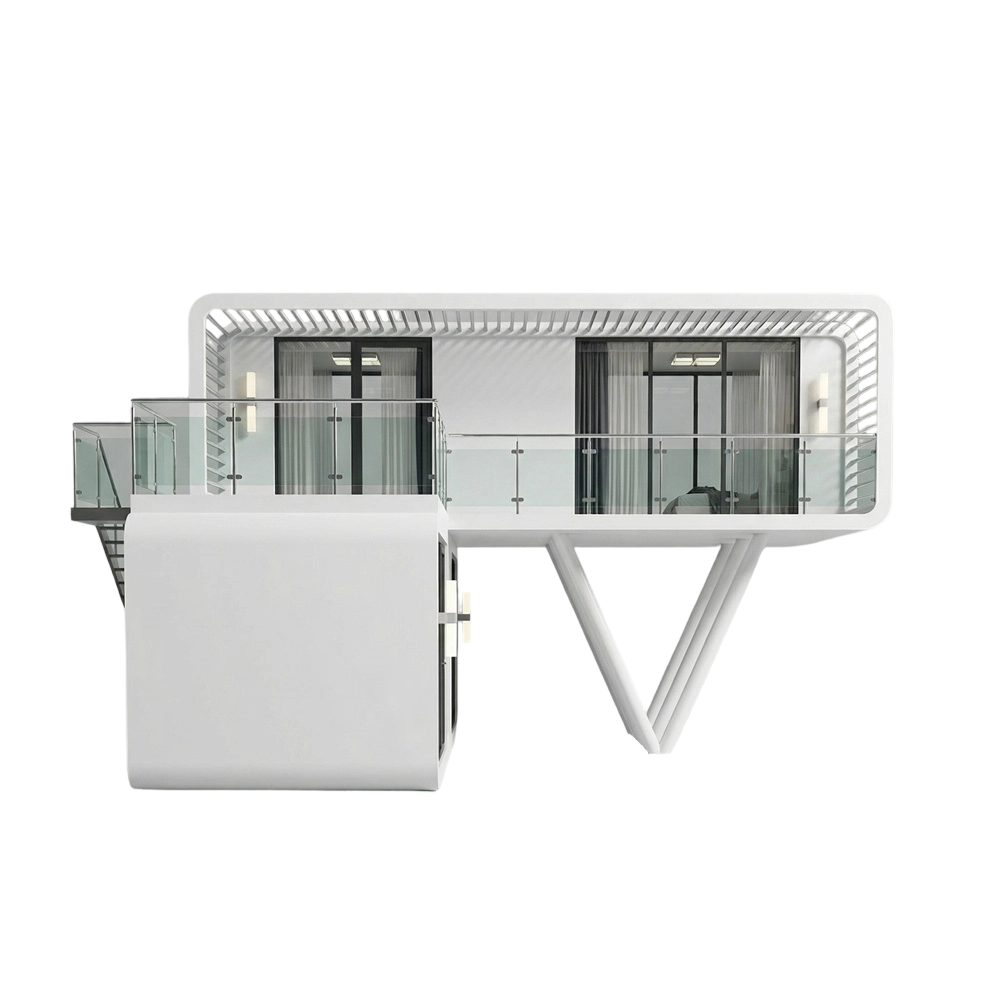
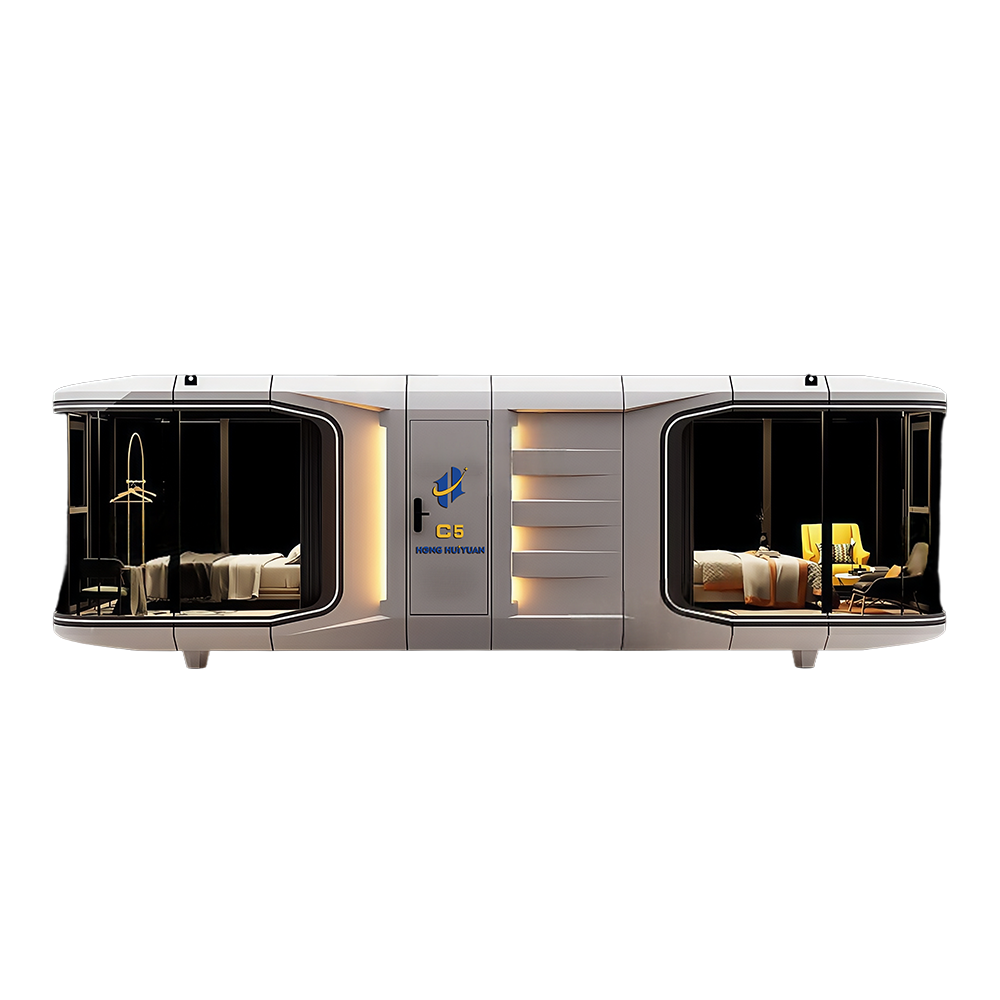
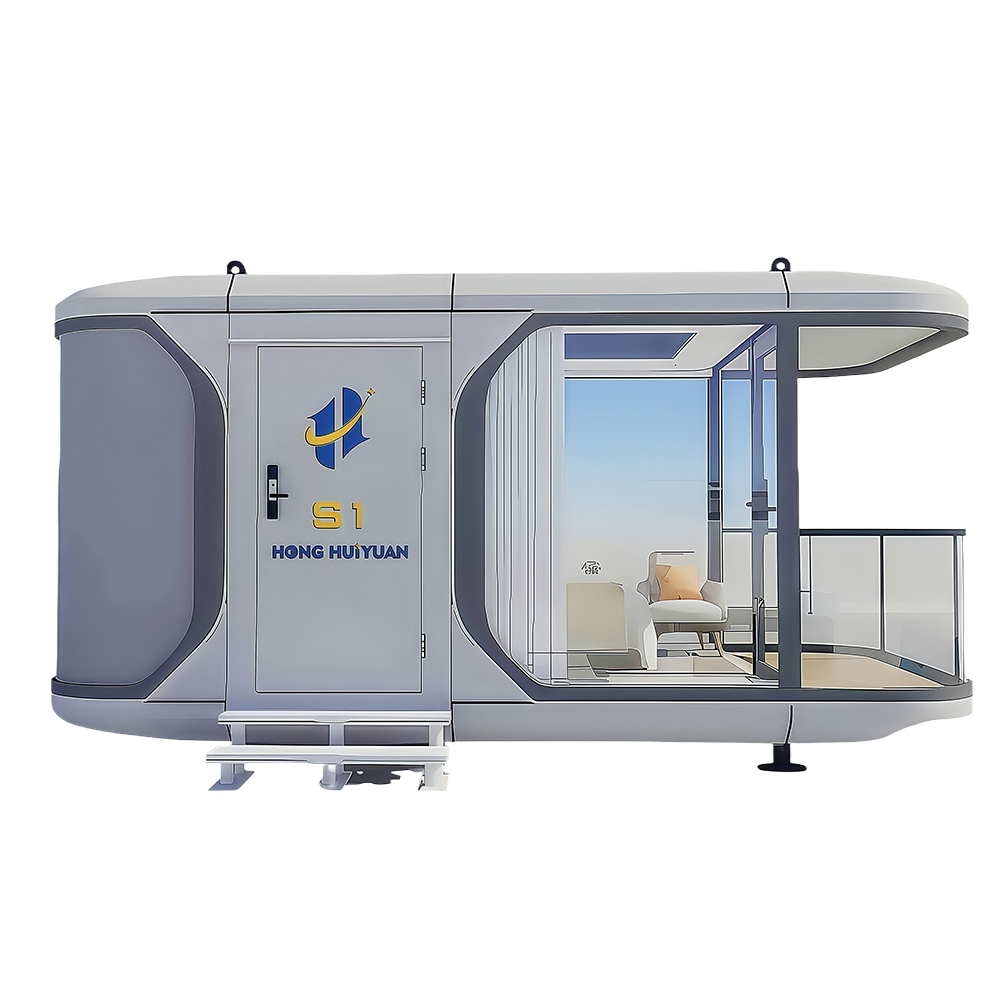
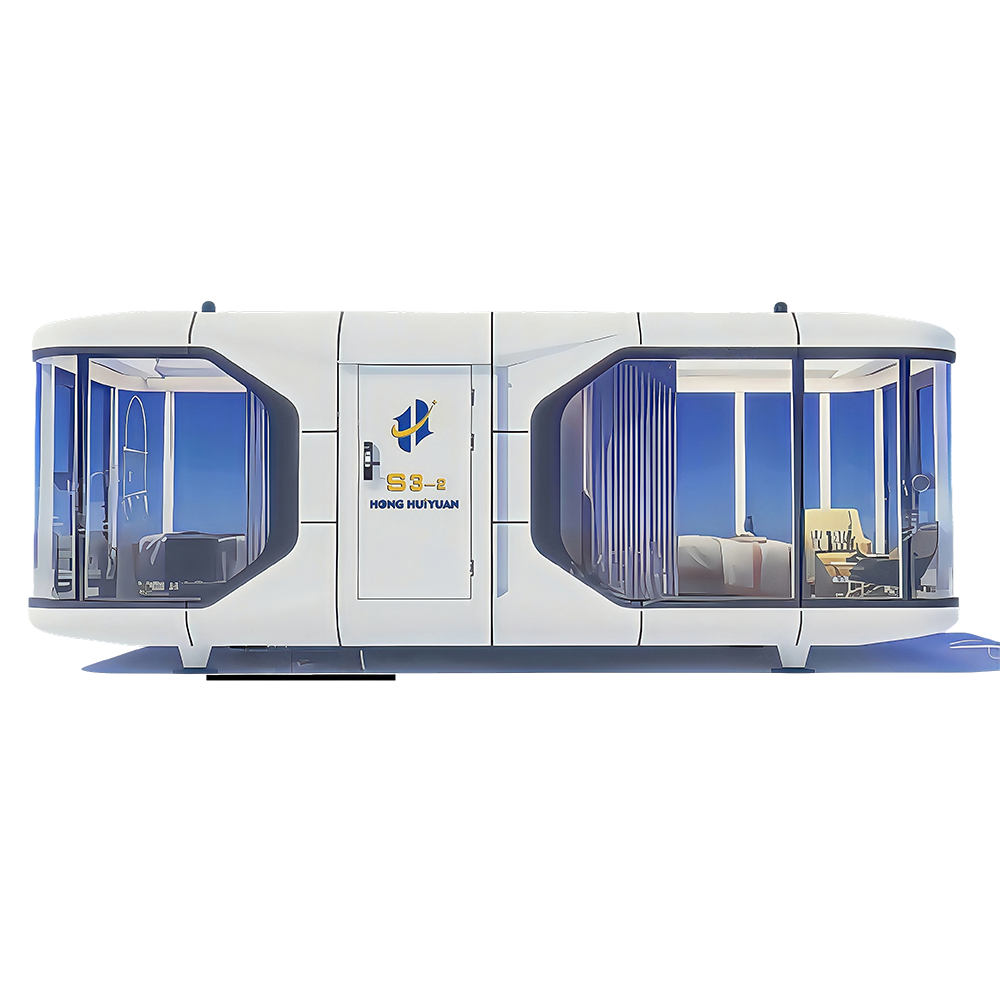
An office capsule cabin is a self‑contained, sound‑insulated pod designed to create a private, quiet workspace inside an open‑plan office. It answers the single biggest complaint of modern workplaces: noise. Studies from the University of Sydney found that 50% of open‑plan workers are dissatisfied with sound privacy, and the constant interruption can reduce productivity by up to 30%. By placing a fully enclosed, ventilated booth right on the office floor, companies give employees an instant escape for focused work, calls, or virtual meetings — without the cost of building permanent walls. Understanding what is an office capsule cabin and how it functions is the first step to reclaiming concentration in a busy office.
A what is a soundproof office booth is a close cousin of the office pod. Both are prefabricated, enclosed structures, typically measuring between 1.2 and 3.0 square meters at the base. The key distinction is purpose: a booth is usually optimized for one‑person phone or video calls and has an interior space just large enough for a seat and a small desk. An office capsule cabin is often slightly larger, designed to accommodate a full sit‑stand desk, a comfortable chair, and sometimes even a visitor chair, making it suitable for hours of deep work.
These pods are constructed from modular steel or aluminum frames with multi‑layer wall panels that consist of acoustic foam, dense mass‑loaded vinyl, and a perforated inner liner. The door is sealed with automotive‑grade gaskets, and ventilation is provided by a near‑silent fan system that exchanges the entire air volume of the pod approximately 6 to 10 times per hour. Lighting, power outlets, and data ports are fully integrated, meaning the pod arrives ready to use and is simply plugged into a standard wall socket. Because it is not a permanent structure, it can be moved or reconfigured as the office layout evolves.
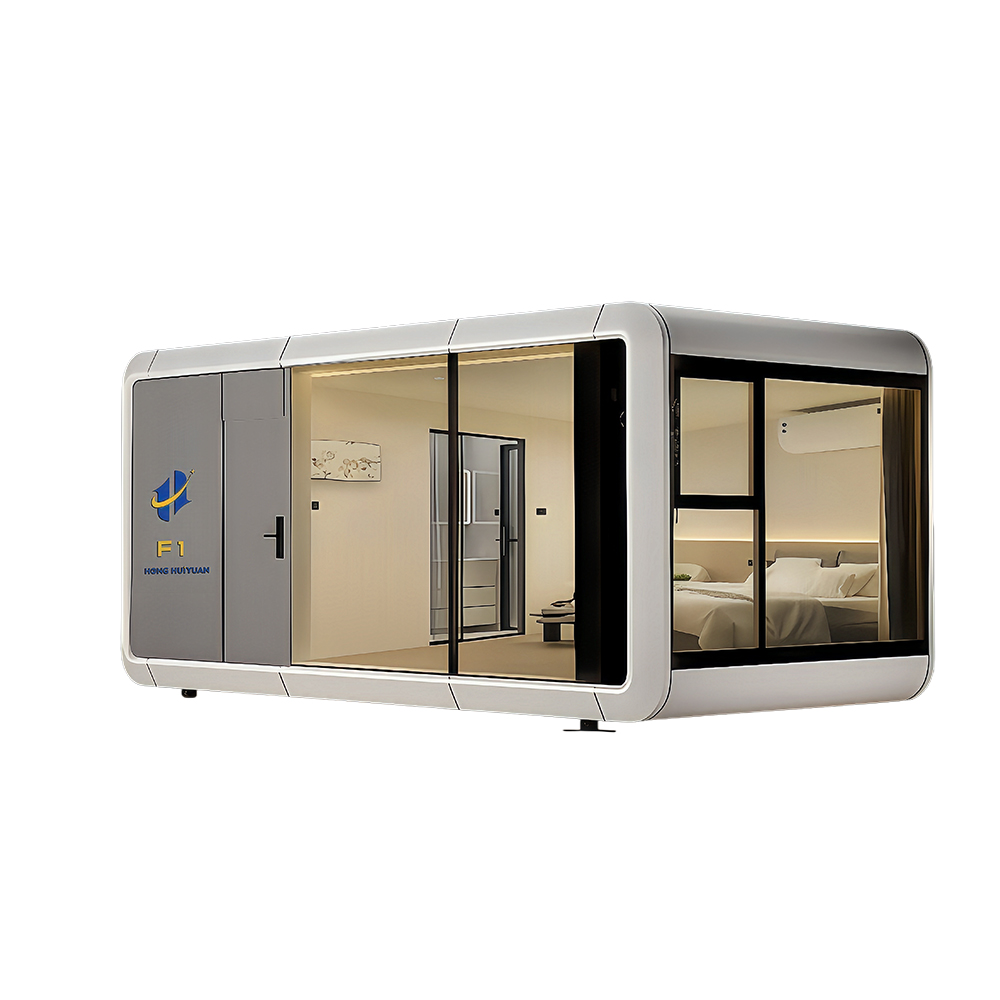
Understanding how does an office pod work reveals the engineering that makes the silence possible. The pod does not simply block sound; it absorbs, dampens, and decouples it. When you close the door, the pod becomes an acoustically isolated room within a room. The materials work on two fronts: external noise is prevented from entering, and internal noise — your voice — is prevented from leaking out and disturbing colleagues.
Ventilation is the critical secondary system. Without active airflow, a sealed pod would become stuffy and uncomfortable within minutes. Low‑speed, ducted fans push fresh air in through ceiling vents and draw used air out through a separate return path. The fan noise is typically below 30 dB(A), quieter than a whisper, so it does not compromise the acoustic seal. A thermal sensor can adjust fan speed automatically to maintain a stable temperature when the pod is occupied. This combination of acoustic isolation and silent fresh air is what makes an office pod feel completely different from a simple furniture partition.
The process by which how do acoustic office pods reduce noise is measured by the Sound Transmission Class (STC) rating. A typical glass partition in an office has an STC rating of around 30–35, which means normal speech is still clearly intelligible from the other side. A premium office pod achieves an STC rating of 35–45, or even higher with double‑glazed acoustic glass. At STC 40, loud speech becomes muffled and mostly unintelligible outside the pod; inside, the background chatter of an open office drops to a barely perceptible hum.
This happens through a combination of four layers in the wall panel: an outer hard shell reflects incident sound, a layer of high‑density acoustic barrier material adds mass to block transmission, an absorbent core of polyester or rockwool traps sound energy and converts it to negligible heat, and a perforated inner face allows remaining sound to enter the absorber without reflecting back into the pod. The same principle applies to the floor and ceiling, which are also insulated. The door is often double‑sealed and closes with a gentle cam‑lock that compresses the gasket evenly, preventing sound leaks at the edge. This layered approach can reduce perceived noise levels by up to 30 decibels, which subjectively feels like an 85–90% reduction in loudness.
The benefits of office pods go beyond noise reduction. They directly address the core challenges of the open‑plan office: the need for privacy, the difficulty of concentrating, and the lack of spaces for confidential conversations. The case for why use an office capsule in the workplace is supported by measurable gains in productivity and employee satisfaction.
Beyond installing a pod, the broader question of how to improve privacy in open offices and how to create a quiet workspace in an office involves a combination of spatial planning, acoustic treatment, and behavioral protocols. Sound‑masking systems emit a soft, engineered background sound that raises the ambient noise floor, making speech less intelligible at a distance. Ceiling baffles and wall panels absorb reverberation, reducing overall clamor by 4–6 dB.
However, these treatments do not create a completely private space. Only a physical enclosure, like an office pod, achieves that. Zoning strategies are effective: designate certain areas of the office as “quiet zones” where phone calls and loud conversations are prohibited, and locate pods strategically at the edges of noisy zones to serve as escape points. Combining a soundproof office booth with clear office etiquette — such as using pods for all calls over five minutes — transforms a chaotic open floor into a manageable acoustic landscape. Surveys indicate that offices that implement both a quiet zone policy and provide pods see a 40% reduction in noise complaints within the first quarter.
The decision of how to choose an office pod must be driven by the primary use case, the number of users, and the available floor space. The following table maps the key considerations that answer what to consider when buying an office pod.
| Criterion | What to Look For | Why It Matters |
|---|---|---|
| Acoustic performance | STC rating of 35+, confirmed by independent lab tests | Ensures speech privacy and noise isolation |
| Ventilation | Silent fans with air exchange rate of 6–10 cycles per hour | Prevents stuffiness and CO₂ buildup in a sealed space |
| Size and capacity | 1‑person phone booth (1.2 m²) to 4‑person meeting pod | Must match intended use and available footprint |
| Electrical and data integration | Pre‑wired power outlets, USB ports, and Ethernet jacks | Enables plug‑and‑play use without trailing cables |
| Lighting and controls | Adjustable LED with occupancy sensor and task light | Reduces eye strain and indicates occupancy |
| Mobility and assembly | Tool‑free assembly, can be disassembled and moved | Protects the investment when office layout changes |
When evaluating options, request a demo pod to test for at least a full workday. Pay attention to how the air feels after an hour of occupancy, whether you can hear a nearby conversation from outside, and how intuitive the lighting and ventilation controls are. A pod that is difficult to ventilate or has a confusing booking system will be underused, negating its purpose. With a methodical assessment of these criteria, the office pod you choose will become a heavily utilized asset that demonstrably lifts concentration, privacy, and workplace satisfaction.

 Contact Us
+86-137 5820 5685
+86-571 8550 0659
 Send An E-mail
Building 4, No. 2, Shuyun Road, Yuhang District, Hangzhou City, Zhejiang Province, China
 Mobile

 English
 Español
 عربى
عربى