2026.08.10
Content
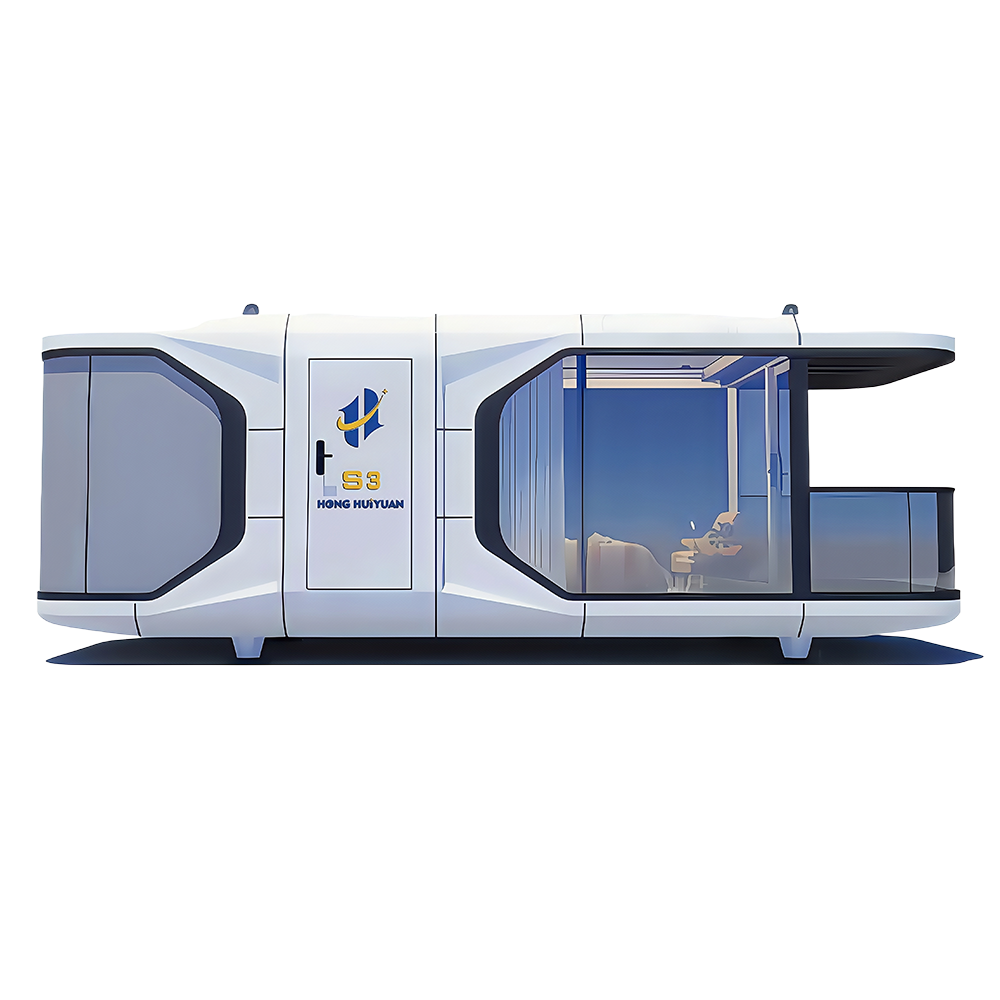
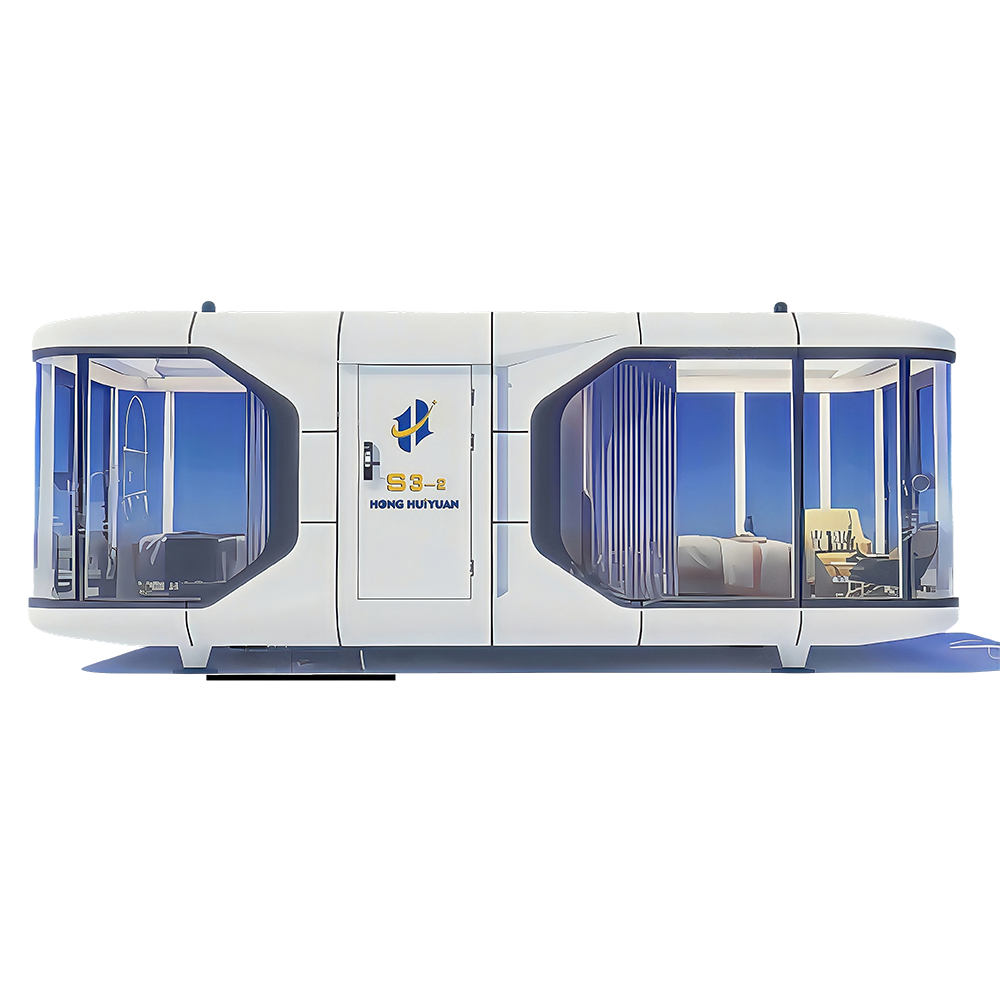
Modular cabins are manufactured largely off-site in a controlled factory environment and then transported and assembled on location, while traditional hotel construction builds the structure entirely on-site from the foundation up. This fundamental difference in build sequence drives most of the practical distinctions between the two approaches — timeline, quality consistency, site disruption, and often cost structure all trace back to how much of the building process happens in a factory versus on the actual site.
Traditional construction offers more design flexibility for fully custom, architecturally unique structures, since the building isn't constrained by transportable module dimensions or factory production processes. Modular construction trades some of that flexibility for speed, quality consistency, and reduced on-site disruption — a trade-off that particularly favors resort and tourism projects where multiple similar units need to be deployed relatively quickly across a site.
| Factor | Modular Cabin | Traditional Building |
|---|---|---|
| Construction location | Primarily factory-built, assembled on-site | Built entirely on-site |
| Timeline | Significantly faster, factory and site work can overlap | Longer, largely sequential on-site process |
| Quality consistency | High, controlled factory conditions and processes | More variable, dependent on site conditions and labor |
| Site disruption | Minimal, limited mainly to foundation and assembly | Extensive, throughout the full construction period |
| Design flexibility | More limited, based on module configurations | Highly flexible, fully custom architecture possible |
Resort development specifically benefits from modular construction because resort projects often need to deploy multiple accommodation units relatively quickly to reach revenue-generating operation, while also minimizing the extended construction disruption that would otherwise affect the natural or scenic setting the resort is built around. Faster deployment means faster time to revenue, a meaningful financial consideration for resort developers weighing construction financing costs against how quickly the property can begin generating booking revenue.
Beyond speed, resorts also benefit from the quality consistency modular construction provides across multiple units — guests moving between different cabins or returning for repeat stays experience the same build quality and finish level throughout the property, an important factor for maintaining consistent guest satisfaction and brand reputation across a multi-unit resort development.
Installation timelines vary based on cabin size, site preparation requirements, and the number of units being deployed, but a single modular cabin can often be assembled and made ready for use within days to a few weeks once it arrives on-site — a dramatic reduction compared to the months typically required for equivalent traditional construction. The bulk of the actual manufacturing time happens in parallel with site preparation, since the factory build process runs concurrently with foundation work, utility rough-in, and other site preparation activities, rather than waiting for site work to complete before construction begins, as traditional building sequencing typically requires.
Multi-unit projects compress even further
For resort projects deploying many units, the parallel manufacturing and site preparation advantage compounds — while individual units continue arriving and being installed, site crews can simultaneously prepare foundations for subsequent units, allowing a phased rollout that would be far more difficult to achieve with sequential traditional construction of each building.
Modular cabins are well suited to tourism projects specifically because tourism development often involves exactly the conditions where modular construction's advantages matter most: remote or environmentally sensitive sites where minimizing construction disruption is valuable, project timelines where faster deployment supports earlier revenue generation, and a need for multiple consistent units rather than a single custom structure. The combination of speed, quality consistency, and reduced site impact addresses several of tourism development's most common practical challenges simultaneously, which is why modular and prefabricated construction has become increasingly standard across glamping, eco-tourism, and resort accommodation projects specifically.
The core time savings in modular construction come from parallel processing — factory manufacturing of the cabin structure happens simultaneously with on-site foundation and utility preparation, rather than the sequential process traditional construction requires, where site work must largely complete before the building itself can be constructed. Factory conditions also eliminate weather-related construction delays that regularly affect traditional on-site building, since the actual structural assembly happens indoors under controlled conditions, insulated from the rain, extreme temperatures, or other weather events that commonly extend traditional construction timelines.
Standardized, repeatable factory processes also reduce the time lost to on-site problem-solving and coordination between trades that traditional construction often involves, since much of the fit-out work — electrical, plumbing, interior finishes — happens in a controlled, efficient factory sequence before the unit ever reaches the site, leaving primarily assembly and final utility connection work to be completed on location.
This comparison mirrors the broader modular-vs-traditional construction distinction, applied specifically to smaller cabin-scale structures rather than larger buildings. Prefab cabins offer the same core advantages of speed, consistency, and reduced site disruption that apply to modular construction generally, while traditional site-built cabins offer more design customization and, in some cases, a construction approach more familiar to local building trades and permitting authorities, depending on the specific region and its regulatory framework around modular versus traditional construction.
Hotels and resorts adopting modular accommodation strategies typically do so as part of a broader development approach prioritizing speed to market, consistent guest experience across multiple units, and often a specific design aesthetic that factory-built modular units can deliver reliably at scale. Modular accommodation works particularly well for phased development, where a property can open with an initial set of units and add additional accommodation over time as demand grows, without the extended construction disruption that adding traditional buildings to an operating property would create for existing guests.

 Contact Us
+86-137 5820 5685
+86-571 8550 0659
 Send An E-mail
Building 4, No. 2, Shuyun Road, Yuhang District, Hangzhou City, Zhejiang Province, China
 Mobile

 English
 Español
 عربى
عربى