2026.06.12
Content
A 1,200 square foot modular home hits the practical sweet spot for small families, downsizers, and first-time buyers who want a full-featured layout without the overhead of a larger build. At this footprint, most floor plans comfortably accommodate two to three bedrooms, two bathrooms, an open-concept living and dining area, and a functional kitchen — all within a budget that typically runs $90,000 to $180,000 before site work, depending on region and finish level.
Unlike site-built homes, modular construction completes 80–90% of the framing, insulation, and mechanical rough-in inside a climate-controlled factory. This dramatically reduces weather delays and shortens the on-site construction window to as little as three to five months from order to move-in — compared to nine to twelve months for equivalent stick-built homes.
Key layout considerations at 1,200 sq ft:
Most manufacturers offer 1,200 sq ft plans as either single-section (singlewide) or two-section (doublewide) configurations. Two-section builds tend to deliver better proportions — wider rooms, more natural hallway flow — and are generally preferable for permanent foundations.
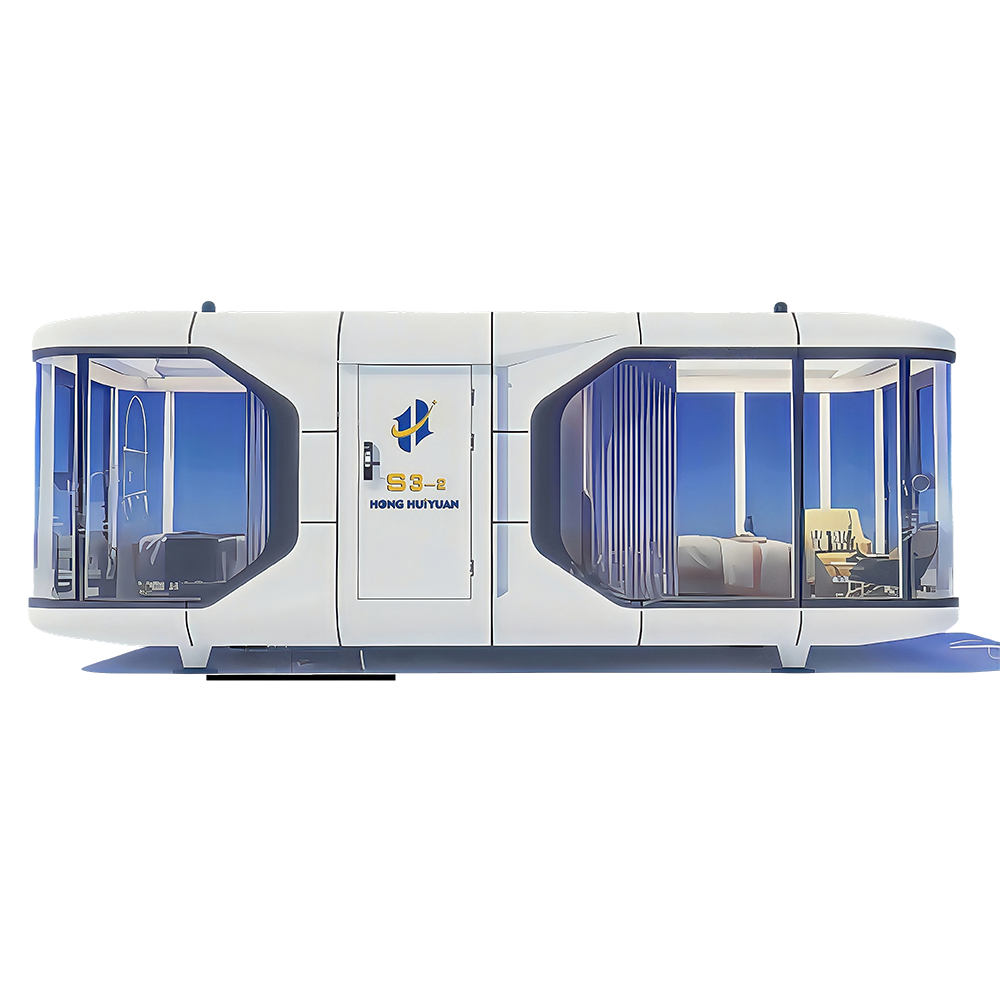
Yes — modular homes consistently outperform comparable site-built homes on energy efficiency, and the gap has widened as factory construction methods have improved. The primary driver is build precision: factory assembly eliminates the gaps, misaligned framing, and compressed insulation that routinely occur during outdoor, sequence-dependent site construction.
| Energy Factor | Modular Home | Typical Site-Built Home |
|---|---|---|
| Wall insulation (standard) | R-19 to R-21 | R-13 to R-15 |
| Air leakage (ACH50) | 2.0–3.5 | 5.0–7.0 |
| ENERGY STAR eligibility | Standard on many models | Optional upgrade |
| Annual HVAC savings vs. median home | 15–30% | Baseline |
Several structural advantages contribute directly to these numbers:
Buyers pursuing the highest efficiency levels can specify Passive House-aligned packages from select manufacturers, achieving heating demand below 15 kWh/m²/year — performance formerly reserved for custom high-performance builds at three times the cost.
Ranch-style modular homes — single-story, horizontally oriented plans — account for the majority of modular builds in the United States, and for good reason. Single-story living eliminates stair accessibility concerns, simplifies HVAC zoning, and reduces long-term maintenance complexity. For rural and suburban lots with adequate frontage, ranch plans are also the most cost-efficient shape to set and finish.
Common ranch modular configurations by size:
Key design considerations specific to ranch modular plans:
Most manufacturers publish downloadable floor plans with multiple elevation options. Request CAD files or PDF plan sets early in the process — they are essential for permitting, foundation engineering, and utility rough-in coordination.
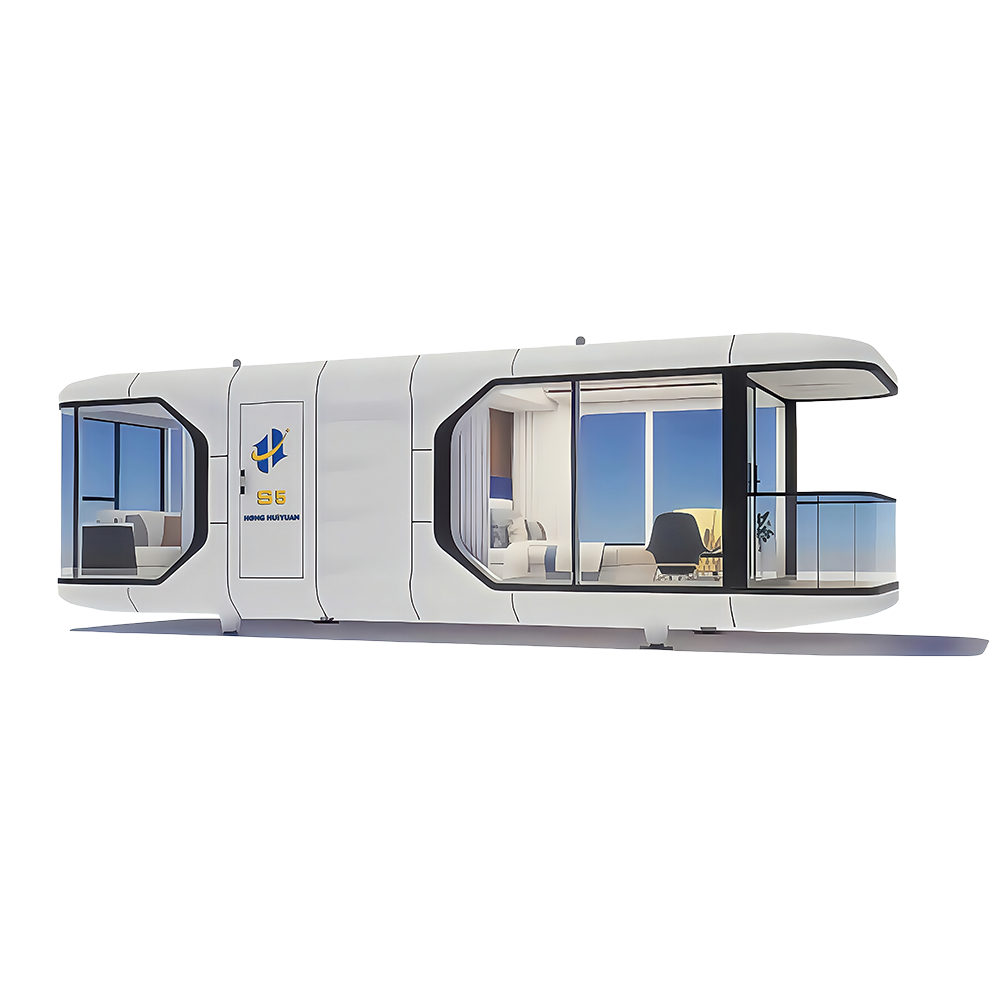
The 500 sq ft prefab house sits at the intersection of the tiny home movement and mainstream modular construction — compact enough to minimize land and utility costs, but engineered to full residential code rather than the looser standards governing RVs or park models. At this scale, the factory-built advantage is most pronounced: precision matters more in a small space, and even minor framing or insulation defects have an outsized impact on comfort.
Typical 500 sq ft prefab configurations include:
Pricing for a 500 sq ft prefab house — excluding land, site prep, and utility connections — typically runs $45,000 to $95,000 depending on specification level. Turnkey installed costs including foundation and utilities range from $80,000 to $160,000 in most U.S. markets.
Design strategies that maximize livability at 500 sq ft:
Zoning remains the primary constraint for 500 sq ft prefab deployment. Minimum square footage requirements vary widely by municipality — some jurisdictions set floors as high as 800–1,000 sq ft for primary residences. Confirming local zoning and HCD (Housing and Community Development) compliance before selecting a plan saves significant redesign cost downstream.

 Contact Us
+86-137 5820 5685
+86-571 8550 0659
 Send An E-mail
Building 4, No. 2, Shuyun Road, Yuhang District, Hangzhou City, Zhejiang Province, China
 Mobile

 English
 Español
 عربى
عربى