2026.06.02
Content
These terms are often used interchangeably, but they refer to different types of factory-built housing — and the distinctions affect price, financing, permanency, and resale value.
Understanding which category a home falls into matters because it directly affects what you pay, how you finance it, and what it's worth at resale.
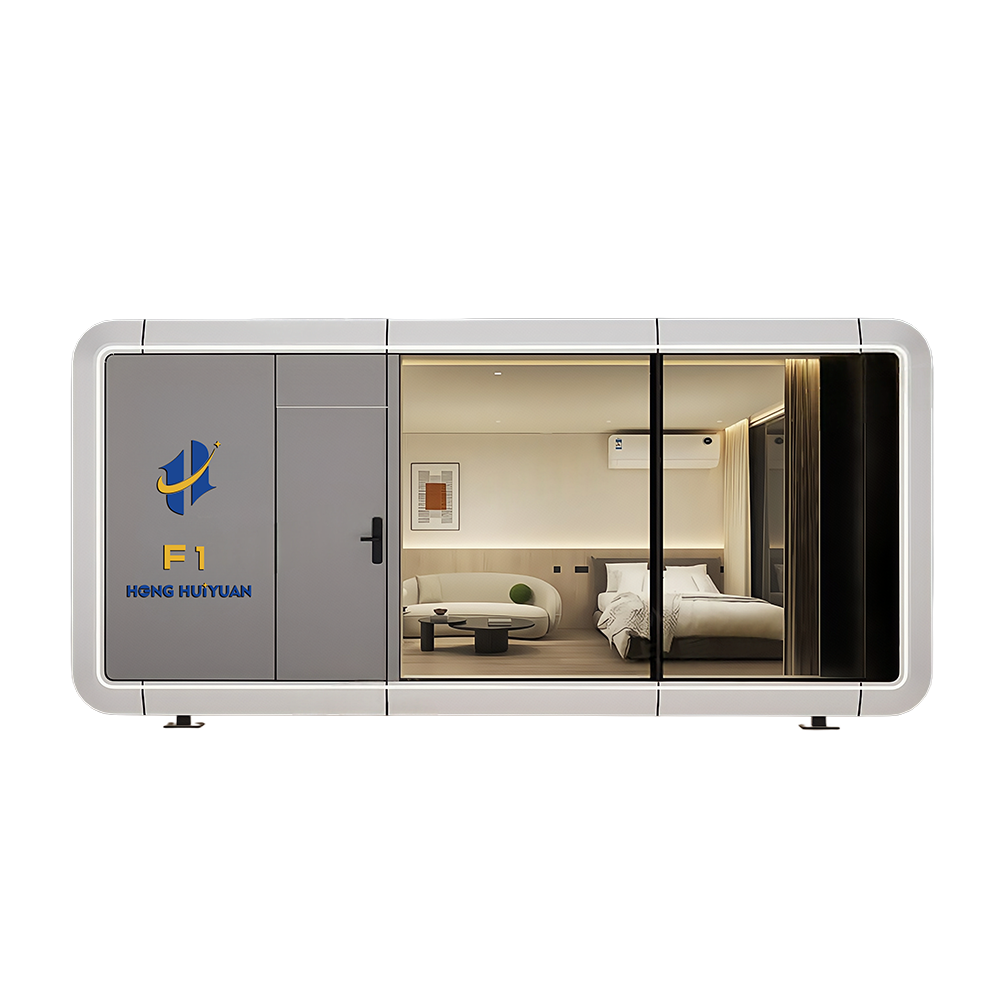
Modular and prefab homes cost $100–$200 per square foot for the base home price, depending on design complexity, finish level, and manufacturer. That figure covers factory construction and delivery — it does not include land, site preparation, foundation, or utility connections, which add substantially to the total.
For a 1,200 sq ft modular home, expect to pay:
Compared to traditional site-built construction — which averages $150–$300+ per sq ft depending on the region — modular construction typically saves 10–20% on total build cost, primarily because factory assembly reduces weather delays, material waste, and labor overhead.
Manufactured homes (mobile homes) are significantly more affordable than modular homes at the base price level. Here is what buyers typically pay in 2024–2025:
| Home Type | Typical Size | Base Price Range | All-In Installed Est. |
|---|---|---|---|
| Single Wide | 600–1,300 sq ft | $40,000–$90,000 | $60,000–$130,000 |
| Double Wide | 1,000–2,200 sq ft | $80,000–$160,000 | $110,000–$220,000 |
| Triple Wide | 1,800–3,500 sq ft | $130,000–$250,000 | $170,000–$320,000 |
| Modular (1,200 sq ft) | 1,200 sq ft | $120,000–$240,000 | $165,000–$370,000 |
A new double wide trailer in the $80,000–$160,000 base range will typically include 3 bedrooms, 2 bathrooms, an open-plan kitchen and living area, and standard appliances. Premium packages with upgraded cabinetry, flooring, and energy-efficient windows push prices toward the top of that range.
A triple wide mobile home offers comparable square footage to a mid-size site-built home — often 2,000–3,000 sq ft — at a fraction of the construction cost. The trade-off is that manufactured homes historically appreciate more slowly than modular or site-built homes, particularly when sited in a leased-land community rather than on owned land.
Several variables account for the wide price ranges quoted above. Understanding them helps buyers set realistic budgets and avoid surprises.
Open floor plans with fewer exterior corners are the most cost-efficient to build. Complex rooflines, vaulted ceilings, and custom architectural details add $10–$30 per sq ft to the factory price. Larger homes also benefit from economies of scale — cost per square foot tends to drop as total size increases past 1,500 sq ft.
Site work is the most unpredictable cost category. Flat lots with good soil conditions, existing utility access, and easy crane access represent the low end of site costs. Rocky terrain, poor drainage, steep slopes, or remote locations can add $20,000–$60,000 or more to the project. Buyers in high-cost states (California, New York, Massachusetts) also face higher contractor labor rates for the on-site completion work.
Modular homes require a permanent foundation — crawl space, basement, or concrete slab — costing $8,000–$30,000 depending on type and local labor. Manufactured homes can be set on pier-and-beam systems or tied down to ground anchors at much lower cost ($2,000–$6,000), though this affects how the home is classified and financed.
Manufacturers typically offer Standard, Deluxe, and Premium tiers. Moving from standard to premium finishes — hardwood floors, granite countertops, upgraded appliances, enhanced insulation packages — commonly adds $15,000–$50,000 to the base price of a double-wide or modular home.
The purchase process for a modular or prefab home differs from buying an existing home. Here is the typical sequence:
Total timeline from deposit to move-in typically runs 6–12 months for modular homes and 3–6 months for manufactured homes, assuming no permitting delays.
For most buyers, the financial case for modular construction is solid. Factory-built homes deliver comparable quality to site-built construction at 10–20% lower total cost, primarily because controlled factory environments reduce material waste, weather-related delays, and labor inefficiencies. Structural quality is generally high — modules must survive transportation stress, which requires tight tolerances that site-built framing does not always meet.
The main trade-off is design flexibility. While modular manufacturers now offer hundreds of floor plans and customization options, fully custom architecture is still easier to achieve through traditional construction. Buyers who need an unusual lot shape, a highly custom design, or very large footprints (above 4,000 sq ft) may find the site-built route more practical.
Manufactured homes offer the lowest entry price in the factory-built category, but buyers should factor in land tenure: a double wide on leased land in a mobile home park will not appreciate like a modular home on owned land. If long-term wealth building matters, owning the land the home sits on makes a significant difference in the investment outcome.

 Contact Us
+86-137 5820 5685
+86-571 8550 0659
 Send An E-mail
Building 4, No. 2, Shuyun Road, Yuhang District, Hangzhou City, Zhejiang Province, China
 Mobile

 English
 Español
 عربى
عربى