2026.04.22
Content
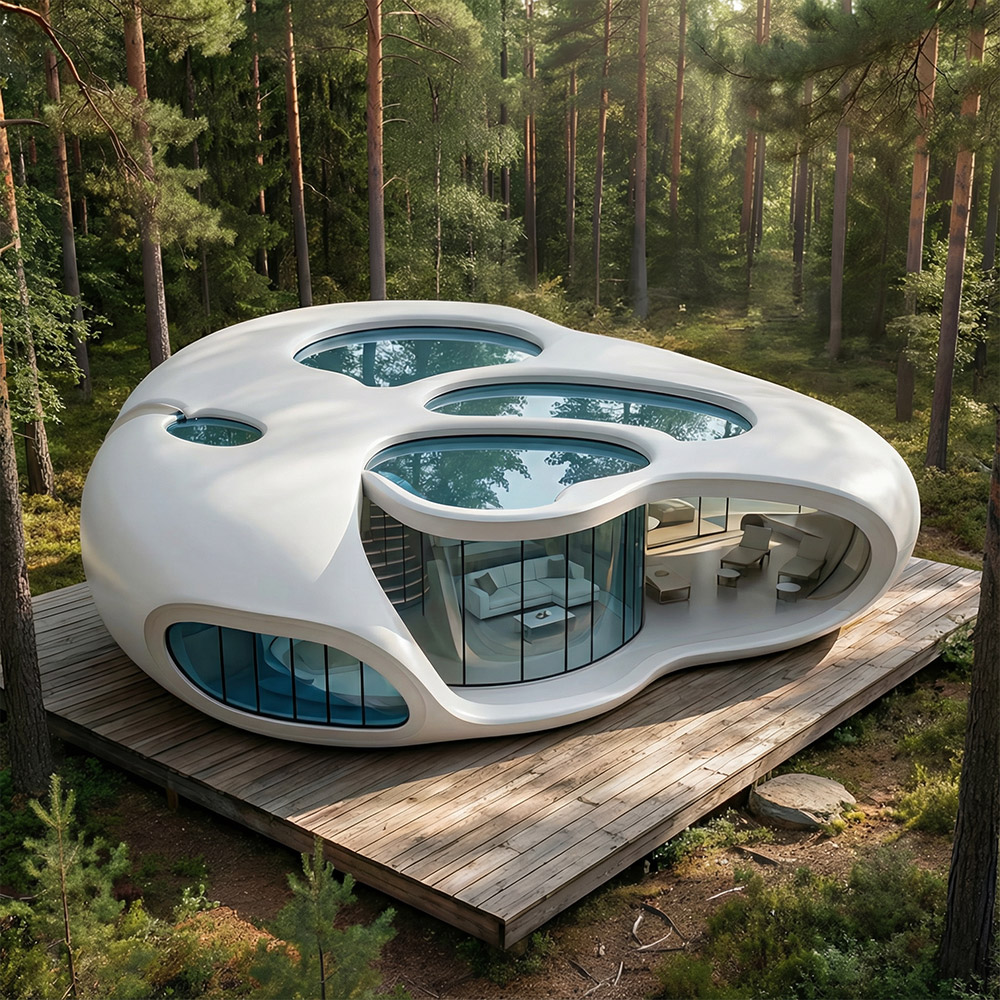
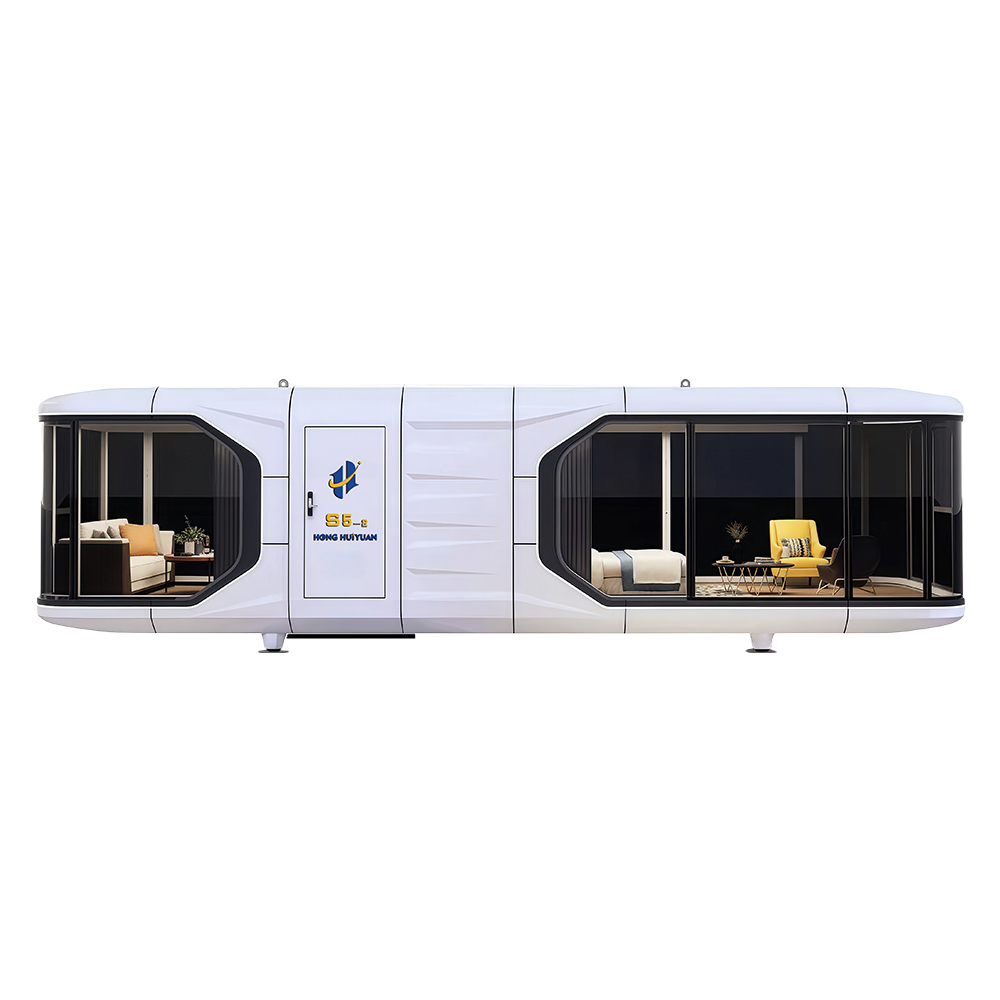
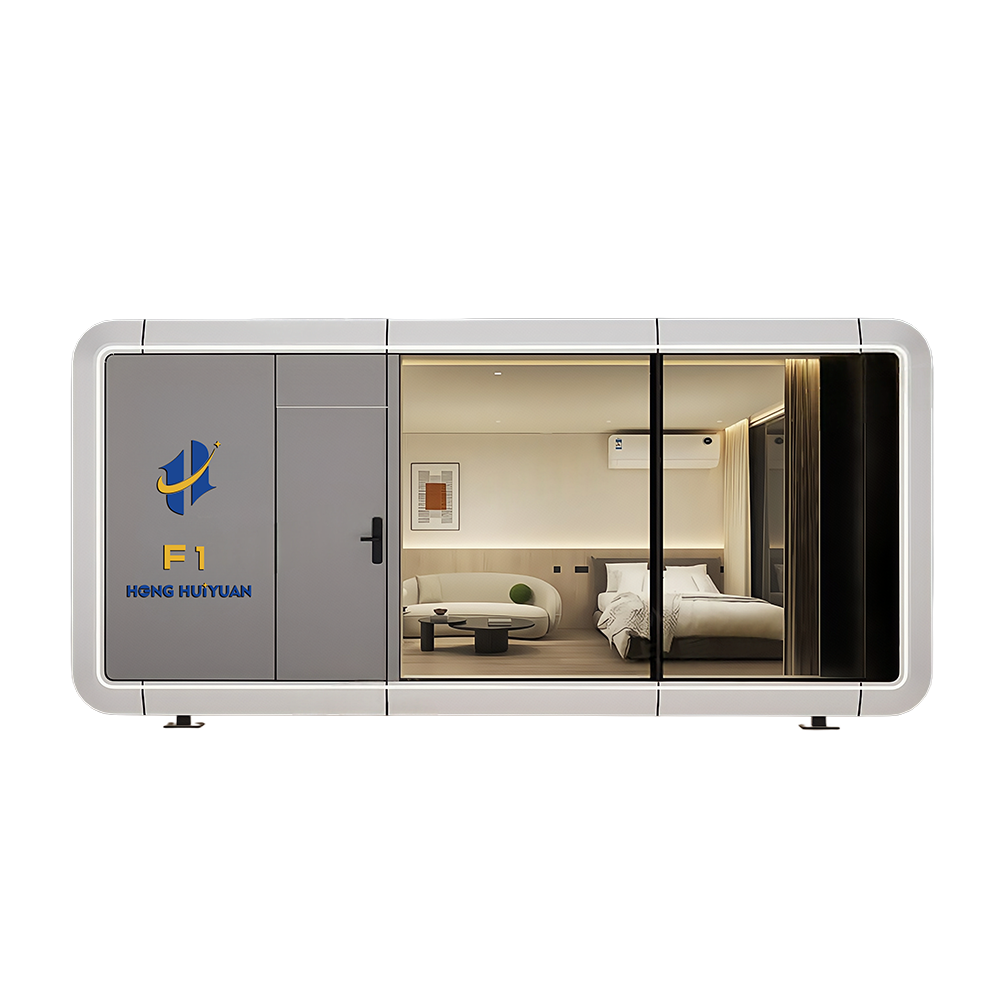
An apple cabin house is a compact, oval or rounded prefabricated dwelling unit whose distinctive silhouette—wider at the midsection and tapered at both ends—resembles the cross-section of an apple. Originally popularized in Scandinavian glamping resorts, the form has since spread across eco-tourism projects, rural retreats, and residential backyards worldwide. The shape is not purely aesthetic: the curved geometry distributes wind and snow loads more evenly than a flat-roofed box, which gives the structure a structural efficiency that translates into longer service life with less maintenance.
Standard apple cabins range from 15 m² to 40 m² of usable floor area. Most units ship as a single module—foundation anchors, wall panels, glazing, and roofing pre-assembled at the factory—and can be installed on a prepared pad in one to two days. That compressed site timeline is one of the strongest reasons operators in the hospitality sector favor the format over site-built alternatives that can take weeks to erect in remote locations.
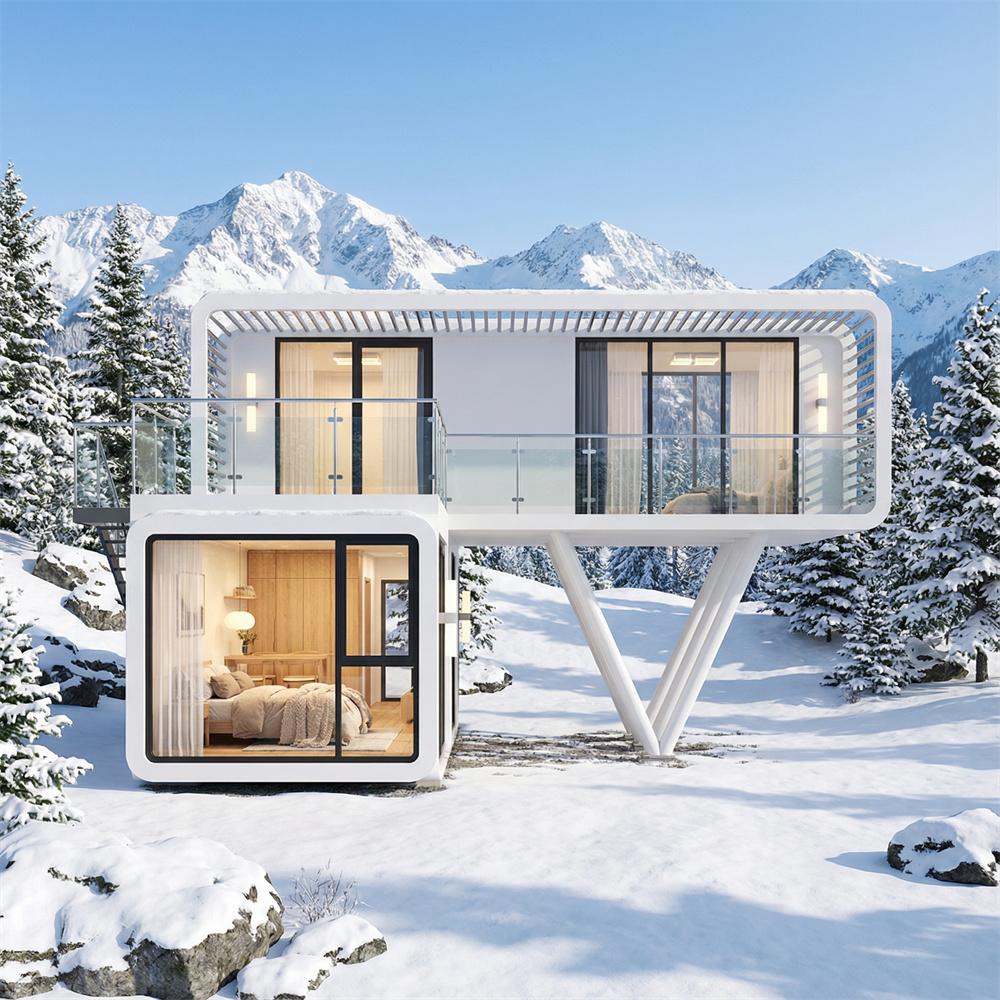
Several design elements consistently appear across apple cabin models, regardless of manufacturer:
These features collectively position the apple cabin as a premium product in the glamping and eco-resort market, where guests expect hotel-grade comfort alongside an immersive outdoor experience.
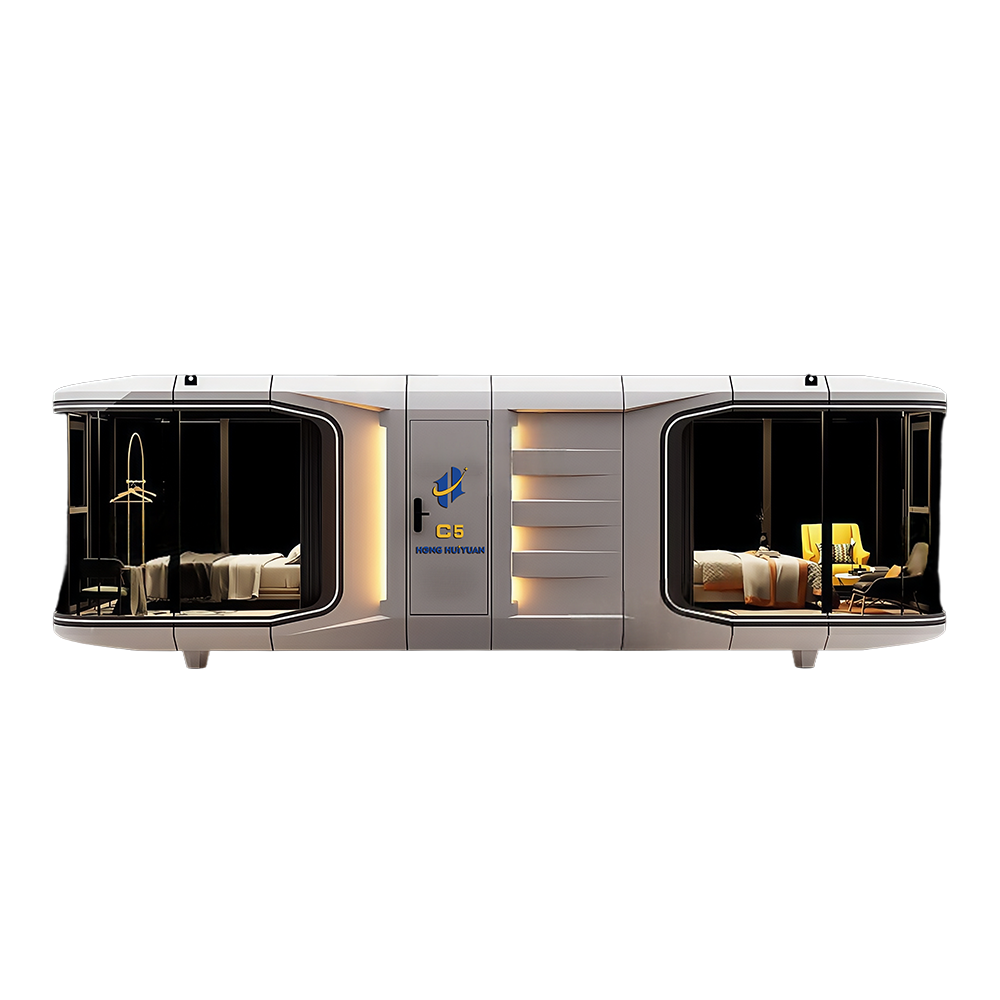
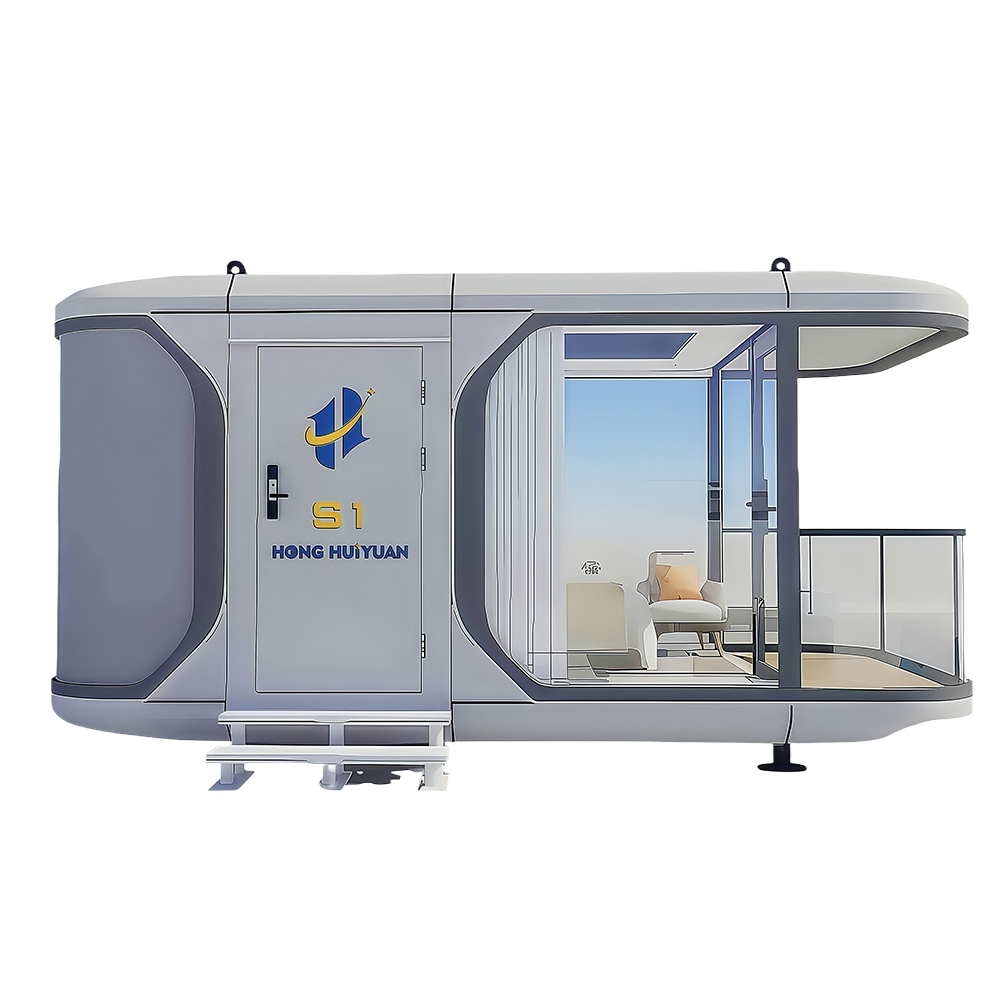
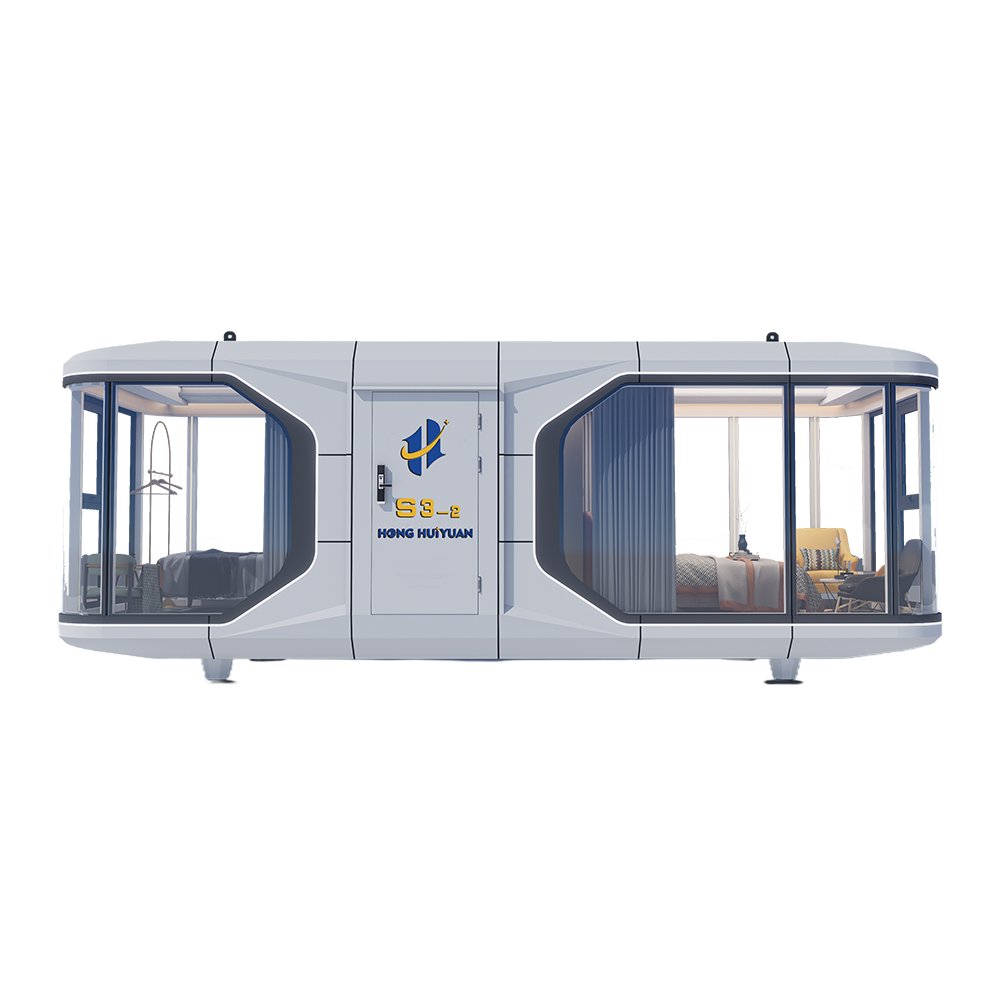
A customized apple cabin container house takes the core apple-cabin concept and builds it on a modified ISO shipping container chassis—most commonly a 20-foot or 40-foot base. The container substructure provides a certified, stackable, and globally transportable foundation. The curved upper shell is then fabricated and mounted at the factory, resulting in a hybrid unit that combines structural steel rigidity with the distinctive aesthetic of the apple cabin form.
Customization typically operates across four layers:
Lead times for a customized unit generally run 25–45 days from order confirmation to factory dispatch, depending on finish complexity and the manufacturer's production queue.
Buyers evaluating the apple cabin container format often weigh it against a conventional flat-top container house. The table below summarizes the principal differences:
| Feature | Apple Cabin Container House | Standard Flat-Top Container House |
|---|---|---|
| Aesthetic Appeal | High — curved form stands out in natural settings | Moderate — industrial look requires landscaping to soften |
| Structural Wind Resistance | Excellent — curved profile deflects lateral loads | Good — flat surfaces create more drag |
| Usable Floor Area | Slightly lower due to curved walls narrowing corners | Higher — full rectangular footprint |
| Stacking / Modular Expansion | Limited — curved roof restricts vertical stacking | Excellent — ISO corners enable multi-story stacking |
| Unit Cost (relative) | Higher — fabrication of curved shell adds cost | Lower — simpler geometry, less fabrication labor |
| Guest Rental Premium | 15–30% higher nightly rate in comparable locations | Baseline rental rate |
The rental premium data point is significant for hospitality investors. Independent glamping market studies consistently find that units with strong visual identities—treehouses, domes, and apple cabins among them—command meaningfully higher nightly rates than generic rectangular cabins of equivalent size on the same property.
Apple cabin container houses are deployed across a wider range of project types than their glamping-resort origins might suggest:
Procurement decisions for apple cabin container houses involve more variables than a standard manufactured product. The following criteria separate reliable suppliers from those likely to create problems during delivery or permitting:
Pricing for a fully specified customized apple cabin container house—including interior fit-out, glazing, and mechanical systems but excluding foundation and site utilities—typically falls in the USD $18,000–$45,000 per unit range depending on size, finish level, and order volume. Volume discounts of 8–15% are common for orders of ten or more units placed simultaneously.

 Contact Us
+86-137 5820 5685
+86-571 8550 0659
 Send An E-mail
Building 4, No. 2, Shuyun Road, Yuhang District, Hangzhou City, Zhejiang Province, China
 Mobile

 English
 Español
 عربى
عربى